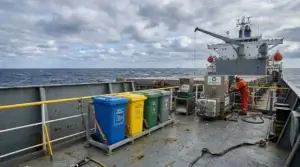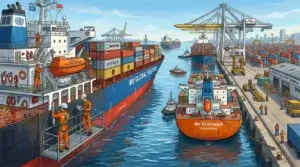
Learning basic maritime skills opens the doors to all sorts of adventures on and around the water. These skills are the backbone of safe, enjoyable times on boats, ships, or even while working near the dock. As someone who grew up near a large lake and spent plenty of time on small boats, I found that knowing the right knots or how to read the weather could make the difference between a great day and a stressful one. In this guide, I’m sharing the core skills and concepts that helped me and will help you feel confident and prepared on the water, whether you’re starting out for fun or considering a future in maritime work.
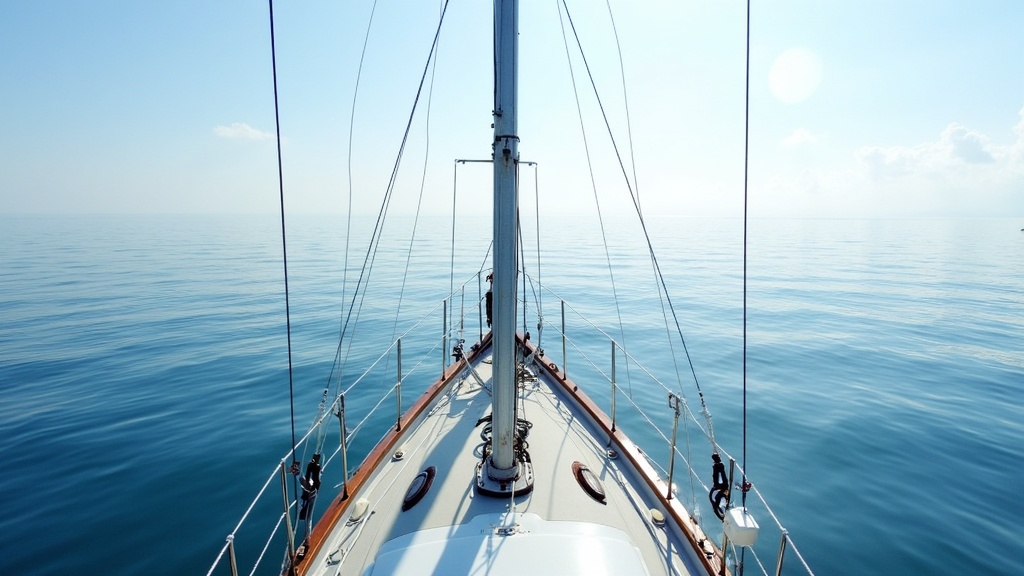
Core Skills Every Beginner Mariner Should Know
There’s much more to being on the water than simply getting into a boat. The basics build a strong foundation, whether you’re looking for serious seamanship or just day trips on the lake. Understanding what goes into safe and efficient boating can help you avoid trouble and enjoy your time a lot more. These skills have been around for centuries but are just as useful today for everyone, from weekend sailors to commercial crew members. While modern equipment makes things easier in many cases, it still can’t replace the practical knowhow every mariner needs.
Learning about these core maritime skills is also the first move for anyone wanting to earn certifications like a boating safety card or even work in marine industries. Groups like the U.S. Coast Guard and the Royal Yachting Association help set the standards for basic boating skills, and their guides often recommend hands-on practice as a seriously important part of learning.
Boating, sailing, and other water activities almost always have local rules and traditions. Building up your skills step by step helps you adjust to all kinds of situations on the water. I remember the sense of accomplishment when I safely helped dock a friend’s boat in windy weather. It was a moment that made me feel a new level of independence and responsibility.
Getting Started: The First Steps in Maritime Safety
Staying safe on the water starts with understanding your environment and sticking to a few key habits. When I learned to boat, the advice I was given—”always prepare before leaving the dock”—saved me a lot of hassle. A basic safety check might seem easy, but it truly prevents a ton of headaches.
The main areas to focus on in the beginning include:
- Personal Flotation Devices (PFDs): Always make sure you and your passengers have life jackets that fit correctly. I keep a couple of extras on board in case a guest forgets theirs or one breaks.
- Understanding Weather: Check the weather forecast and keep an eye on the sky while out. Storms can form quickly, and even seasoned sailors respect the power of wind and waves.
- Boat Handling Practice: Spend time learning how your boat responds at different speeds, how it turns, and how it stops. Getting comfortable with slow maneuvers is a smart step, like getting used to a new car before driving on the highway.
- Basic Communication: Know how radios work and when to use them. Even on small lakes, I’ve relied on radio calls to keep in touch with family or signal for help in a pinch.
A Beginner’s Guide to Essential Seamanship
The art of seamanship covers how to operate, maintain, and handle boats in a safe and respectful way. My first experience crewing on a bigger boat drove home how valuable good seamanship really is. It’s not just about skill—it’s also about attitude and teamwork.
- Learn Basic Knots: Knowing just a handful of knots makes everything easier. I use the bowline and cleat hitch all the time to tie up boats or secure gear, and practicing these knots at home made a big difference when I needed to tie them fast at the docks.
- Understanding Navigation: Charts, compasses, and GPS are your best buddies on the water. Even on familiar lakes, knowing how to read a chart and use navigation apps helps you plan safer routes and avoid shallow patches.
- Reading Buoys and Markers: These floating signs show where you can safely move, mark hazards, and guide boaters into harbors. Taking time to memorize their meanings made exploring new waterways much less intimidating for me.
- Practicing Right of Way: Just like on the road, boats have rules for who goes first. This keeps boat traffic safe and interactions friendly. I use the “stand-on/give-way” rules every time I go out and it’s saved me from more than one close call.
- Man Overboard Drills: It’s worth practicing recovery drills a few times each season. While I’ve never had to perform one for real, just knowing what to do helps everyone feel more at ease on board.
Common Challenges and How to Tackle Them
Knowing your skills in theory is one thing; using them in the heat of the moment is another. The most common issues new mariners face are equipment troubles, changing weather, and feeling uncertain when the day isn’t going smoothly. Here are some simple ways to deal with those challenges:
- Equipment Failures: Carry spares for small parts and learn simple repairs, like fixing a slipped rope or restarting an engine. I always keep a toolkit and an extra paddle on hand.
- Rough Weather: Practice turning the boat into waves to keep from being swamped. Don’t hesitate to return to shore early. I’ve had to do this plenty of times to avoid rough, nerve-wracking moments.
- Unexpected Situations: Stay calm, slow down, and talk with crew or passengers. Taking a breath and reassessing goes a long way.
- Crowded Harbors: Plan ahead and move slowly. Everyone gets nervous docking the first few times—it does get easier and patience will help a lot.
Handling Gear and Equipment
No matter the size of the boat, having the right gear on board is non-negotiable. For me, using a checklist before each trip became second nature. My top must-haves are:
- Life jackets for each person
- First aid kit, including seasickness tablets
- Flares and a whistle for signaling
- Navigation lights and a flashlight
- Emergency food and water
Along with these basics, I usually pack a multiuse tool, spare rope, zip ties, and duct tape. These simple items have helped me patch things up until I could get real repairs done. Staying stocked up helps keep small problems from ruining a day out on the water.
Stepping Up: Simple Ways to Improve Your Maritime Skills
Growth in maritime skills comes from practice, persistence, and learning from good days and bad ones. After I felt solid with the basics, I started trying out new skills every boating season. These are some tips for making progress:
Track Your Trips: Keep a log of where you went, the conditions, and what worked or didn’t. Looking back at these notes at the start of a new season kept helpful reminders fresh in my mind.
Take Courses: Local boating groups and online classes from organizations like BoatUS or the American Sailing Association offer practical lessons in boat handling, navigation, and safety. Meeting other learners showed me new ways to handle tricky moments.
Keep Practicing Knots: Being able to tie knots fast and reliably makes you a valuable person on board. No one wants to drift because a line slipped at the dock!
Stay Up to Date: Marine safety rules and recommended gear get updated over time. Checking the latest advice before each season is a smart move, especially since rules sometimes change after new research or incidents.
Boat Maintenance: Learning basic maintenance jobs—checking the engine oil, cleaning the hull, inspecting the propeller—can prevent breakdowns and even save you money. I do a walkaround my boat before every trip, and it has helped me spot small issues before they turned into bigger problems.
Real-Life Applications: Where Basic Maritime Skills Take You
Getting comfortable on a boat and being ready for surprises opens up tons of activities and gives you the confidence to bring others along for the ride. Here are some places my basic maritime skills have taken me:
- Day Cruises: By picking a safe route and checking my gear each time, I’ve enjoyed smoother trips, even during crowded summer weekends.
- Fishing Trips: Knowing how to read the weather and understanding right of way rules keeps outings with friends and family stress-free and fun.
- Volunteer Work: I put my smallboat handling skills to work at local regattas, helping out on safety boats and at the docks. It’s been a great way to meet folks and contribute to the boating community.
As your skills grow, so do the opportunities. Advanced navigation opens the doors to coastal cruising, joining sailing races, or even training as a crew member on larger vessels. The more confident you get, the more experiences you’ll collect and memories you’ll make.
Frequently Asked Questions
Here are some common questions I hear from those beginning to learn about maritime skills.
Question: What’s the best way to start learning basic boating skills?
Answer: Signing up for a boating safety class is always a good idea. Many clubs and organizations offer hands-on practice, which helped me turn book knowledge into real skills.
Question: How should I choose a personal flotation device (PFD)?
Answer: Try before you buy, and make sure it fits right. Look for approved safety labels. Personally, I go for the ones with adjustable straps since they stay comfortable all day.
Question: Do I need to know all the knots or just a few?
Answer: Start by learning the key knots—bowline, cleat hitch, and one or two others. Being confident with a few is better than knowing lots but getting flustered when it matters.
Question: How can I step up my navigation skills?
Answer: Use a chart or electronic navigation app for every trip, even when you know the area well. Practice using a compass and plotting a short course as part of your pre-trip routine.
Final Thoughts
Learning the basics of maritime skills gives you real confidence as you get out on the water. I’ve seen firsthand how practicing these habits always makes the fun smoother, from launching boats in the spring to helping dock safely when things are tight. Whether you have an eye on a maritime career or just want to enjoy weekends with family and friends, building these foundational skills puts you in a position to grow and get more out of every adventure. Stay curious, be prepared, and enjoy the adventure—there’s always something new to learn on the water, and each outing finds a way to surprise you.