Marine boilers form the heart of many shipboard operations, playing a key role in providing steam for propulsion, heating, and other onboard systems.
I have found that running these systems smoothly while keeping safety front and center takes practical training, attention to detail, and a solid understanding of relevant regulations. This Marine Boiler Operation Guide shares what I have learned through hands-on experience, supported by safety protocols and the latest best practices found in the Marine Boiler Regulations 2026.
Understanding Marine Boiler Basics
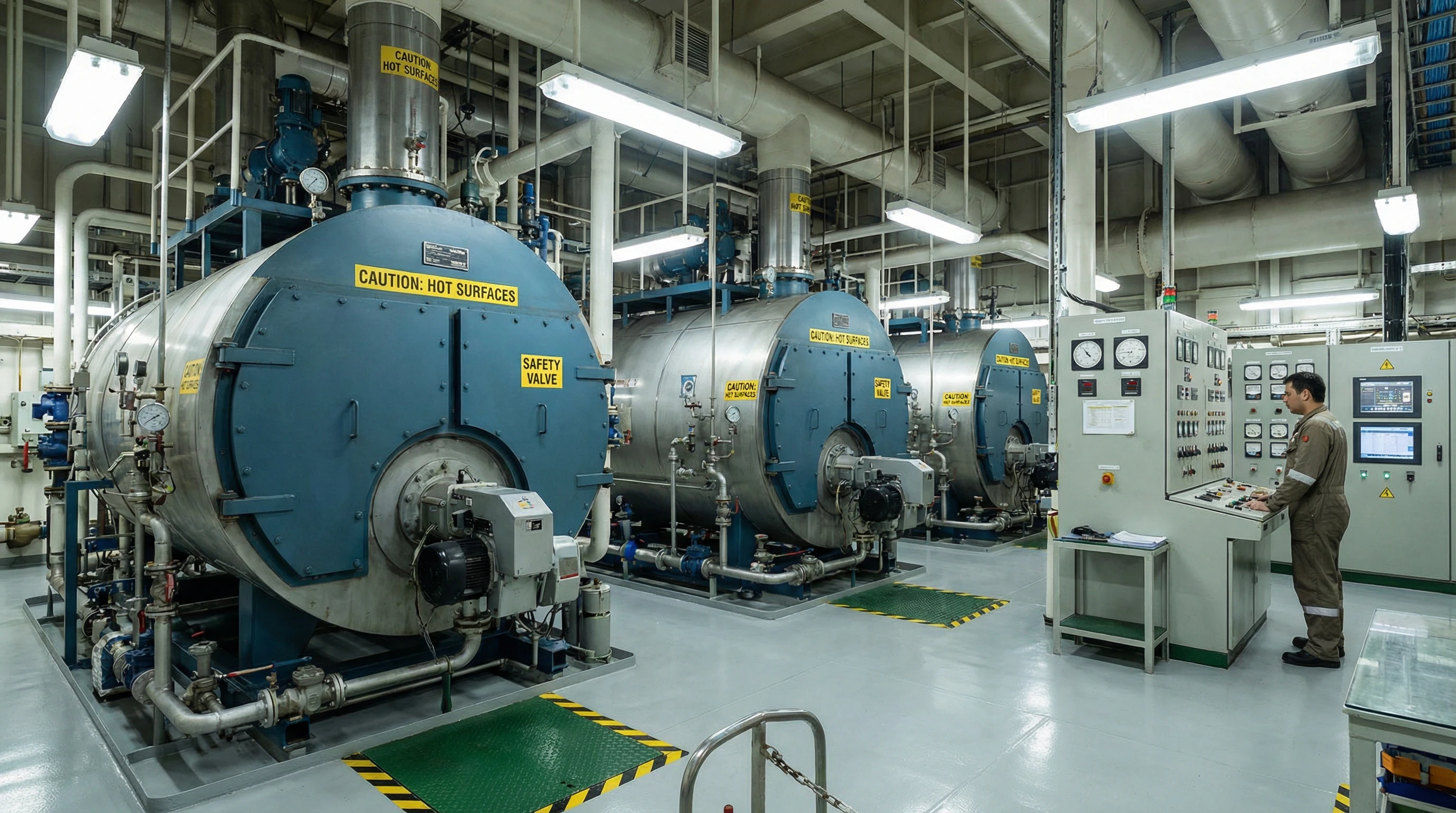
I have worked with several types of marine boilers, and although they might look complicated at first, the fundamentals are pretty straightforward once you break them down. A marine boiler is essentially a closed vessel where water gets heated to produce steam. Ships might use steam for main engine propulsion or for auxiliary purposes like heating cargo or running turbines.
There are two main categories of marine boilers: firetube boilers and watertube boilers. In firetube boilers, hot gases pass through tubes surrounded by water. In watertube boilers, water flows through tubes heated externally by hot gases. Each has its own benefits and operating quirks.
- Firetube boilers: Simpler to operate and maintain, usually found on smaller ships or as auxiliary systems.
- Watertube boilers: Handle higher pressures and capacities, standard on larger cargo ships and tankers.
Understanding how these boilers work is really important when it comes to safe and efficient operation. Alongside their technical specifics, the ability to break down a boiler’s structure and function aids in both troubleshooting and day to day running of shipboard systems. Training on boiler types usually includes clear diagrams and practical demonstrations, which help new crew members quickly pick up key differences between designs. Additionally, knowing whether your ship relies on firetube or watertube setups may affect the choice of spare parts and repair strategies you’ll use.
Getting Started, Key Steps Before Operation
Starting up a marine boiler requires more than just flipping a switch. I always begin by performing a pre-startup inspection, and I run through a Marine Boiler Maintenance Checklist each time. This helps catch potential issues early, such as leaks, loose connections, or signs of corrosion. These kinds of small problems, if spotted ahead of time, can prevent serious trouble later.
- Check water levels: Proper water level is really important to avoid dry-firing the boiler.
- Inspect fuel supply: Make sure tanks are filled and fuel lines are clear.
- Test safety and control systems: Safety valves, alarms, and gauges should all be working properly.
- Examine pressure readings: Check for any abnormal readings on the control panel.
- Clear area of flammable materials: The boiler room should be clean and organized.
Once the physical checks are done, I move on to system checks, like testing the gauge glass, blowdown valves, and feedwater pumps. If any issues show up, I refer to the marine boiler troubleshooting guide I keep handy. In my experience, sticking with this routine prevents most mishaps and ensures that boiler startup sequences run smoothly. For newcomers, having a printed or digital checklist on hand really helps keep everything in order and avoids missed steps. Regularly reviewing notes and reminders about the specific quirks of your ship’s boiler makes the process much less intimidating.
Step by Step Marine Boiler Operation Guide
Operating a marine boiler safely and efficiently calls for a methodical approach. Here’s how I break down each part of the operation:
- Filling the Boiler: Fill the boiler slowly with treated feed water to the recommended level, making sure not to overfill. It’s vital to confirm that all drain valves are closed first, so water doesn’t leak out unexpectedly.
- Warming Up: Open the air vent valve to let out trapped air. Preheat the furnace and set the fuel system for slow firing. This avoids rapid temperature changes that could damage parts or create stress in the boiler’s internal structure.
- Raising Pressure: Gradually raise pressure by controlling fuel supply. Monitor the pressure gauge closely and do not rush the process. Watching for odd noises or sudden gauge bumps helps spot trouble early.
- Switching to Normal Firing: Once safe operating pressure is reached, fully engage the fuel supply for regular firing. Test safety valves to make sure they lift at the set pressure, and check all indicators for stability.
- Monitoring Throughout: Keep an eye on water level, steam pressure, fuel consumption, and temperatures at key points. Adjust the system as needed, and log readings regularly in the operation logbook.
Practice and repetition make these steps second nature. Even after years of experience, I never skip or rush these steps, since a lapse can trigger equipment damage or a major safety incident. It’s also wise to ensure communication among team members, clear instructions and call outs keep everyone aware of what’s happening, especially during startup or emergency shutdowns. In large engine rooms, coordinating these actions with the deck and engine teams keeps things organized.
Core Principles of Marine Boiler Safety
Safety is always on my mind when working with marine boilers. The systems run under high pressure and temperature, so there isn’t much room for error. Following the principles of Marine Boiler Safety has kept me and my crew out of trouble more than once.
- Always monitor water levels: Low water can mean a destroyed boiler in minutes.
- Test alarm and shutdown systems daily: I check the flame failure, pressure, and low-water alarms at every watch change.
- Never bypass safety equipment: Shortcuts with safety devices are a no-go.
- Keep records: I log each reading and inspection, which is really useful for spotting trends or problems.
- Wear proper PPE: Heat resistant gloves, safety goggles, and sturdy footwear are mandatory in the boiler room.
Everyone on board should get regular Safety Training for Marine Boilers. I make sure new crew members understand not just what to do, but why safety steps matter. Getting into the details behind safety protocols helps the crew truly appreciate critical routines instead of just memorizing them. To keep safety culture strong, I appreciate it when senior engineers set examples for new hands by consistently doing things the right way and encouraging questions. This creates an environment where it’s okay to ask for help or clarification, which ultimately keeps everyone safer.
Essential Marine Boiler Maintenance Checklist
Regular upkeep keeps your boiler running efficiently and stops small problems from growing. Here’s the checklist I rely on for routine maintenance:
- Check and clean the burner regularly.
- Inspect all safety and relief valves; replace any that show signs of wear.
- Examine boiler tubes for scaling, corrosion, or leaks. Any tube that shows pitting or cracks needs immediate attention.
- Check all control panel lights, horns, and alarms to make sure signals remain clear.
- Test water quality (pH, oxygen, and chemical balance) to avoid boiler internal damage. Often, untreated water leads to scale or corrosion.
- Lubricate moving parts like pumps and valve stems. Unlubricated machinery is more likely to seize up and fail.
- Verify operation of the feedwater system, checking for any flow inconsistencies.
- Inspect insulation and casing for wear or heat damage. Damaged insulation means lost energy and risk of burns.
A good Marine Boiler Maintenance Checklist goes a long way toward better performance and safety. Finding and fixing minor issues early saves real time and money down the road. Some engineers also keep an extra checklist for planned maintenance during long voyages or dockside repairs, which helps organize part orders and scheduling.
Marine Boiler Regulations 2026, What’s New?
I keep up with all changes in industry requirements, and the Marine Boiler Regulations 2026 introduce some important updates. For those operating or building ships, these rules should get your full attention:
- Improved emission standards: Marine boilers must now use low sulfur fuels, with better exhaust cleaning systems required on new builds.
- Automated safety controls: Digital monitoring of pressure, temperature, and water levels is now mandatory. Alarms must be connected to the ship’s central safety system.
- Regular training and certification: All crew working with boilers must complete a certified Safety Training for Marine Boilers and renew their credentials every 3 years.
- Documentation and reporting: Maintenance and inspection logs must be kept in an easily accessible format, and incident reporting timelines are now shorter.
You can find more detail through flag state authorities or the International Maritime Organization (IMO) regulations portal. Staying current helps keep both insurance and port state inspectors happy. Additionally, these new rules mean investing in periodic upgrades for aging boilers and control systems, so budget and planning must account for regulatory compliance. If you’re overseeing a ship’s retrofit, always double-check the compliance dates and required features when ordering new equipment or updating manuals. Overlooking these changes can mean expensive delays at port inspections or audits.
Safety Training for Marine Boilers
I have gone through several safety trainings over my career, and each one provided fresh insights and reminders. Practical drills and refresher sessions are really important, especially for new crew or those who have never worked with marine boilers before.
The best training programs cover not just the basics, but also hands-on exercises. Trainees learn how to:
- Start and shut down a boiler safely.
- Respond to alarm signals and carry out emergency steps quickly and calmly.
- Identify signs of corrosion, scale, or unusual noises and take appropriate action.
- Follow the incident reporting process as per Marine Boiler Regulations 2026. This includes knowing who to inform, what to log, and when to escalate issues.
Drills are repeated under supervision, which builds real confidence and muscle memory. I make sure to practice what’s in the Marine Boiler Emergency Procedures guide at least once every few months. Some ships make use of scenario-based training, where crew members work through simulated emergencies or unexpected failures, rebuilding their problem-solving skills and encouraging teamwork under pressure.
Marine Boiler Emergency Procedures
Emergencies can and do happen, and relying on clear, rehearsed steps makes a big difference. Here’s what I focus on during marine boiler emergencies:
- Loss of water: If water drops below safe levels, I immediately stop firing and shut down the system. Opening the feedwater line or using an emergency hand pump comes next to restore safe conditions.
- Furnace explosion risk: If there’s a flameout followed by a buildup of unburnt fuel, I ventilate for several minutes before attempting a restart to avoid explosions.
- Overpressure: I vent excess pressure using relief valves and follow lockout procedures until the root cause is fixed. All crew are briefed on this process so that the response is coordinated and quick.
- Fire in boiler room: Sound the alarm, isolate fuel, and use CO2 firefighting systems. Never open doors suddenly, as a rush of air could worsen the fire and put crew at risk. Keeping the fire team ready and all firefighting equipment checked is crucial to an effective response.
Every crew member should be familiar with these Marine Boiler Emergency Procedures. Running simulated drills helps everyone know how to react quickly, calmly, and effectively. The habit of regular practice ensures the response is automatic under stress, minimizing the chances of error. Senior engineers should encourage ongoing questions about emergency procedures and share stories of past incidents to deepen understanding within the team.
Common Problems and Marine Boiler Troubleshooting Guide
Even with the best planning, issues sometimes come up. My marine boiler troubleshooting guide covers the problems I face most often:
- Boiler flame keeps failing: Check for fuel blockages, air leaks, or faulty ignition systems. Thoroughly inspect connections and replace worn components if necessary.
- Water level fluctuations: Test the feedwater pump, look for leaks in the feed line, and check the float switch. Small leaks often lead to ongoing level issues and can be fixed with proper sealing of joints.
- Abnormal noises: Scale buildup or trapped air can cause knocking or banging. Perform a blowdown or descale as needed. Regular water treatment reduces these risks.
- Poor steam quality: Inspect for foaming or carryover due to contaminated water, and clean or dose water accordingly. Use approved boiler water chemicals according to manufacturer’s guidance.
When facing something new, I check the manufacturer’s manuals or consult with more experienced engineers before taking action. Careful research helps avoid unnecessary downtime or expensive mistakes. Today, some crews also use digital troubleshooting aids, which offer step by step guidance based on error codes or input readings from modern boiler control systems. Comparing digital logs with the physical signs inside the boiler room is a helpful technique for finding tough to spot issues.
Things You Should Probably Consider Before Running a Marine Boiler
I’ve learned that preparation can prevent most headaches later. Here are a few points I always review before starting any boiler job:
- Double check boiler certification and test dates before getting underway. Expired documents can lead to inspection failures at port.
- Review the latest Marine Boiler Regulations 2026 and company policies for any recent changes. New rules or updates may affect how you operate on certain routes or with specific fuels.
- Know your ship’s fuel type and quality. Poor fuel often causes more issues than faulty equipment, so test and confirm before refueling.
- Evaluate cargo or routespecific requirements, such as additional heating for tankers or extra insulation during winter crossings.
- Be sure you have access to the right spare parts and chemicals for your planned voyage. Running out at sea is costly and dangerous.
I also make sure to keep emergency contacts and technical manuals within arm’s reach. It’s always better to be over-prepared than caught by surprise. Experienced crews spend time before every passage reviewing all emergency plans during pre departure meetings, fine tuning readiness and response.
Frequently Asked Questions
Over the years, new engineers and deckhands have asked me some of the same things. Here are quick answers to the most common questions I hear about marine boiler operation and safety.
Question: What is the single most important step in Marine Boiler Safety? Answer: I always say, never let water run low in the boiler. Keeping the water level in the safe range avoids most catastrophic failures. If in doubt, always shut down and investigate immediately.
Question: How often should I perform maintenance checks? Answer: I do a basic visual inspection daily, a full checklist each week, and a super detailed review every month or drydocking cycle. Staying consistent keeps problems small and manageable.
Question: Do I need a special certificate to operate a marine boiler? Answer: According to the Marine Boiler Regulations 2026, all engineers working with boilers must hold a current certificate of training specific to marine boilers and renew it every three years. Check with your flag state for approved courses and providers.
Question: My boiler keeps having low steam pressure. Where should I start troubleshooting? Answer: Check the fuel system for blockages, test the burner, inspect the air supply, and review the control settings. Any one of these can lead to low steam production. If these checks don’t resolve the issue, look for leaks in the steam circuit or a faulty pressure gauge.
Real-World Examples and Final Thoughts
One time, a hidden leak in a feedwater pipe almost ruined a passage across the Pacific. Routine checks and a sharp eye picked up a water level drop, letting me isolate and repair the pipe before any harm was done. Another time, fresh training gave a junior engineer the skills to calmly handle a minor furnace flameout, saving us from a much bigger headache. Both cases show how preparation and safe routines save the day.
Caring for marine boilers is mostly about steady habits, good training, and keeping updated on Marine Boiler Safety practices. I have found that getting comfortable with emergency procedures, routine checks, and regulatory requirements keeps everyone safer, and lets us concentrate on the voyage ahead.
If you’re new to marine engineering, I recommend shadowing experienced hands, asking questions, and building your confidence day by day. For veterans, staying open to new ideas and regulatory updates keeps your skills sharp and your ship in good standing. Shipboard life always throws curveballs, but with strong safety habits and solid teamwork, the boiler room will remain a safe and reliable core of ship operations.