Seafarers often come up against unpredictable situations at sea, so seafarers safety training and emergency training for seafarers are a really big deal.
I’ve worked in the maritime world for years and have witnessed just how much the right preparation can make a difference when trouble strikes. Whether you’re just starting in this line of work or aiming to sharpen your know-how, learning how to stay safe and respond when things go wrong is a must it saves lives and keeps your fellow shipmates out of harm’s way. Let me walk you through the essentials, recommendations, and major regulations shaping seafarers safety and emergency training.
Why Seafarers Safety Training Matters So Much
Safety at sea covers way more than just personal well-being, it’s also about keeping everyone on board protected and making sure the vessel runs without a hitch. Seafaring comes with serious risks. Unpredictable weather, handling heavy machinery, and spending long stints away from shore make things dangerous in a hurry. Seafarers safety certification hands each crew member practical skills to help prevent accidents, react fast to medical emergencies, and deal with anything from fires to abandon-ship calls.
SOLAS (the International Convention for the Safety of Life at Sea) sits at the core of seafarers safety and health rules globally. These standards say every seafarer has to complete approved safety training before they can step onto almost any commercial ship. It’s about more than just ticking boxes. Good training allows crews to work together seamlessly and boosts confidence for every trip.
Getting Started: The First Things Seafarers Need to Learn
For newcomers, early courses focus on the building blocks of safety and emergency know-how. Here are the main topics usually covered by seafarers safety training:
- Personal Survival Techniques: Mastering how to put on a lifejacket, use survival crafts, and stay alive in the water forms the base for anyone at sea.
- Fire Prevention and Firefighting: Crews get trained to recognize fire dangers, operate firefighting equipment, and participate in real-life drills.
- First Aid: Learning basic first aid means you’re better able to handle injuries, sudden sicknesses, and even CPR before medical professionals come in.
- Personal Safety and Social Responsibilities: Crew members learn how to minimize dangers, cooperate through teamwork, and stay careful in everyday tasks to steer clear of accidents.
These skills help build safe habits that pay off every day, not just when something goes wrong. From always knowing where protective equipment is stored, to understanding how to spot and report dangers, these are pillars of a successful seafaring adventure.
Top Seafarers Emergency Training Programs
To get solid jobs at sea, finding the right training program is key. Reputable programs match the STCW (Standards of Training, Certification and Watchkeeping for Seafarers) Code, which lays out globally recognized material for safety and emergency response. Here’s what to check when considering a program:
- Accreditation: Be sure the training center is recognized by the right maritime authorities and uses updated STCW course material.
- Skilled Instructors: Trainers who have real sea experience add real-world context you can’t find in a manual.
- Modern Training Environments: Simulators, live-fire practice, and realistic emergency training simulation for seafarers help turn theory into practical know-how.
- All-in-one Course Content: Top programs cover everything from risk awareness and crisis communication to hands-on drills that stick.
Famous agencies like the Maritime and Coastguard Agency (MCA), the United States Coast Guard National Maritime Center (NMC), and a host of maritime academies all offer recognized seafarers emergency training. Take time to compare program outlines, look up reviews online, and chat with fellow sailors about their own experiences, it’s worth the effort.
The Checklist: Seafarers Emergency Preparedness
Keeping a seafarers emergency preparedness checklist helps you and your team stay organized, especially during crunch time. Here’s a simple list I like and recommend to every crew:
- Locate Safety Equipment: Know exactly where to find lifejackets, lifeboats, fire extinguishers, alarms, and medical supplies.
- Understand Emergency Roles: Drill your assigned roles for muster, fire, or abandon-ship calls until you know them backward and forward.
- Review Escape Routes: Walk all escape paths on your vessel until you can make your way out without even thinking about it, even in darkness.
- Check Communication Tools: Get familiar with how ship radios, alarms, and loudspeakers work, especially in case power goes out.
- Practice Drills Often: Take every drill as if your life depends on it. Regular repetition builds confidence and muscle memory for real events.
From speaking with safety officers, I’ve learned how important it is to update this checklist every time the crew switches out or a new piece of gear gets installed. Staying on top of these routine checks can make a life saving difference in real emergencies.
Common Challenges Facing Seafarers (and How to Overcome Them)
Even with solid training, emergencies at sea create stress and confusion. From years of talking with ship crews, here are common hurdles and ways to keep safe:
- Fatigue: Long hours and bad weather sap energy and focus. Make rest a priority, swap shifts when possible, and be honest if you’re feeling wiped out, supervisors value safety above pride.
- Cultural and Language Barriers: Ships bring together people from all over. Running regular drills in simple English and using clear diagrams or colored signs keep everyone on the same page.
- Unfamiliar Equipment: Every ship has its quirks, so always take time to walk through and get your hands on new gear. A group session reviewing updated manuals helps cement new info.
- Weather Hazards: Storms, freezing temps, and scorching heat make sea work even riskier. Stay looped into weather updates, keep gear secured, and always stick to protective routines.
Fatigue
When exhaustion sets in, mistakes multiply. I always tell crews to check on their peers, switch duties when needed, and say so if they’re not operating at their best. The best officers look for honesty, not bravado, when it comes to safe sailing.
Cultural and Language Barriers
Miscommunications can have real consequences in a fast-moving emergency. Using plain language, frequent drills, and visual aids means everyone gets the message, no matter how fluent they are in English.
Unfamiliar Equipment
No two ships are identical. Spend real time with the actual life-saving devices you’ll use, not just lookalikes. Crews that take hands-on practice seriously almost always react better when it counts.
Weather Hazards
Bad weather turns simple jobs into dangerous ones. Make a habit of double-checking that your survival suits, alarms, and emergency routes are up to date before setting off. Have group discussions when storms are forecast, so no one is caught off guard or left out of crucial details.
Overcoming these challenges together and being open about trouble spots helps foster a safer, more trusting environment for everyone on board.
Next-Level Emergency Response Training for Seafarers
After learning the basics, emergency training for seafarers becomes more advanced and specialized. Here’s what’s usually next in store:
- Crisis Leadership: Higher-ranking officers are trained to make smart decisions under stress, keep panic down, and get different teams working in sync.
- Hazardous Materials Handling: Special modules show how to tackle chemical spills, cargo fires, and even radioactive situations safely.
- Advanced Medical Skills: Some crew members learn to stitch wounds, manage fractures, and deliver medical care when no doctor is on board.
- Security Drills: Piracy, unwanted stowaways, and terror threats are tackled in great detail, with risk assessments and plenty of teamwork exercises.
Many of these advanced sessions take advantage of emergency training simulation for seafarers, including tools like virtual reality, mock disasters, and staged crises with actors. These engaging, hands on scenarios help build fast response habits and encourage strong teamwork for real-life emergencies.
Key Equipment and Technology Every Seafarer Should Know
Having reliable, well-understood tools makes all the difference in emergencies. Training only works if you know your gear. Some of the essentials every seafarer should focus on include:
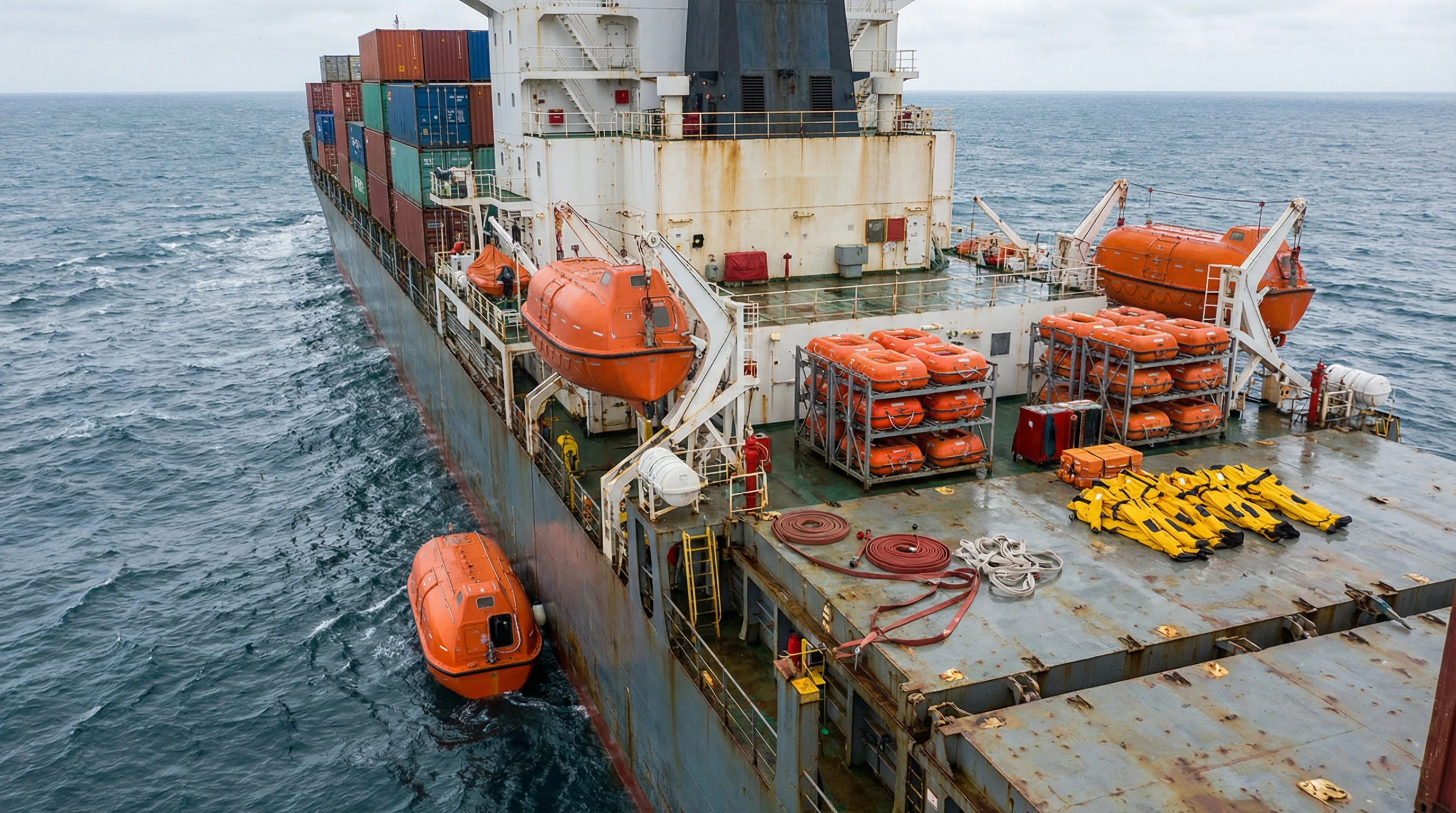
- Lifeboats and Rafts: Regularly inspect launching gear, supply kits, radios, and rations stored on life-saving craft.
- Fire Safety Gear: Know your way around portable extinguishers, fire suits, breathing equipment, and fixed suppression systems.
- Protective Equipment (PPE): Helmets, gloves, safety harnesses, and storm suits keep you safer when things go wrong.
- Alarms and Escape Systems: Teach new crew to quickly find alarms and exits, and ensure everyone can operate doors and ladders even in the dark or smoke.
- First Aid Kits and Defibrillators: Make it routine to check gear for expiry and practice using medical devices regularly so you’re quick and confident during a real emergency.
Vessels with solid gear and crews who believe in safety culture do better in every situation. I tell all shipmates: keep tools in good shape, walk through emergency steps often, and never overlook the basics. That’s what sets great crews apart.
- Oil Tankers: Extra emphasis goes to firefighting and handling hazardous materials due to dangerous cargo.
- Passenger Ships: Clear instructions, frequent drills, and well-planned routines help manage big groups smoothly and safely.
- Fishing Boats: Recovery practice, weather awareness, and added personal protection take center stage due to rough conditions.
Frequently Asked Questions
Here are a few things I get asked all the time by both new and experienced seafarers looking to update their seafarers safety certification:
Question: How often does my seafarers safety certification need to be renewed?
Answer: STCW certificates typically need renewal every five years, or sometimes sooner if you switch jobs or new rules kick in. Double-check with your training provider or flag authority for up-to-date info.
Question: What do drills on a commercial ship include?
Answer: Usually drills cover fire alarms, lifeboat use, rescue procedures, and first aid scenarios. Some ships run extra checks like oil spill cleanups or cargo emergencies, based on what they haul or where they operate.
Question: Is there a difference between required and optional emergency training for seafarers?
Answer: Required training is set by law (like the STCW Code). Optional courses help you step up your skills, or target special duties, like advanced firefighting or ship security officer qualification.