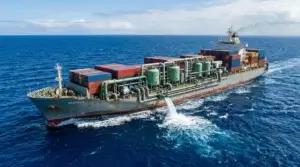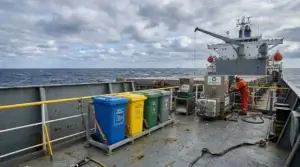
Safety and effective navigation are really important when I find myself facing an emergency at sea.
Whether I’m a professional mariner or just starting out in maritime operations, knowing ship emergency navigation procedures can make a huge difference in how I respond when the pressure is on. In this all-in-one guide, I’ll walk you through crucial emergency navigation concepts, the types of emergencies you might run into, practical steps that keep you steady, and the key tools and principles behind emergency navigation. If you’re interested in safety at sea, this guide packs in the essential knowledge and real-world wisdom you’ll need.
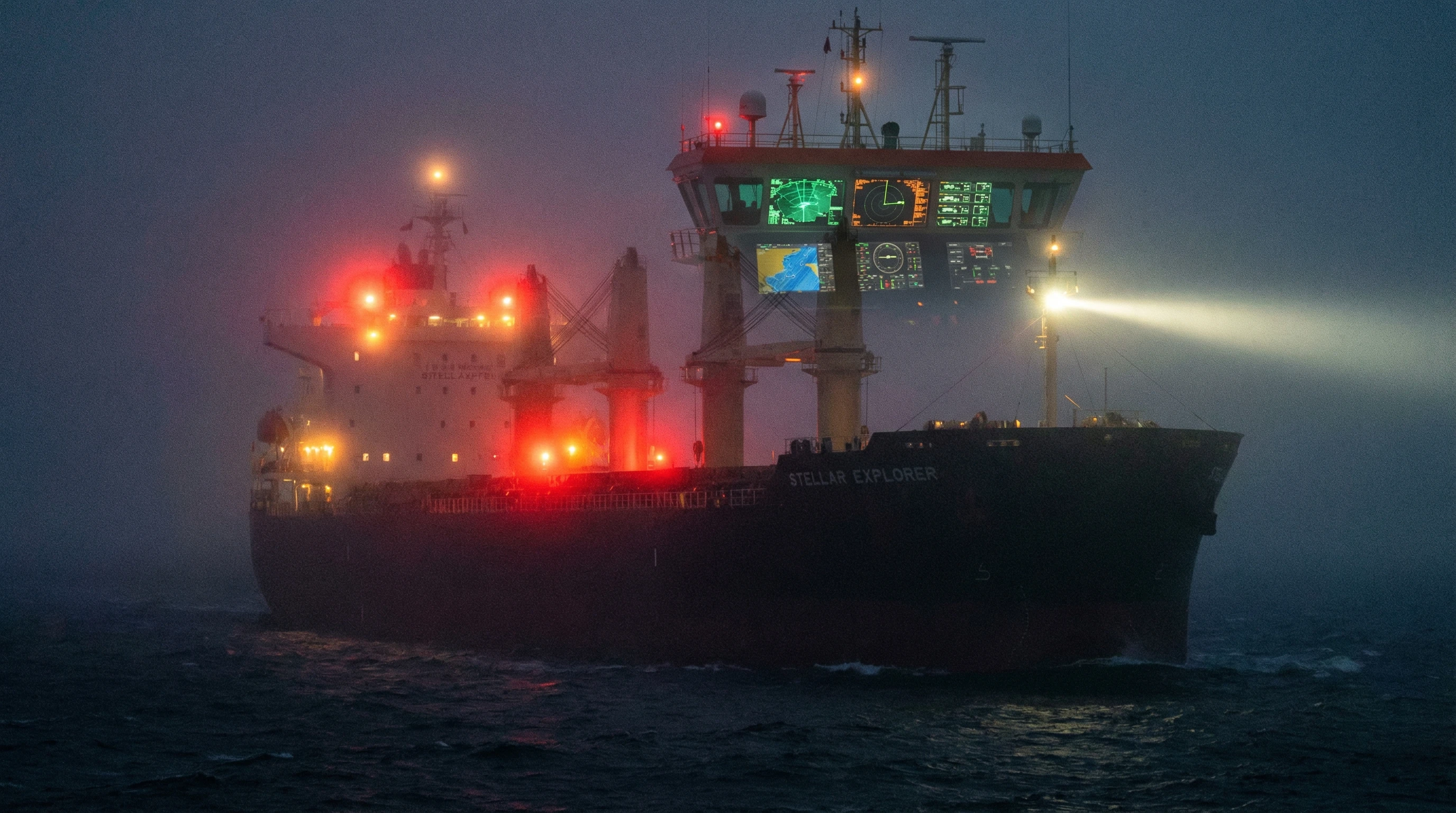
What Is Ship Emergency Navigation?
Ship emergency navigation is the set of skills, backup tools, and quick-thinking procedures I follow to steer and control a vessel safely when normal operations are disrupted. Emergencies at sea aren’t just about storms or mechanical trouble; they can be anything from onboard fires and collisions to sudden electrical breakdowns and extreme weather. In these moments, many standard systems could be knocked out or unreliable. That’s when having a clear plan and being well practiced at ship emergency navigation really makes a difference for the crew’s safety and the ship’s survival.
Maritime safety navigation covers a lot more than day-to-day operations. Emergency navigation procedures jump in when the usual infrastructure and tools stop working. These procedures include backup systems, communication workarounds, and well-rehearsed teamwork methods picked up through emergency navigation training courses. Keeping calm and making the most of the available resources is key.
Why Emergency Navigation Procedures Matter
Being prepared has always helped boost my chances of handling maritime emergencies the right way. At sea, problems can pop up out of nowhere and escalate fast. For example, an electrical outage can knock out the main navigation gear, making regular monitoring and course corrections impossible. Without a solid ship emergency checklist and protocols, crew might panic, miscommunicate, or make poor decisions under stress.
Preparation gives everyone confidence and makes risky situations much safer. Almost every maritime safety report I’ve read highlights how emergency navigation training and reliable backup systems help prevent disasters, cut down on damage, and pave the way back to port after a crisis. My own experience during drills shows that when the whole crew knows the steps by heart, things go far more smoothly than if we try to improvise.
Getting Started: Types of Maritime Emergencies Affecting Navigation
Understanding the possible emergencies you might face is step one. Here are just some scenarios that put emergency navigation procedures front and center:
- Complete Power Failure: Losing all electrical power disables radar, electronic charts, autopilot, and comms gear.
- Fire on the Bridge: A fire up front might force us off the main controls, cloud up the view, or fry the navigation panels.
- Steering Failure: Sometimes, the main steering is lost and we have to get creative with emergency systems or fallback to manual controls.
- Hull Breach or Flooding: A leaky hull can cause the ship to list, spoil control, or knock out machinery.
- Man Overboard: Every second counts, so turning the ship back and picking up the person safely becomes top priority.
- Severe Weather: Sudden storms, dense fog, or blocks of ice push us off the usual routes and force rapid, careful rerouting.
Each of these means taking slightly different actions, but the core goal remains: keep everyone safe and keep the ship under control. Emergency navigation isn’t about panic; it’s about making practical, well-prepared moves that cut through the chaos.
Emergency Navigation Systems Overview
Modern ships pack in a lot of navigation gear, and most of them have several fallback options. Here’s a closer look at the emergency navigation tools I rely on:
- Magnetic Compass: The trusty old compass works even when everything electrical shuts down. I always double-check the course with it.
- Paper Nautical Charts: If Electronic Chart Display and Information Systems (ECDIS) are dead, paper charts are vital.
- Handheld GPS Units: Battery-powered GPS works even if the ship’s big charts go offline.
- Emergency Lights and Alarms: Solar or battery-powered lights and alarms let us stay in control if there’s a blackout.
- Manual Signaling Devices: Handheld radios, whistles, and flares take over when regular comms go silent.
- Manual Steering Gear: Many ships have a backup tiller or manual rudder controls stashed for just such emergencies.
If you spend time learning how these work during normal times, you’ll be quicker and calmer if an emergency hits. Most emergency navigation training includes practice until these backup tools are second nature.
How to Navigate During Emergencies: Practical Steps
Whenever I face an emergency, the safety of the people onboard is the first thing on my mind, with navigation coming right after. Here’s the sequence of steps that help me stick to the ship emergency protocols:
- Sound the General Alarm: Get everyone’s attention as fast as possible so the crew can gather and be ready for orders.
- Check the Situation: Quickly figure out what type of emergency you’re dealing with and which equipment is still working.
- Switch to Emergency Power: If you have battery or generator backups, use them right away for critical bridge systems and lighting.
- Shift Bridge Control if Needed: If the main bridge is unsafe, take control in the backup location or emergency steering station.
- Pinpoint Your Position: Work out where you are with paper charts, the magnetic compass, or a handheld GPS, and write it down.
- Communicate Clearly: Use VHF handheld radios for distress calls and share updates with the crew and other ships in the area.
- Plot Safe Courses: Consider wind, currents, and hazards as you choose new routes to steer clear of danger.
- Use Manual Steering Controls: If autopilot and normal steering don’t work, use the emergency manual rudder or tiller.
- Keep a Rough Log: Jot down positions, time stamps, changes, and key actions; this helps both with your next moves and in the later report.
Once, in a full power-loss drill, our team stuck close to our checklist and kept rotating roles, which helped us avoid getting stuck or making mistakes. Practice makes these steps second nature, even when nerves are running high.
What Should Be On My Ship Emergency Protocols Checklist?
I keep my checklist simple but thorough—having it at hand, laminated, or tucked near the wheel is a huge help. Here’s what makes my list:
- General alarm and muster basics
- Manually recorded ship position and heading
- Quick tally of equipment that works and what’s down
- Emergency power and comms switches located
- Location of manual steering gear or backup rudder controls
- Paper charts and simple plotting tools (rulers, pencils, dividers)
- Handheld GPS with fresh backup batteries
- Distress signal instructions and radio frequencies for emergencies
- Emergency phone numbers and reporting rules
Why do this? It takes the guesswork away for anyone on the crew, especially less seasoned mates, so nobody’s left trying to remember crucial steps during chaos.
Common Challenges in Ship Emergency Navigation
From my time at sea, here are the most common hurdles we deal with during maritime emergencies:
- Panic and Confusion: When things go sideways, nerves spike, so I always push for calm and ongoing drills to build good habits.
- Lack of Familiarity: Some crew—especially new faces—don’t know the ship’s specific setup. Walkthroughs and quick talks before heading out really help.
- Equipment Problems: Even backups fail occasionally. I double-check all gear before getting underway.
- Nasty Weather: Hard rain, fog, or rough seas can throw off even basic navigation, so I practice old-school techniques, sometimes with eyes closed or in low-light conditions.
- Working with Rescue Teams: Getting clear messages to rescue services and nearby ships is important. The better the communication, the faster help arrives.
My experience says these can be tamed by regular practice and reviewing the ship emergency protocols often, so nothing catches anyone off guard.
Advanced Ship Emergency Navigation Tips
When you already know the basics, here are some bonus strategies to step up emergency navigation even more:
Drill in Tough Conditions: Practicing during heavy weather or at night shows you weak spots in your plan and locks in real confidence.
Read Real Emergency Stories: Checking out incident reports from other ships highlights trends and gives you new tricks you might not have thought of. My own best ideas often come after stumbling upon something clever in these reports.
Stash a Redundant Emergency Kit: I keep extras like batteries, backup flashlights, compasses, and waterproof charts in easy-to-reach spots. When small stuff breaks or gets wet, these make all the difference.
Know Your Emergency Panels: On newer ships, special panels and power lines exist for just such events. I make sure to poke around and understand these before casting off.
Focus on Teamwork and Leadership: Strong leadership and well-rehearsed teamwork are what make the difference in emergencies. Clarifying everyone’s responsibilities in calm moments pays off when panic starts to rise.
Emergency Navigation Training Courses: What to Expect
Often, pros in the industry must take regular safety courses, and for anyone serious about maritime work, I recommend them. Training combines classroom theory and hands-on practice. Typical topics include:
- Manual chart plotting sessions
- Bridge resource management during high-stakes moments
- Using emergency radios and backup comms equipment
- Handling manual steering and power distribution in emergencies
- Emergency procedures for search and rescue
I always walk out of these courses not just more confident, but also armed with real-world stories and tips from instructors and classmates who’ve seen it all.
Troubleshooting: Real-World Scenarios and Responses
Experience in both drills and real emergencies drives home some universal truths:
- Engine Failure Offshore: Use manual methods to keep tabs on drift, communicate steadily with the coastguard and nearby ships, and use paper charts for awareness.
- Fire on the Bridge: If forced out, move quickly to the alternate control point and fire up portable radios; keep a written log to track every position update and major step.
- Navigation Light Failure at Night: Get emergency lights on and hoist the right signals so you’re still seen in the dark.
Clear thinking, trust in drills, and the right gear prevent a bad day from getting worse. Every real incident and drill adds to the skill set for the next round.
Frequently Asked Questions
Here are a few questions I hear from both green and seasoned hands looking to step up their emergency navigation:
What’s the very first action in a navigation emergency?
Answer: Sound the alarm, size up the problem, start backup systems, jot down your position, and get the word out to other boats and authorities.
If all my electronics die, how do I keep navigating?
Answer: Go to the basics—use the magnetic compass, paper charts, and hand GPS units; keep notes of your drift and every course change.
Are there worldwide rules for emergency navigation?
Answer: Yes. SOLAS and other conventions lay out the basics, but individual countries and shipping companies often add extra layers or more detailed steps.
Why do simulators and drills matter?
Answer: Because drills make good responses automatic. Simulators let you mess up and learn without real risk, while regular practice turns reactions into instinct.
Benefits of Professional Emergency Navigation Training
Taking emergency navigation training isn’t just box ticking—it gives everyone on board real knowledge, hones quick thinking, and cuts down the odds or the fallout from dangerous situations. A well-drilled crew moves fast, makes fewer mistakes, and works as a real team. Employers notice these skills, and keeping training up to date is now a must for landing and keeping good maritime jobs.
Certification shows you can be trusted to know your emergency equipment, guide the team, and act safely when familiar routines get shattered. My own time in these courses has always paid off in skill, confidence, and safer voyages—even when calm seas suddenly get rough.
Key Takeaways for Navigating Maritime Emergencies Effectively
To pull through a navigation emergency, you need to know your equipment, drill on your backups, and keep calm under fire. A physical checklist and good teamwork can shrink risk and confusion. Investment in strong training and sticking to smart procedures makes the seas a safer place for everyone onboard. Preparation and practice are your two best lifejackets when things turn rough at sea.