MARPOL regulations play a crucial role in keeping our oceans cleaner and safer.
For anyone working in shipping or simply interested in marine environmental protection, understanding how these rules function is vital. Since 1973, when the International Maritime Organization (IMO) introduced MARPOL, the shipping industry has strived to reduce pollution and promote better waste management at sea. If you’re new to this topic or preparing for updates in MARPOL Regulations 2026, this will give you a solid introduction so you’ll feel confident about expectations and practical compliance.
What Is MARPOL? An Introduction
MARPOL outlines the international rules aimed at preventing pollution from ships. The acronym stands for “Marine Pollution.” It’s an international treaty crafted by the IMO, aiming to strike a balance between maritime commerce and the protection of the marine environment. The convention consists of several technical annexes, each targeting a specific form of pollution, from oil spills to garbage discharge.
Since its adoption decades ago, MARPOL has evolved in both scope and the strictness of its standards. Recent amendments, including those planned for MARPOL Regulations 2026, reflect continuous efforts to address new environmental challenges like microplastics, greenhouse gases, and the impacts of contemporary fuels.
Key Purposes of MARPOL Regulations
The main purpose of MARPOL regulations is to stop or minimize pollution from ships, whether this results from accidental incidents or normal daily operations. The pollutants addressed include oil, noxious liquids, harmful substances in packaged form, sewage, garbage, and atmospheric emissions. Each pollutant is managed in various sections or “Annexes,” which I’ll break down shortly.
The rules are not limited to dictating what ships must or must not do. MARPOL also covers equipment standards, detailed procedures for inspections, training requirements, and maintaining thorough records so that all layers of accountability are addressed.
Understanding MARPOL Annexes
MARPOL is structured around six main Annexes. Understanding these Annexes helps you know exactly what kind of pollution each one addresses:
- Annex I – Oil: Restricts oil pollution via separation systems, monitoring instruments, and specific discharge standards.
- Annex II – Noxious Liquid Substances: Controls the transport of hazardous chemicals (beyond oil) in bulk, impacting tankers and chemical carriers the most.
- Annex III – Harmful Substances in Packaged Form: Provides guidelines for safe shipment of hazardous materials packed in containers or drums.
- Annex IV – Sewage: Regulates the treatment and disposal of sewage to reduce ocean contamination and health hazards.
- Annex V – Garbage: Manages the disposal of all sorts of waste, including plastics, food leftovers, cleaning agents, and ash, to keep the seas cleaner.
- Annex VI – Air Pollution: Places limits on sulphur emissions, nitrogen oxides, ozone depleting substances, and even greenhouse gases.
Some ships must comply with every annex, while others may face stricter rules under specific annexes relevant to their operations. Large oceangoing ships often require a closer look into every annex, while local boats might only fall under one or two mandates.
Recent Updates, MARPOL Regulations 2026
MARPOL Regulations 2026 will feature updated standards focusing on greenhouse gas reduction and more stringent restrictions on newly identified pollutants. Ship owners and operators should expect tighter controls over exhaust gases, improved systems for monitoring, and stricter fuel standards. Such updates mirror recent technical progress and a heightened public interest in sustainability.
If you’re working for a shipping company or acting as a ship manager, it’s essential to stay alert for these MARPOL updates. The new standards may require you to upgrade onboard systems, modify procedures, or invest in more specialized staff training. Staying proactive ensures you have ample time to adapt, avoiding business interruptions.
What Makes a Ship MARPOL Compliant?
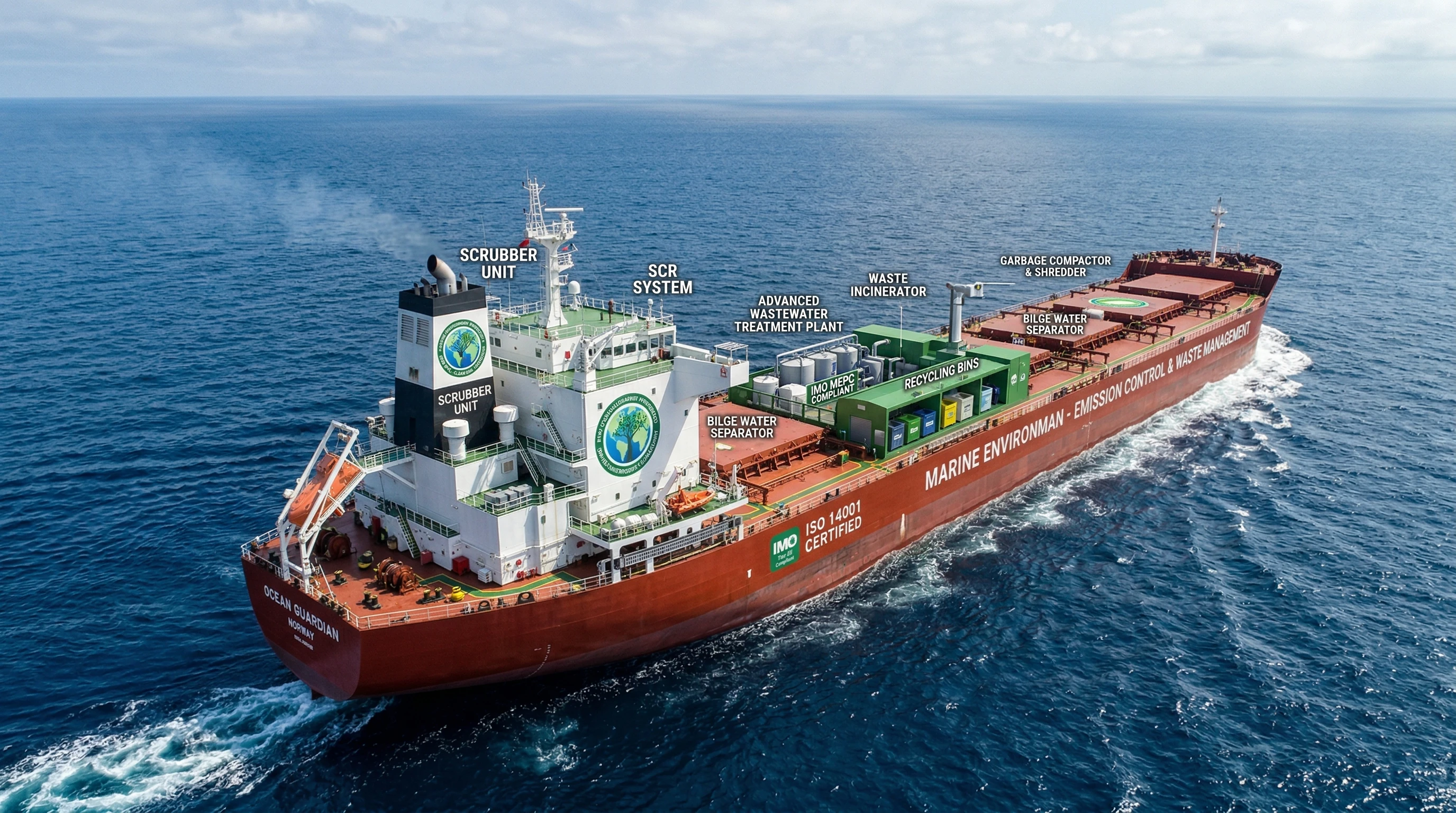
Compliance involves more than having paperwork in order. Functional equipment, such as oily water separators, fully operational sewage plants, and working emission scrubbers must be installed and in proper condition. Frequent inspections and drills ensure the crew can follow correct procedures, for example, with waste separation or managing oil spills. MARPOL compliance checklist documents help cover every detail, from maintaining equipment logs to clear signage and safe disposal routines.
- Make sure all equipment functions and has current certification.
- Verify logbooks and records are current and accurate.
- Ensure waste management and pollution control plans are up to date and posted as required.
- Train the crew in best waste management practices under MARPOL.
- Conduct self-inspections and drills regularly to maintain preparedness.
Many ports now expect evidence of MARPOL compliance before allowing ships to enter or handle cargo. Personally, keeping both digital and paper checklists shortens port inspections and limits the risk of missing details that might lead to delays or fines.
MARPOL Compliance Checklist, What Needs Attention
My approach divides the MARPOL compliance checklist by each annex, making it easier to focus on specific requirements during routine ship inspections:
- Oil Record Book: Must be filled out after every oil transfer, disposal event, or tank cleaning operation.
- Garbage Management Plan and Records: Details how different types of waste are sorted, stored, and discharged, with evidence of crew training included.
- Sewage Certificate: Indicates that sewage management systems are installed and functioning properly.
- Certificates and ‘Statement of Compliance’: A list of valid certificates required by each MARPOL Annex that applies to a ship.
- Equipment Inspections: Logs for regular checks of all environmental management systems.
- Emission Monitoring Systems: Evidence documenting output of regulated pollutants, increasingly important with current and future rules.
Organizing checks this way ensures both compliance and a strong safety culture on board, which port authorities notice during inspections and audits.
MARPOL Waste Management Best Practices
Careful waste management at sea is crucial for both compliance and protection of marine ecosystems. Sticking to smart, up to date MARPOL waste management practices starts with a plan before the ship ever leaves port:
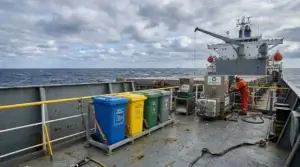
- Categorize all generated waste by type (oil, chemicals, sewage, general garbage) using colored bins and labeled storage containers.
- Store all oily water, bilge, and sludge safely until it can be discharged at a certified port reception facility.
- Operate incinerators or compactors only if they’re certified and in good repair.
- Regularly train the crew in sorting, reducing, and carefully recording waste.
- Build relationships with reliable port partners, avoiding last minute disposal headaches or risky decisions.
Recording each stage of waste handling safeguards against fines and improves on board safety for the entire crew.
Top MARPOL Compliance Solutions
As ships and regulations grow more complex, staying compliant using only manual logs is a challenge, especially for larger fleets. Leading MARPOL compliance solutions now harness digital waste tracking, automated emissions documentation, and connected sensors that alert crews of irregularities before an inspection ever takes place. Specialized apps allow for real time recordkeeping, maintenance reminders, and instant access to compliance documents when port authorities ask to see them.
On my ships, making the switch to digital solutions sped up port call preparations and helped identify odd readings before they could become costly issues. The crew had peace of mind, knowing all the required data gets logged accurately and in sync with current regulatory standards.
MARPOL Regulations for Shipping Companies
For shipping companies, MARPOL rules affect every aspect of business planning, daily operations, even marketing. MARPOL regulations for shipping companies steer decisions about new ship orders, ongoing vessel maintenance, and crew training priorities. It’s not merely about avoiding fines; it’s about reputation. Today’s charterers and clients are more likely to choose companies with proven environmental commitments.
- Order only new vessels equipped with up to date pollution and emission reduction technology.
- Post clear instructions for waste handling and emergency drills in shared crew spaces.
- Organize regular crew training updates on MARPOL revisions, pairing with practical drills whenever possible.
- Maintain organized, accessible files to prove compliance quickly during state or port audits.
This detailed and open approach makes surprise inspections far less stressful, positioning companies as environmental leaders when seeking business from customers who value sustainability.
MARPOL Penalties and Fines
Violating MARPOL regulations brings serious penalties. These consequences affect the company and individual crew, financial penalties, detained ships, or criminal charges may all result from carelessness or disregard for the rules.
Frequent causes for fines include:
- Improper entries or falsified details in required logbooks.
- Illegally discharging oil, chemicals, or waste in protected or restricted areas.
- Bypassing or neglecting essential pollution control equipment.
Penalties vary by country and by the specific incident. In extreme cases, ships are banned from certain ports or waters, and crew members risk losing their professional licenses. For both myself and colleagues, regular training and strict routine checks help everyone focus on the correct processes, even in stressful or busy times.
Challenges in MARPOL Compliance
Remaining compliant with MARPOL brings a unique set of challenges. Equipment sometimes breaks down, multinational crew teams face tough communication barriers, and ever changing regulations can create uncertainty or mistakes. Some regions still lack sufficient port waste facilities or have limited local enforcement, complicating matters further.
- Equipment Reliability: Having solid preventive maintenance plans and spare parts available helps minimize downtime and missed checks.
- Multinational Communication: Universal signage and simple multilingual guides for procedures ease cross cultural confusion.
- Keeping Up to Date: Following IMO publications, connecting with specialist maritime consultants, and using up to date digital tools are all good strategies for staying current on rules.
Treating MARPOL requirements as part of daily operational culture, rather than just a checklist, brings better long term outcomes for safety, compliance, and reputation.
Frequently Asked Questions About MARPOL Regulations
Common questions often come up from crew and managers about MARPOL:
Question: What’s a fast way to get ready for MARPOL Regulations 2026?
Answer: Start by performing a thorough gap analysis on your current vessel and systems against the new requirements. Tweak your MARPOL compliance checklist, check all equipment for compatibility with new rules, and organize targeted crew training and refresher sessions wherever there’s change.
Question: What documents must always be available for a MARPOL inspection?
Answer: Keep all certificates, logbooks for oil, garbage, and sewage, and compliance software printouts handy. If you conduct emergency drills, maintain detailed logs of those exercises, so they can be produced right away.
Question: What if no port reception facility is available for waste on my route?
Answer: Store your waste securely until you reach a compliant port. Record your efforts to do the right thing and let your flag state authorities know, so you stay protected from penalties.
MARPOL, The Bigger Picture
MARPOL compliance goes far beyond avoiding fines. By following these rules, we help minimize oil spills, protect sea animals from garbage, and safeguard coastal communities. With MARPOL Regulations 2026 approaching, it’s a great moment for every maritime professional to review routines and game plan for even better standards each year.
Those who show commitment to MARPOL get the benefit of smoother inspections, fewer delays, better insurance rates, and loyal clients. Even small owner-operators demonstrate respect for the ocean and the communities depending on clean seas by following MARPOL. With rising environmental awareness, keeping up with MARPOL is a smart way to make sure your shipping business stays reliable and responsible for the long haul.