Radar technology in navigation has shaped the way vessels move across the oceans and through the skies.
My experience working with navigational equipment taught me just how vital radar is, whether I’m charting a course for a pleasure boat or following a shipping route on a commercial vessel. It’s relied on for safety, collision avoidance, and making sure no surprises appear along the way. I want to share what I’ve learned, in plain terms, to help others understand radar and how to use it confidently.
How Radar Technology Works in Navigation
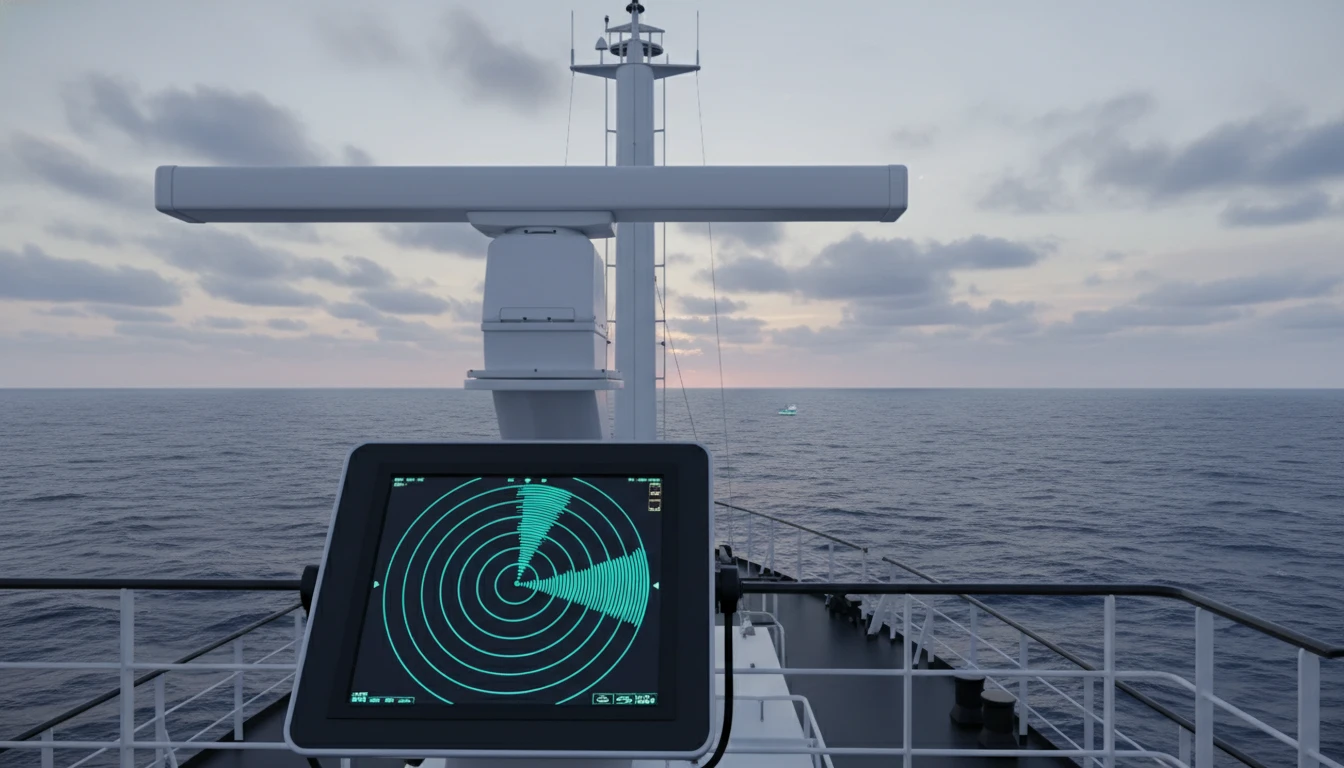
Radar, which stands for Radio Detection and Ranging, uses radio waves to detect objects and measure their distance. When I use radar on a boat, the antenna (or radome) sends out pulses of radio waves. These waves hit objects like other boats, land, or buoys, then bounce back to the radar receiver. By timing how long it takes for the signal to return, radar equipment calculates how far away the object is. The direction of the antenna at the moment the echo returns helps figure out the bearing.
With practice, I’ve learned to read a radar screen and quickly spot returns, also called echoes. The brightest echoes usually mean larger or closer objects. This technology works in total darkness, fog, rain, and snow. In these conditions, my eyes or even a pair of binoculars would fail me.
Benefits of Radar Technology in Navigation
I’ve come to rely on radar for more than just avoiding collisions. Here’s why radar is a practical tool for navigation:
- All-weather operation: Radar works through fog, rain, snow, and the darkness of night. This is super important because visibility can disappear without warning out on the water.
- Real-time awareness: With radar, I keep an up-to-date view of my surroundings. I don’t have to rely on guesswork or hope I’ve seen every boat heading my way.
- Collision avoidance: Radar alerts me to objects and vessels that may pose a threat, even if I haven’t seen them visually yet.
- Navigating tight passages: When entering harbors or narrow channels, radar can highlight buoys, docks, and other structures that I need to avoid.
In the past, I had a trip cut short because fog rolled in fast, hiding everything from view. The radar showed a clear picture, making it easy to adjust my course and stay confident.
Beyond basic safety, radar supports navigation planning in unfamiliar waters. During night crossings or in shipping lanes, the ability to spot fast-approaching targets or stationary obstacles is invaluable. For recreational boaters or commercial captains, radar offers peace of mind that can’t be replaced by visual spotting alone.
Best Radar Systems for Boats: What to Look For
With so many options, picking the right radar system for a boat can feel overwhelming. I’ve spent hours researching and comparing different systems. A few things have made a big difference for me:
- Range: Marine radar can vary in range, usually from a couple of miles up to over 24 nautical miles. If I do coastal cruising or offshore passages, longer range systems are worth considering.
- Display size: Larger screens make it easier for me to spot targets quickly, but space on a boat is often limited.
- Ease of use: Some systems are more userfriendly. Touchscreen displays, simple controls, and clear menus help new radar users feel confident.
- Integration with other instruments: Many of the best radar systems for boats connect with GPS chartplotters, AIS, and autopilots. Having everything displayed together saves time and avoids confusion.
- Power requirements: Power use matters, especially on smaller boats. Solidstate open array radars often draw less power, which helps preserve battery life on longer trips.
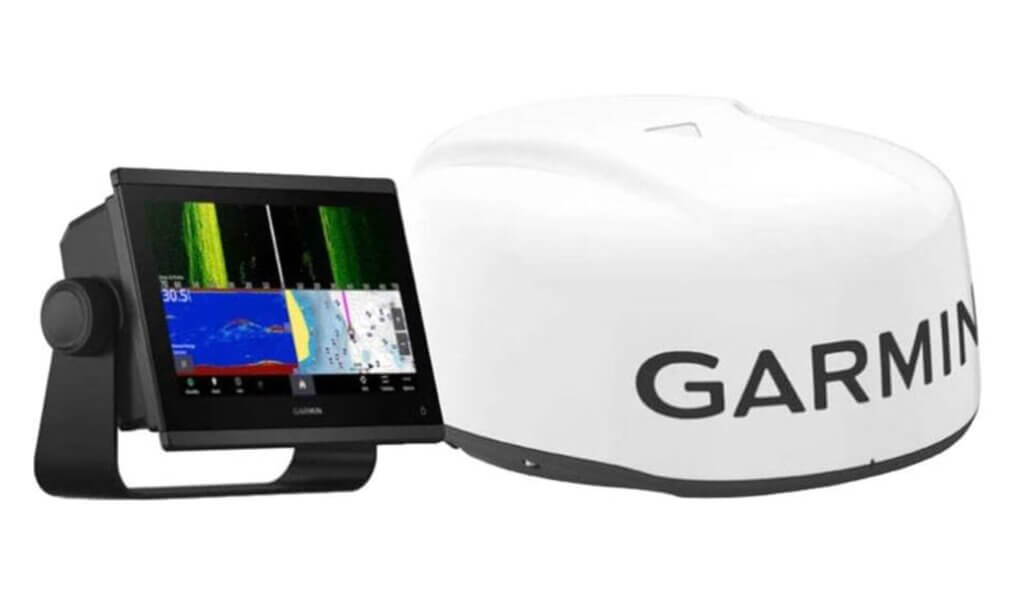
Brands I’ve used and trusted include Garmin, Furuno, Simrad, and Raymarine. Each manufacturer brings something unique, so the right radar for me also depends on the type of boat and my needs. For smaller boats or for those just starting out, I usually recommend compact radome models because they’re reliable, affordable, and easy to install.
It’s also essential to consider warranty and customer support. Some manufacturers offer on-site servicing, which can save time and hassle if something goes wrong. Before deciding, I check for software update capabilities, as frequent updates often improve performance or add new features.
Essential Features of Modern Marine Radar Systems
Marine radar has evolved over the years. Some features that have really improved my experience include:
- Automatic target tracking (MARPA): The system locks onto moving targets and tracks their speed, direction, and closest point of approach. I rely on this to monitor busy areas without getting distracted.
- Doppler radar technology: Some new radars use Doppler processing, coloring targets based on whether they’re moving toward or away from me. This makes it easier to spot fastapproaching hazards.
- Zone alarms: Setting up alarms for certain zones means I’m alerted if any object appears in that danger area. This comes in handy when relaxing at anchor or running at a steady speed.
- High resolution imaging: Better resolution helps display small or closely spaced targets more clearly, which is especially helpful around busy harbors or crowded marinas.
Not every radar system includes all these features, so I always match the features to the specific way I plan to use my boat. For offshore use, I prioritize longer range and tracking; for inshore, higher definition and integration with electronic charts matter more. These choices can mean the difference between a smooth adventure and a tense situation.
How Radar Improves Maritime Safety
Maritime safety is a big deal for me any time I leave the dock. Radar technology has played a real role in reducing accidents on the water. Here’s how it makes navigation safer:
- Early hazard detection: Radar spots other vessels, floating debris, and land well before I get close. This gives me more time to react and change course if needed.
- Night and low visibility navigation: In darkness or fog, visual cues are gone. Radar fills in those gaps so I can keep moving safely.
- Warning alarms: Many radars sound alarms if an object comes inside a preset radius, helping prevent crashes and close calls.
- Search and rescue: In emergencies, radar can help spot a person or object in the water, or guide search parties accurately.
Insurance companies sometimes offer discounts if a boat is equipped with radar, which shows just how much it contributes to safety on board. Authorities and coast guards around the world rely on radar to manage shipping traffic and respond quickly to emergencies. For commercial vessels, radar is mandatory under international regulations, highlighting its proven safety record.
Navigating with Radar Technology: Practical Use Tips
I know firsthand that using radar takes practice and attention. These basic steps have made radar navigation smoother for me:
- Set up the display: Adjust range and gain so that the radar image is clear. Too much gain will clutter the screen, while too little can hide useful echoes.
- Identify targets: Learn to distinguish real boats or land from rain, waves, or birds. Practice helps my brain “read” the screen faster.
- Monitor carefully: Scan the radar display regularly instead of just glancing from time to time. Things can change quickly on the water.
- Compare with visual cues: Always check radar images against what I can see, including GPS and paper charts. This builds confidence and catches confusion early.
- Use chart overlay: If my chartplotter supports radar overlay, I combine it with electronic charts so radar images appear right on the navigation screen. This makes it easier to spot errors or identify unknown targets.
For anyone learning to use radar, taking a hands-on navigation course can be really valuable. I learned the most by practicing on the water, starting in calm conditions, and asking more experienced captains for advice. Resources like online tutorials, manufacturer manuals, and simulations can build foundational knowledge before heading out.
Comparing Radar and GPS Navigation
I work with both radar and GPS navigation on most trips, but they do different jobs. I think about them like this:
- Radar tells me what’s around me right now. It’s a real-time picture of vessels, land, and other objects in my immediate area.
- GPS (Global Positioning System) tracks my exact position anywhere in the world. It shows me where I am, helps me plot a route, and marks my progress.
Radar doesn’t know my coordinates, and GPS can’t tell if another boat is coming over the horizon. Used together, though, these tools help me make safer choices. Some modern systems even integrate radar and GPS into a single multifunction display, making it easy to stay on top of everything at once.
When comparing radar and GPS navigation, I’ve found that learning the strengths and limits of each tool is really important for safe boating and smarter decisions. GPS excels at trip planning, route tracking, and waypoint management. Radar shines in real-time awareness, anti-collision, and navigating when visibility is poor.
How to Choose Radar Systems: Factors for Buyers
Choosing radar isn’t just about picking the most expensive model. When I’ve helped friends shop for radar or upgraded equipment myself, I always look at a few factors:
- Boat size: Larger boats usually have more space and electrical capacity for bigger, more advanced radar systems. Smaller boats benefit from lightweight, compact radomes.
- Navigation areas: Offshore cruising calls for longer radar range and higher resolution. Inland or coastal trips can often use more basic systems.
- Budget: Prices vary widely. Deciding what I need and what extras are worth paying for is really important to get good value.
- Installation and maintenance: Consider if you’ll do the installation yourself or hire a technician. Some systems are simple to install, while others may need professional help.
Careful research helps buyers make informed decisions. Reading reviews, talking with other boaters, or consulting a marine electronics dealer can bring clarity when making a purchase. Online forums and product demonstration videos are also helpful resources before spending serious money.
Don’t forget about ongoing maintenance and support. Checking if spare parts are available for the radar model you choose is wise. This can prevent long waits for repairs if something goes wrong mid-season.
Common Challenges with Radar Use (And How to Solve Them)
I’ve run into a few obstacles while learning to use radar systems. Here are common issues and how I’ve managed them:
- Interference from rain or waves: Precipitation and choppy seas can clutter the radar screen. Adjusting rain and sea clutter controls helps reduce these extra echoes and cleans up the display.
- Shadow zones: Large structures, like the boat’s mast or upper deck, can block radar beams and create blind spots. Installing the radar antenna in a high, central location minimizes shadowed areas.
- False targets: Birds, buoys, and even harbor markers can sometimes show up as moving targets. Double-checking the radar image against visual references or activating target tracking features helps sort real hazards from harmless blips.
Time on the water is the best teacher. If you’re new to radar, I suggest starting with simple situations, like practicing in good weather with plenty of open space. That way, the radar’s quirks become familiar before you need it in a high-pressure situation.
Learning Curve and Building Confidence
It’s normal to feel overwhelmed when first using radar technology in navigation. I started by taking it slow, making adjustments, and gradually building trust in the readings. Over time, interpreting patterns and matching the display with the real world became second nature. Having a trusted deck hand or instructor nearby while learning reduces stress and builds skill quickly.
Beyond Boating: Other Uses for Radar in Navigation
While I’ve focused mostly on marine radar, it’s used in many types of navigation:
- Commercial aviation: Airborne radar systems help detect weather, avoid midair collisions, and assist with landings during low visibility.
- Land vehicles: Modern cars use radar for adaptive cruise control and collision prevention.
- Search and rescue: Helicopters and rescue crafts use radar to locate missing people, spot overturned boats, or track down emergency beacons.
- Military and defense: Military vessels, aircraft, and ground stations use radar extensively for security and tracking operations around the world.
Scientific research also benefits from radar navigation. Arctic and Antarctic expeditions use radar to track shifting icebergs, and environmental monitoring teams use radar to map coastlines and track wildlife movement at sea. The adaptability of radar makes it indispensable far beyond basic navigation needs.
Radar’s ability to deliver a reliable picture in tricky conditions makes it invaluable for professionals and hobbyists alike. As technology continues to develop, more industries will stumble upon innovative uses for radar, from drone mapping to meteorology, where real-time detail makes all the difference.
Frequently Asked Questions
Some of the most common questions I hear when talking about radar technology in navigation are:
Question: Do I really need radar on my small boat?
Answer: If you usually stay on protected waters in good weather and daylight, radar is helpful but not always essential. However, for open water, night trips, or areas with poor visibility, radar adds a lot of safety and peace of mind.
Question: What maintenance does a radar system require?
Answer: I clean the antenna regularly and keep connections dry and tight. Annual checks by a technician keep radar working well and catch problems early.
Question: Can radar replace GPS?
Answer: No, radar and GPS are designed to do different things. GPS tracks location, while radar scans for physical objects. Using them together gives the best results for safe navigation.
Real-World Radar Success Stories
I’ve heard many stories where radar made a big difference, from safely crossing busy shipping lanes in thick fog to helping locate an unlit fishing boat at night. My own experience guiding a group through islands after sunset, relying entirely on radar to follow the contours of the coast, is a clear reminder of its practical value. Having radar aboard made the trip safer, less stressful, and more enjoyable for everyone.
On one occasion, I worked with a rescue team searching for a kayaker who went missing in poor visibility. The radar’s ability to spot small targets at a distance helped us track down the kayak, ensuring a positive outcome that wouldn’t have been possible by sight alone. Other boaters have shared similar stories where quick thinking and reliable radar readings kept everyone safe.
Final Thoughts: Radar’s Role in Modern Navigation
Radar remains one of the most trusted tools for navigation and safety at sea. It works alongside GPS, charts, and AIS to give a super detailed picture, allowing me to travel or work with more confidence. With clear benefits, practical features, and the security it offers, radar technology in navigation is worth serious consideration for any boater or mariner looking to build skill and safety on the water. As more advanced features become standard, radar will only get more userfriendly, helping both new and experienced navigators find their way with peace of mind in every condition.