Managing waste on ships is a critical issue for both environmental protection and safe operations at sea.
Every vessel generates waste, ranging from food scraps in the galley to plastics from packaging, oily water from machinery spaces, and sewage from the crew’s daily life. The volume and type of this waste impact marine health and influence the reputation of the shipping company. Based on my experience working closely with ship engineers and crew, I can confirm that solid waste management practices are crucial for maintaining safety and compliance. In this article, I am going to dig into sustainable waste management on ships, covering must know technologies, legal frameworks, everyday techniques, and practical solutions that really work for different kinds of vessels.
Understanding Waste Streams on Ships
The types of waste generated on ships can seem overwhelming at first, especially for larger vessels like cruise liners and container ships. I usually separate shipboard waste into these main categories:
- Garbage: This includes plastic, paper, food scraps, glass, wood, and packaging waste.
- Sewage: Wastewater from toilets, showers, and sinks.
- Oily Water and Bilge Water: Water contaminated with oil, usually from machinery spaces.
- Cargo Residues: Leftover materials after unloading cargo, which might be either hazardous or nonhazardous.
- Hazardous Waste: Batteries, paints, cleaning agents, and chemicals needing special handling.
Sorting waste types is not just about tidiness. Every waste stream requires tailored collection, storage, and treatment routines. Crew members quickly learn that sloppy separation means more work down the road and possible regulatory problems. So, getting the whole team behind solid sorting habits is essential.
Waste Management Regulations for Shipping Companies
International laws control how ships handle and dispose of waste. The International Maritime Organization (IMO) is the authority, and MARPOL Annex V spells out the main rules for ship generated garbage. Compliance is more than avoiding fines; it’s about showing responsible behavior that benefits the company’s reputation and future. Regulations require:
- All ships to keep detailed Garbage Record Books, logging every waste disposal event.
- Plastics must never be dumped at sea.
- Certain other materials can be discharged only under strict distances and rules based on both the waste type and local regulation.
- Sewage must be treated before discharge and only released at specified distances from shore under strict guidelines.
Inspections by Port State Control officers focus on these rules, so crews need sharp documentation and thorough training. Fines and detentions are frequent enough that regular review of procedures makes a major difference in day to day operations.
Sustainable Waste Management Practices at Sea
Adopting sustainable waste management at sea is about reducing environmental risk and keeping operations safe for everyone. In my experience, some of the most effective steps are:
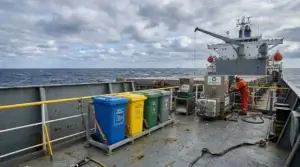
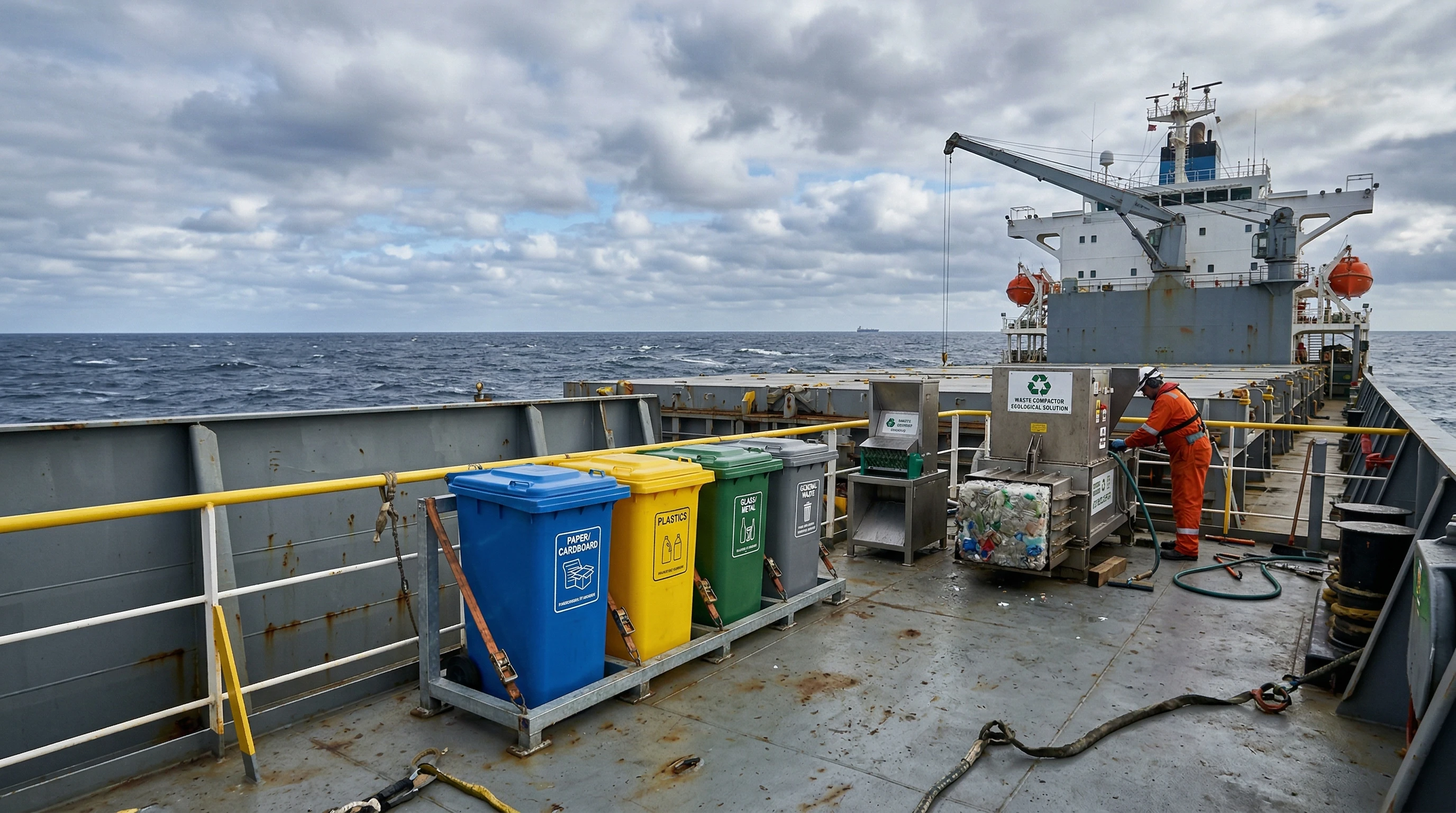
- Segregation at Source: Color-coded bins for plastics, glass, metals, and food waste placed wherever waste is generated keep contamination low from the start.
- Compact and Store: Compactors, shredders, and balers allow more material in tighter spaces, simplifying storage and offloading at port.
- Minimize SingleUse Items: Swapping out disposables for reusable containers and bulk options can cut garbage by a surprising amount.
- OnBoard Education: Crew training ensures everyone knows sorting rules and understands the “why” behind the process.
- Maintenance of Equipment: Keeping waste gear clean and in working condition prevents hygiene issues and system failures.
Sticking to these steps builds more reliable waste practices, no matter the vessel’s size or type.
Eye Catching Waste Management Technologies for Ships
Modern maritime waste handling now often relies on next level cool technology. Some ships are starting to put these technologies to work:
- Organic Waste Digesters: Turn food waste into water and safe organic compounds onboard, reducing storage stress and disposal trips.
- Incinerators: Burn certain types of garbage within strict emissions rules, reducing the waste left for disposal on land.
- Advanced Sewage Treatment Plants: Newer plants purify sewage so thoroughly that discharge is far less harmful to aquatic life.
- Automated Sorters and Sensors: Systems check and sort recyclables automatically, making sorting more accurate and less labor intensive for crews.
- Bioreactors: These use bacteria to break down oil and organic waste in water, allowing safer discharge with less pollution.
Mixing these high tech systems with training and monitoring helps operators reach higher eco friendly standards in waste handling at sea. Although installation can cost more upfront, I’ve seen savings in efficiency and compliance down the line.
Best Waste Reduction Strategies for Cruise Ships
Cruise ships produce immense amounts of waste thanks to thousands of passengers and tightly packed activities. Over several ship visits, I saw how public awareness and teamwork make or break these systems. Effective strategies on cruise ships include:
- Centralized Collection and Sorting: Clear signs and announcements help passengers and crew sort waste into the correct streams.
- Cutting SingleUse Plastics: Refillable bottles and boxed water instead of single serving plastic bottles are now common on many fleets.
- Composting Programs: Kitchen and restaurant food scraps are sorted for composting, sometimes processed on board or on land at certified port facilities.
- Teaming Up With Ports: Collaboration with home and destination ports allows cruise lines to recycle or dispose of waste far more responsibly.
Participation from ship guests is vital. Enthusiastic passenger involvement and frequent staff reminders go a long way to achieving high standards.
Actions to Meet Waste Management Certification
More shipping companies are aiming at environmental certifications, such as ISO 14001 or Green Award—to demonstrate commitment to sustainability. My observations show certified ships usually:
- Keep robust manuals and clear processes for handling different waste types.
- Regularly train crew and officers about environmental and safety standards.
- Carry out frequent audits, looking at records and the cleanliness of all waste areas.
- Encourage new ideas and feedback from every department and rank.
Certification programs do more than impress regulators; they lift crew morale and foster a shared sense of purpose for ocean protection.
Shipboard Waste Management, A Step By Step Practical Guide
Day to day routines are essential for handling ship waste efficiently. Here’s a go to checklist widely used across the industry:
- Identify Waste Streams: Analyze working areas to spot and record all waste types generated.
- Install Collection Points: Labeled containers set up throughout the ship make sorting easy in busy spots like mess rooms, kitchen galleys, engine areas, and workstations.
- Daily Collection and Sorting: Crew follow set schedules to clear bins, bring sorted waste to central storage, and double check separation rules are followed.
- Treat On Board: Use approved incinerators, compactors, or digesters. Record all actions accurately as part of inspection readiness.
- Stage for Port Disposal: Ensure bagged and processed waste is properly stored and no unauthorized dumping occurs at sea or in port facilities.
- Inspect and Maintain: Routine supervisor checks catch overlooked waste or early equipment trouble.
This consistent approach keeps things organized, even during emergencies or peak operations, and reduces risks linked to hasty or improper waste disposal.
Emerging Trends, Up And Coming Ship Waste Solutions
Marine waste handling is evolving fast. Noteworthy trends that I’ve seen in recent years are:
- Smart sensors for bins and waste rooms automatically log fill levels and alert staff to equipment breakdowns in real time.
- Waste to energy units that convert heat from incineration into power for the ship help shrink the carbon footprint.
- Environmental dashboards installed on newer vessels keep everyone informed about recycling rates, reduction targets, and progress day by day.
- Reusable supplier packaging programs that eliminate unnecessary new packaging from each resupply event.
Going digital with waste records is another big upgrade. This makes it much easier to prepare for regulatory checks and track waste streams throughout the voyage.
Common Problems and Solutions on Ships
- Limited Storage: Smaller ships may have little space for sorted waste. Frequent port offloads and closely managed inventories make a difference.
- Crew Turnover: Training new staff is always a challenge. Short, repeat training sessions plus simple guides by the waste bins help keep everyone on track.
- Language Differences: Many international crews need easy to understand visual signs and diagrams, so sorting areas are clear no matter someone’s language skills.
- Remote Itineraries: Long voyages demand backup gear and flexible plans for extra waste storage or system repairs.
With careful planning and teamwork, shipping companies keep these common headaches from growing into major headaches or enforcement actions.
Oily Water and Bilge Handling
Improper bilge water management is a frequent reason for ship fines during inspections. On most ships, oilwater separators are mandatory for cleaning water before legal discharge. Maintenance routines on these systems are a must: testing before every discharge, keeping sample logs, and adjusting draining schedules based on trip duration and bad weather.
Separation and Recycling of Plastics
Singleuse plastics and excess packaging get special attention now that many ports have strict recycling programs. Ship crews can reduce onboard plastic waste by asking suppliers to switch to alternative packaging where possible. It’s also helpful to assign crew roles for bin checks and encourage everyone to work together on reducing waste output.
Frequently Asked Questions
Here are the answers to a few questions I am often asked about waste management on ships:
What happens to sorted and stored waste once the ship reaches port?
Waste that has been collected, sorted, and recorded is delivered to certified port reception facilities. Experts there handle treatment, recycling, or final disposal in line with global and regional policies.
How can small cargo vessels improve their sustainable waste routines?
Even with size constraints, these ships benefit from colorcoded bins, ongoing refresher training, and minimizing supplies brought onboard. Linking up with local ports for more frequent waste offloading pays off too.
Are there penalties for incorrect waste management on ships?
Definitely. Ports issue fines, delay departures, or even ban ships for poor record keeping, improper discharge, or unsafe work areas. Keeping things orderly is the best prevention.
What’s the difference between burning and compacting waste?
Compacting simply squashes waste to save space. Incineration burns specific waste types under controlled conditions, drastically reducing waste volume but needing strict monitoring to avoid pollution.
Wrapping Up, Waste Management Tips for Ship Operators
Good waste management at sea is about more than ticking boxes. It’s about building strong routines, lifting crew pride, and supporting ocean conservation. Consistent routines, continuous improvement, and new tech can set ships apart for safety, efficiency, and environmental stewardship. Even small changes like introducing an extra collection spot or reducing one use products can make a difference within a short timeframe.
Ultimately, the support and teamwork of every crew member drive the best results. Making waste management a team habit pays off in safer, cleaner trips and the satisfaction of helping to keep the seas blue for everyone.