Using survival suits and emergency equipment is a major part of life at sea.
I’ve spent years working with ship safety routines and know that the right choices and good preparation save lives when things get tough. If you’re new to this topic or want to brush up on everything from how survival suits work in emergencies to building a survival equipment checklist for ships, you’ll find this guide helpful and easy to follow.
Why Survival Suits and Equipment Matter on Ships
I always remind myself that the sea is unpredictable. Weather can change quickly and ships can face accidents or orders to abandon ship at any time. That’s why the importance of survival suits on ships isn’t something I take lightly. These suits and supporting gear give crew and passengers a real chance at survival if they have to leave the vessel in cold or rough waters.
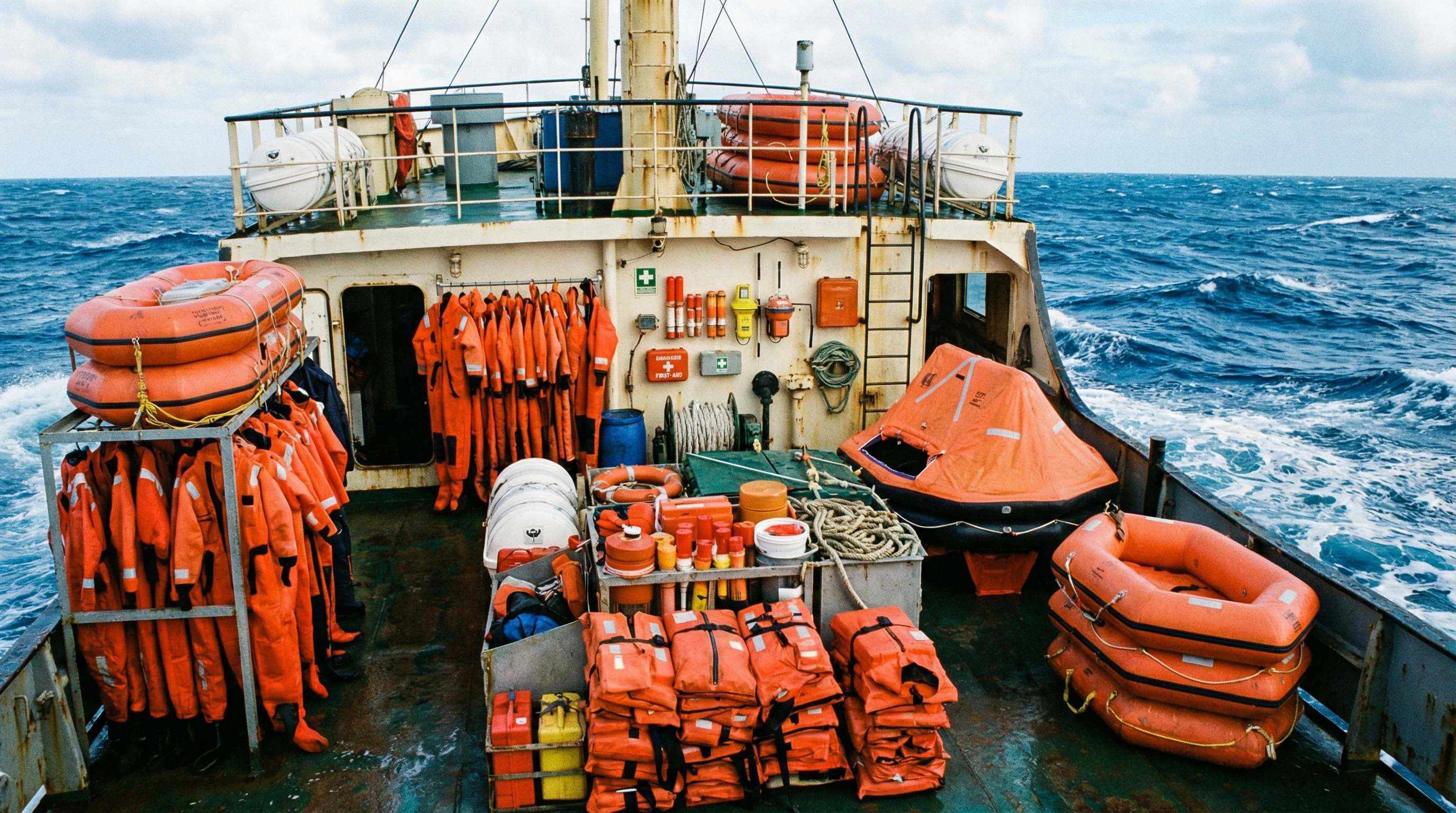
Regulations require ships to carry lifesaving equipment. But beyond legal requirements, using the best survival equipment for shipping makes a real difference in an emergency. Survival suits, life jackets, immersion suits, lifeboats, and signaling devices are the core of any ship’s emergency preparedness. All these tools work to keep people safe from hypothermia, drowning, and exposure while rescue teams are on their way.
Understanding Survival Suits, How They Work in Emergencies
When I put on a survival suit, I’ve always noticed the heavyduty, waterproof material that seals out cold water and wind. The key function of any ship survival suit is protection against hypothermia. These suits are designed to keep you afloat and maintain your body temperature, even if you end up in freezing seas. Straps, zippers, tight face seals, and built-in boots and gloves help keep water out and warmth in.
Some suits come with high visibility colors and reflective patches to make it easier for rescuers to spot people in the water. Many models also include integrated lights or emergency whistles. All these features together improve survival suit effectiveness in water and can greatly increase your chances if something goes wrong.
From my experience in drills, putting on the suit quickly and correctly is super important. Practicing with the gear beforehand means that muscle memory kicks in if an alarm goes off. Crew members who know how their suit works through regular hands on drills are more likely to respond calmly during emergencies.
Types of Survival Equipment Found on Ships
Ships need more than just suits. Here’s a straightforward breakdown of a survival equipment checklist for ships that I rely on aboard merchant or passenger vessels:
- Survival Suits (Immersion Suits): Keep the wearer warm and dry during water immersion.
- Life Jackets: Provide buoyancy to keep your upper body above water.
- Lifeboats and Life Rafts: Inflatable or rigid boats for abandoning ship, equipped with survival food, water, and first aid kits.
- Pyrotechnics (Flares, Smoke Signals): Attract rescue teams’ attention.
- EPIRBs (Emergency Position Indicating Radio Beacons): Send distress signals showing the location of survivors.
- First Aid Kits: For treating injuries and medical emergencies at sea.
- Thermal Blankets: Offer extra insulation inside lifeboats or rafts.
- Drinking Water and Food Rations: Sealed supplies for use inside rafts and boats in rescue situations.
Additional items, like handheld radios, flashlights, and whistles, are useful even if they aren’t always strictly required. Making sure all crew and passengers know where to find and how to use each piece of equipment takes safety up a notch.
Regulations and Standards, What Ships Must Follow
Every ship, whether cargo or passenger, needs to follow survival suits regulations for maritime travel. International laws, such as SOLAS (The International Convention for the Safety of Life at Sea), lay out the minimum requirements for the kind and quantity of survival equipment carried. I always check that my vessel has a current inventory that matches both local and international rules.
Survival suits are assigned based on expected water temperatures along the voyage route. For example, ships crossing cold seas must carry immersion suits for every person onboard. Regular inspections and maintenance checks make sure that suits, life jackets, and rafts stay up to standard. These checks cover looking for tears, damaged zippers, or expired signaling devices. Keeping up with these details means nothing fails when it’s needed most.
Port authorities and safety inspectors often board ships without warning. In my experience, being able to show up to date, wellmaintained survival gear always leads to smoother inspections and far less stress for everyone involved.
How to Choose a Survival Suit for Ships
Choosing the right suit is not a description that fits everyone equally. When considering how to pick a survival suit for ships, I look at comfort, the correct size for different body types, and the suit’s thermal performance. Material selection is important, neoprene is popular for its insulation and durability, while lighter options are better suited for warmer seas. Closures and fastenings must be easy to handle even with wet or cold hands. Highvisibility colors and reflective strips are musthaves since they boost your visibility to rescuers.
It’s also important to check the storage space on board. Survival suits can be bulky, so planning for where and how they’re stored, usually near muster stations, matters just as much as picking the suit itself. Finally, I always check user instructions and manufacturer recommendations so everyone can put their suits on quickly, even under stress.
Quick Steps for Survival Suit Use in Emergencies
When immediate action is needed, being fast and accurate can save lives. Here’s what I follow when using a survival suit in a crisis at sea:
- Find the suit and check for any obvious damage or missing parts.
- If needed, take your shoes off, then step into the legs first as directed.
- Pull the suit up to your shoulders and slide your arms into the sleeves.
- Pull the zipper all the way up to keep out water.
- Secure the face flap, gloves, and boots, making sure no skin is left bare.
- Gather at your assigned muster station and pay attention to instructions from the crew.
Repeated drills and practice make these steps second nature, reducing panic and boosting confidence in a real emergency.
Common Challenges and How I Address Them
Relying just on equipment has never been enough for me. Over the years, certain issues keep coming up:
- Suit Sizing: A suit that doesn’t fit will either let in water or restrict movement. Always keep a full range of sizes aboard for everyone.
- Maintenance: Neglected suits can get rot, jammed zippers, or lose reflective strips. Setting up a monthly inspection helps catch issues before they get worse.
- Training: Sometimes new crew get nervous putting on suits during drills. I schedule extra training, especially for those unfamiliar with the gear.
- Storage: Tossing suits in random places or near heat sources will wear them out fast. I store suits only in cool, dry, marked locations on board.
Dealing with these challenges before they become big problems is a sign of a ship that puts safety first.
Spotlight on Survival Suit Effectiveness in Water
I’ve watched drills during calm and wild seas alike. The impact of a wellfit, wellcaredfor suit is clear. Good survival suits block cold shock, keep people floating, and boost morale since the wearer feels safer. In cold water, just a few extra minutes of retained body heat can mean the difference between a rescue and a disaster. Studies and realworld reports show that survival suits boost survival rates, even when people have to wait a long time for help to arrive.
Practical Survival Equipment Checklist for Ships
I like to keep my own checklist straightforward but thorough, double checking each item before departure and during routine checks. Here’s what I include in every survival equipment checklist for ships:
- One survival suit for each person, covering every body size onboard
- One SOLAS approved life jacket per person
- Inflatable life rafts, enough for everyone on board
- Lifeboats, as specified by international rules
- Distress flares and smoke signals, within their expiry date
- EPIRBs and handheld VHF radios with tested battery life
- Thermal blankets, one for each individual
- Waterproof first aid kits, always restocked
- Emergency food and drinking water in sealed packaging
- Reliable flashlights or headlamps with new batteries
- Whistles and signal mirrors
Having this checklist means everyone is covered, with no gaps when it counts most.
Advancing Your Safety: Pro Tips for Crews and Ship Owners
Creating a true safety culture takes real dedication. Here’s what I focus on to keep safety a top priority on any ship:
- Review and practice emergency drills regularly. Even the most seasoned member benefits from a routine brushup.
- Keep your equipment up to date as newer models come onto the market. Lightweight gear and the latest signaling tools can give you an advantage.
- Work with certified and trusted survival gear suppliers. Good vendors back you up with advice, replacements, and easytofollow instructions.
- Use clear signs and markings throughout the ship to make survival gear easy to find, even when you’re under pressure.
- Make it easy for anyone to speak up about damaged or missing equipment, and keep those conversations open.
By following these best practices, I can feel confident that my team and I are truly prepared for almost anything out at sea.
RealWorld Applications of Survival Suits and Equipment
I remember a situation where a cargo ship’s engine caught fire, forcing an evacuation into the icy North Atlantic in winter. Crew members, wearing full survival gear, stayed in the freezing water long enough for helicopters to find and rescue them. This case really proves why solid survival suit effectiveness in water, matched with plenty of training, gives you the confidence to face the worst situations.
From my direct experience, routine training, strong maintenance routines, and a real commitment to safety make more of a difference than the costliest equipment. Knowing the proper way to use every piece of survival gear on board really can save lives, whether it’s a drill or a real crisis.
Frequently Asked Questions
What’s the most important feature to look for in a survival suit for ships?
I pay close attention to thermal protection, how bright and visible the suit is, and getting the right size for each person on board. Those are the big factors that keep you safe and spotted in cold water.
How often should survival equipment on ships be checked or replaced?
Regular monthly checks keep everything in peak condition. If I see any wear, or an expiry date passes, I swap the item for new gear right away.
Are there special regulations for survival suits depending on where a ship sails?
Yes. If you’re sailing colder waters, each person needs an immersion suit. In warmer areas, the requirements may be more relaxed, but it’s best to look up the latest SOLAS and national guidelines for your destination.
Can survival equipment be used by nonprofessional crew or passengers?
Definitely. That’s the whole point of clear instructions and hands on practice. I urge everyone, not just the crew, to get involved in safety training before a trip.
Final Thoughts
Survival suits and emergency equipment are your go-to defense when sea conditions turn harsh unexpectedly. What I’ve learned is that real preparation, careful gear checks, honest inspections, and hands on drills, locks in a much stronger sense of safety for everyone onboard. Get the right gear, understand how it all works, and stay practiced: with those steps, you put your ship and its people in the very best position during an emergency at sea.