
Shipping is moving quickly toward a greener future. Green shipping innovations are leading this switch up, and I see more focus than ever on how these ideas are changing marine transport.
The goal is clear: make shipping less polluting and much more energy efficient. In this article, I want to highlight how clean shipping is showing up in our ports, share some of the coolest innovations I’m seeing right now, and break down what these changes really mean for both the industry and the environment.
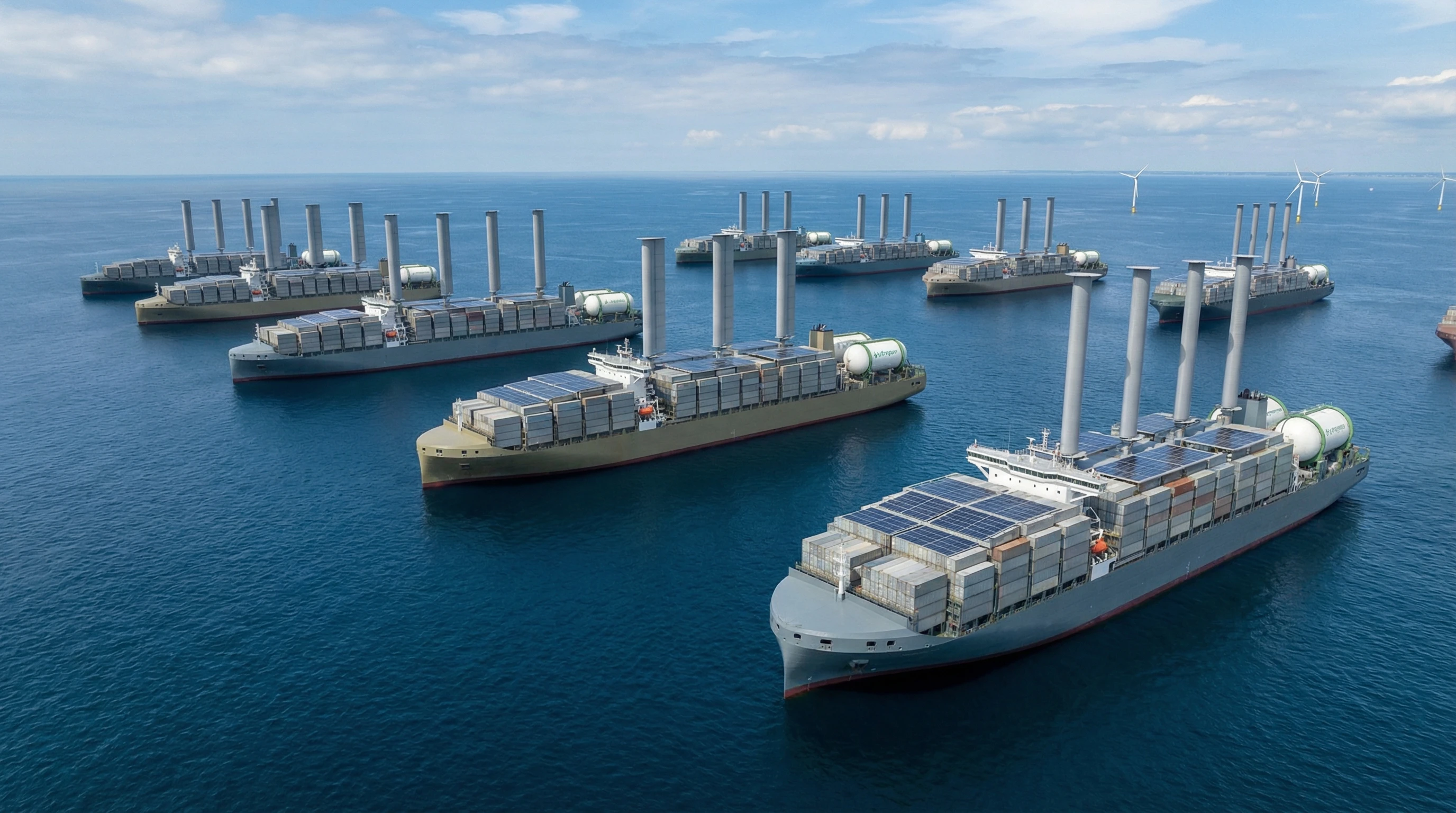
The Push Toward Ecofriendly Marine Transport
Shipping has always been a centerpiece of global trade, moving about 90% of world goods according to the International Maritime Organization (IMO). But its environmental impact is impossible to ignore. Ships are responsible for nearly 3% of global greenhouse gas emissions. This is where the future of ecofriendly shipping comes in. Regulators, companies, and everyday people are calling for change, and green shipping innovations respond directly to those calls.
The IMO has laid out targets to cut emissions by at least 50% by 2050 compared to 2008 levels. These guidelines have sparked investments in new fuel types, propulsion systems, and smarter ship designs. Every new solution is one more step toward cleaner marine transport. As I follow these changes, I find some are already being used, while others are just on the horizon but hold real promise for the future. Many industry insiders are optimistic about the steady transformation, pointing to the growing adoption of all in one regulatory frameworks aimed at supporting greener standards.
Exploring the Latest Green Shipping Innovations
Clean shipping isn’t a single idea but a wave of smart changes. When I talk about green shipping innovations, I’m focusing on technology and methods that directly shrink pollution and improve fuel efficiency. Here are some of the main types I find interesting:
- Alternative Fuels: LNG (liquefied natural gas), biofuel blends, green methanol, hydrogen, and even ammonia are trending. Each brings its own advantages and challenges for real-world use.
- Batteries and Electrification: Fullelectric ships are rare for ocean crossings but are getting popular for ferries and short-haul cargo. Hybrid systems, which combine batteries with traditional engines, help reduce emissions and fuel needs.
- Wind Assisted Propulsion: Large sails, rotors, and kites are making a comeback. This time, they’re acting as hightech helpers, not relics. These innovations help ships tap into wind power as a natural boost to their engines.
- Hull Design and Coatings: Smoother, low resistance hulls and antifouling paints cut drag and save fuel, lowering emissions across fleets.
- Onboard Efficiency: Smarter route planning, speed optimization software, and digital sensors can cut fuel use by up to 10%.
Electricpowered container ships like Yara Birkeland from Norway are already running, using battery packs the size of shipping containers. Wind-assist innovations, such as those by Norsepower, attach massive spinning rotors to ships, adding thrust and cutting fuel use by as much as 8% in some trials. For me, these kinds of breakthroughs signal a big switch up in how the industry views technology and sustainability.
Another interesting frontier includes 3D-printed spare parts and modular add-ons that are reducing downtime and waste. Pairing these with artificial intelligence-driven logistics enables ships to adapt faster to changing sea conditions, squeezing out even more energy savings.
Sustainable Marine Transport Solutions for Ports and Beyond
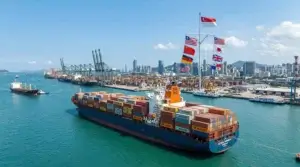
Making ships greener is just the start. Ports are also making big moves. Shore power, known as cold ironing, lets docked ships plug in to local electricity, often renewable, so they can turn off their diesel engines. I’ve seen busy ports like Los Angeles and Rotterdam install these systems, cutting pollution near cities and saving fuel.
Another marine transport solution is digitalization. Ships now use smart monitoring systems to track everything from fuel burn to weather and traffic. Realtime data helps crews make better choices and supports emission reduction targets. In my experience, companies investing in both onboard upgrades and smarter port operations see faster payoffs and less waste.
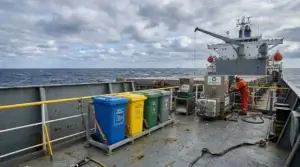
Port operators, too, are switching things up by adding electric cranes, lowemission vehicles for cargo handling, and energy efficient lighting across terminals. Even waste management at ports is being transformed through advanced recycling and water treatment tech. These holistic upgrades are turning ports into green hubs, setting new standards for shipping’s entire supply chain.
Comparing Clean Shipping Technologies, What Works Best?
Choosing the right green shipping technology depends on ship type, route, and budget. Here’s a quick comparison of the leading solutions so you can see what suits different needs:
- Alternative Fuels: LNG and methanol are easier to store and use, but hydrogen and ammonia hold more long-term potential for zero emissions. Biofuels can fit in existing engines but may be less available and more expensive.
- Battery Power: Great for ferries and short trips but limited for long voyages due to battery weight and cost.
- Wind Assisted Systems: Rotors, rigid sails, and kites require extra installation costs but work well on open sea routes with steady wind patterns.
- Hybrid Engines: Combine batteries with traditional engines, offering flexible benefits and easier retrofitting for older ships.
- Digital Efficiency Tools: Useful for all ship types, these systems have low upfront costs and quick returns by saving fuel and streamlining maintenance.
Most large shipping companies are moving toward these upgrades together, mixing technologies to get the best balance between cost and impact. My view is that no single technology will win everywhere; flexibility and combining options seem to be the proven path forward. Specialized solutions, like solar panels for onboard electronics, are also being experimented with to squeeze out every possible efficiency.
Top Companies in Clean Shipping
Many leading shipping companies are investing in sustainable marine solutions. Some names I track regularly:
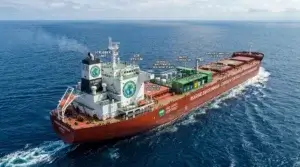
- Maersk: Denmark-based Maersk is investing in methanol powered ships and aims to run a carbon neutral fleet by 2040. Their first green methanol container ship set sail in 2023.
- CMA CGM: This French company is leading with LNG powered vessels and investing in biofuel and hydrogen projects. Their “energy transition coalition” partners with engine makers and ports for wider change.
- NYK Line: A Japanese operator focusing on wind assist tech and hybrid battery solutions, NYK has tested unique wind rotors and regularly updates its sustainability targets.
- Yara International: The Norwegian brand behind the Yara Birkeland, a zero emission autonomous electric ship, showcases what’s possible with strong investment and public-private partnering.
I notice that top companies in clean shipping tend to invest not only in big, new ships but also in upgrading their existing fleet. This commitment takes the pressure off waiting for all new ships to be built. Moreover, some companies have launched green shipping incentives for customers willing to pay extra for lower emission logistics, spurring further adoption industrywide.
How Green Shipping Technologies Will Change by 2026
The next few years will bring even more progress. For 2026, I expect to see:
- More ships running on green methanol, ammonia, or hydrogen thanks to expanding fuel infrastructure.
- Battery technology advances, making electric ships viable for longer routes and larger vessels.
- Automated, and even autonomous, ships using digital sensors to optimize every aspect of their operation, from steering to fuel use.
- Bigger use of wind power helpers on larger cargo ships, proving their value for both retrofits and new builds.
- Ports focusing on renewable shore power and better digital connectivity, ensuring the whole supply chain gets greener together.
Companies are investing earlier than ever, as regulatory deadlines and customer demand make clean shipping tech less risky. It feels like 2026 will be a year when many of these innovations move from experimental to normal, especially in Europe and East Asia. Furthermore, collaboration between shipping lines, governments, and technology providers is speeding things up, bringing new solutions to market at a faster pace than ever before.
What to Watch: Challenges in Ecofriendly Shipping
Transitioning to sustainable marine transport solutions is not without its issues. From the feedback I hear, there are a few hurdles:
- High Initial Costs: New technologies, alternative fuels, and ship retrofits all require upfront spending that not every operator can handle easily.
- Fuel Availability: Not every port has easy access to new fuels, especially hydrogen and ammonia, which need special handling.
- Regulatory Uncertainty: Changing global and regional laws can slow progress, as companies sometimes hesitate to invest until there’s more clarity.
- Technical Limitations: Battery life, storage, and retrofitting old ships all come with technical challenges. Experience shows these solutions are easier for new ships than aging ones.
Even with these issues in mind, the overall direction is clear to me. The sector is motivated by both environmental concern and market demand, and new ideas keep gaining ground as more success stories are shared.
In addition, workforce training is a growing need. Crews must be comfortable with new tech, everything from smart sensors to alternative fueling must be operated by sailors who are ready to adapt. Investment in training programs is rising as a result, helping smooth the way for a more talented, future-ready workforce.
Battery Power Limitations
Electric power is an eyecatching headline but comes with its own set of limits. Current batteries are big and heavy. Ferries benefit the most, while cross ocean ships are still waiting for technical improvements. Companies like Corvus Energy are developing marine batteries that pack more power into smaller packages, which might open doors to longer, cleaner ocean voyages in the near future.
Disposal and recycling of old batteries is another challenge, improved systems for reclaiming and recycling battery materials are being researched to make sure this green shift doesn’t generate new environmental problems.
Fuel Availability and Infrastructure
Switching to green fuels means building new refueling stations at major ports. The world is in the early stages of this rollout. I see LNG and methanol getting quicker support than hydrogen and ammonia due to current safety standards and technical needs. Global agreements and funding are speeding things up, but the rollout remains patchy. Coordinated international policies and investment will be key in making these fuels mainstream.
Impact of Green Shipping on the Environment
The payoff for all these changes can already be seen, especially in port cities and coastal regions. Cutting ship engine emissions leads to cleaner air and fewer health problems for people living near busy shipping routes. According to the International Council on Clean Transportation, shore power can cut particulate emissions by up to 95% while a ship is docked.
On the ocean, less fuel use means direct cuts to carbon and sulfur pollution. Environmental groups point out that smart shipping tech can slash a single ship’s yearly emissions by as much as several thousand tons of CO2. Cleaner shipping also helps protect marine ecosystems, lowering oil leaks and cutting noise pollution for sea life.
I believe these benefits go far beyond shipping itself, pushing entire supply chains to look at ways they can reduce waste and promote renewable energy. It’s a powerful, ongoing change that touches almost every part of the logistics industry. As more ports and carriers set aggressive netzero goals, we can expect ripple effects that help improve both global health and ocean preservation for decades to come.
Practical Tips for Shipping Companies Looking to Go Green
- Start with Energy Audits: Identify where the most fuel and energy is used, then target those areas for upgrades.
- Retrofit Wisely: Focus on proven upgrades like hull cleanings, propeller improvements, and digital optimization tools while waiting for broader fuel infrastructure.
- Partner for Progress: Working with fuel suppliers, ports, and tech providers helps companies access new tech faster and share the risk.
- Monitor Results: Make use of digital tracking tools to watch performance and show your progress to customers.
For smaller operators, even basic steps, like slowing down, regular hull cleaning, and using energyefficient lighting on board, can make a noticeable difference. These actions build a path toward future, bigger investments. Taking advantage of government grants and sustainability incentives can help offset the costs and speed things up for companies just starting out.
Frequently Asked Questions
People often ask me what the path to green shipping really looks like. Here are answers to a few common questions:
Question: What is the most promising green shipping fuel?
Answer: Green methanol and LNG are widely adopted right now. Hydrogen and ammonia are growing fast, but need more infrastructure. The right fuel will depend on regional access and longterm investment.
Question: Can older ships be upgraded to use green tech?
Answer: Yes, though results vary by ship age and type. Hull improvements, digital tools, and even some hybrid systems can be retrofitted fairly easily, while alternative fuels may require bigger changes.
Question: How soon will clean ships replace the old ones?
Answer: Ship lifespans are long; 20 to 30 years. Expect to see a mix of new builds and retrofits over the next decade, with major strides by 2030 as rules tighten and costs come down.
Question: What role can ports play in speeding up green shipping?
Answer: Ports can upgrade infrastructure, support clean fuel distribution, offer shore power, and incentivize cleaner vessels docking at their terminals. Collaboration among ports worldwide is essential for setting new green standards faster.
Looking Ahead: How I See the Future of Green Shipping
Every time I talk to people working on green shipping, I hear the same thing: progress is steady, and optimism is growing. More innovation and investment keeps coming in. I expect the future of ecofriendly shipping to include smarter, cleaner ships on the water, more renewable power on shore, and a whole industry working together on big changes.
Watching these switch ups closely, I trust that clean marine transport solutions will soon be standard, not special. This is a key part of protecting the climate while still moving goods around the world, and it’s eye catching to see so many creative solutions already starting to make a difference.

I appreciate how you highlighted that green shipping is not about a single breakthrough fuel but rather a combination of alternative fuels, digital optimization, wind-assist systems, and smarter port infrastructure working together. From what I have seen in other industries, the biggest gains often come from layering efficiency tools first, then transitioning to cleaner energy sources once the economics make sense, so your emphasis on hybrid approaches feels realistic. I am especially interested in how quickly fuel infrastructure for green methanol and ammonia will scale globally, since that seems to be the tipping point for making sustainable marine transport the default rather than the exception.
That’s a really thoughtful observation, I completely agree with your point about sequencing.
One of the biggest misconceptions around green shipping is the expectation of a single “silver bullet” fuel. In reality, as you noted, the more durable path looks like layered optimization: first squeeze out inefficiencies through digital routing, hull design improvements, wind-assist systems, and port electrification, then transition toward lower carbon fuels as infrastructure and economics mature.
We’re already seeing major carriers like Maersk commit to green methanol-powered vessels, which helps create early demand signals. At the same time, fuel suppliers such as Yara International are investing in ammonia production and bunkering pilots. But the real inflection point, as you mentioned, hinges on coordinated infrastructure build out, production, storage, global bunkering standards, and port retrofits all moving in sync.
Green methanol likely scales faster in the near term because it’s easier to handle within existing fuel logistics frameworks. Ammonia has strong long term potential, particularly for deep sea shipping, but safety standards, engine technology, and global bunkering networks still need wider deployment before it becomes mainstream.
Historically, heavy industries transition in phases:
Efficiency and digital optimizationHybridizationFuel switching once supply chains stabilizePolicy alignment accelerating adoption
Shipping appears to be following that same pattern.
If infrastructure expands rapidly in major hubs over the next 5–10 years, especially in Europe and Asia, we could see sustainable fuels move from niche adoption to default choice on newbuild vessels. Without that coordination, though, fleet operators may hesitate to commit fully.
Curious whether you see policy (carbon pricing, IMO regulation, fuel standards) or private capital driving that tipping point faster?