Ships are the backbone of global trade, carrying goods and people across vast oceans. At the heart of their relentless operation are two key systems: cooling and lubrication.
These systems work round the clock to keep powerful ship engines running smoothly, minimizing breakdowns, and maximizing efficiency. Understanding how they function isn’t just for compliance or cost savings. It’s essential knowledge for ship engineers and marine professionals in 2026 and beyond, where cutting edge tech meets ever tighter regulation. Here, you’ll get hands on advice, real-world tips, and the essentials of ships cooling and lubrication systems, all tailored for modern marine needs.
How Ships Cooling Systems Work and Why They Matter
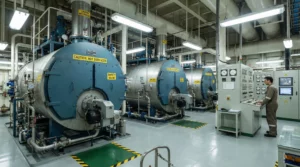
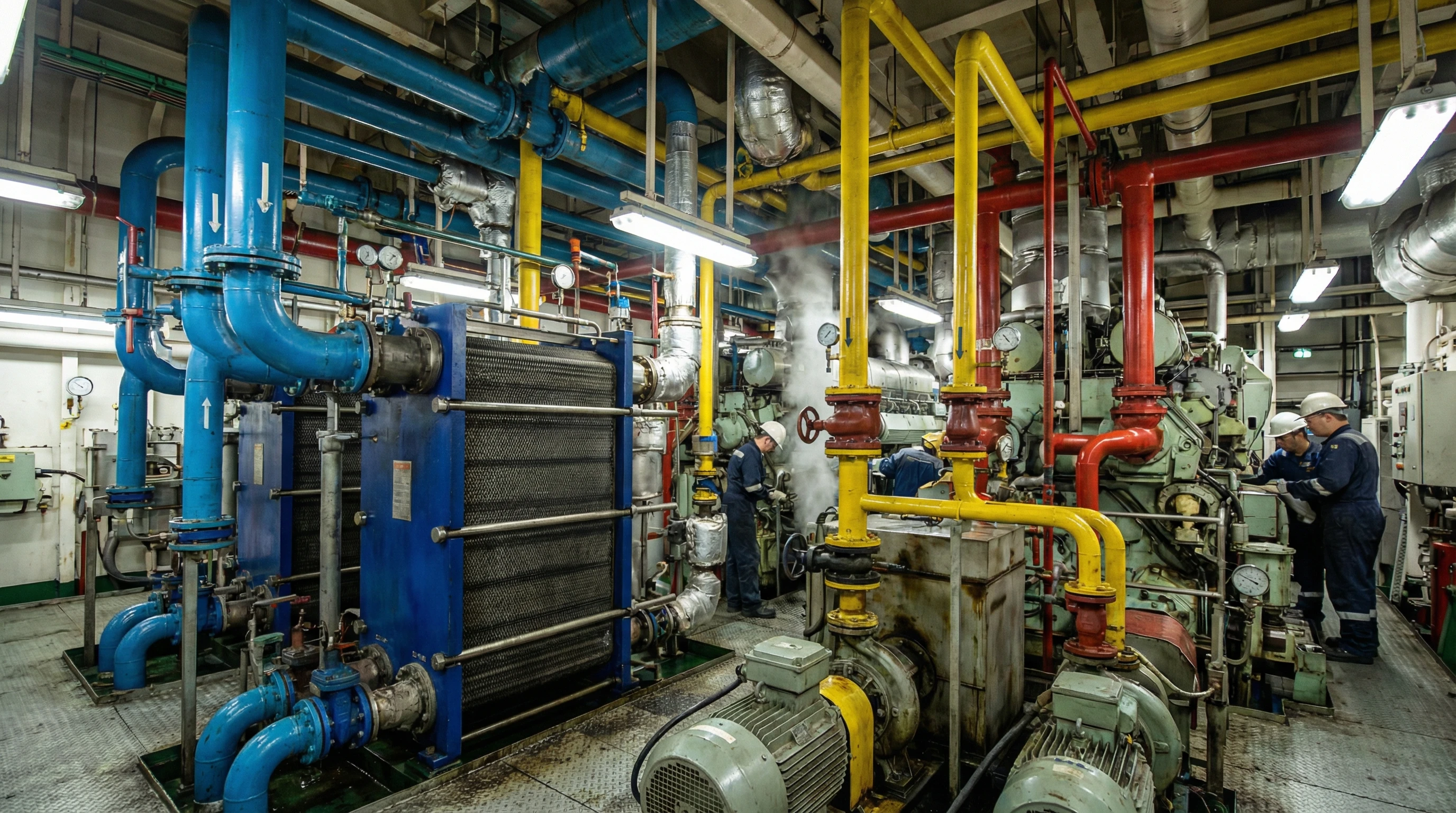
If you’re in the engine room or overseeing maritime operations, a strong grasp of cooling systems is vital. Ship engines, especially modern high output models, generate massive amounts of heat. Without effective cooling, everything from minor inefficiencies to catastrophic failures can occur. When temperatures soar, metal parts warp, lubricants break down, and the risk of engine seizure skyrockets. Understanding ships cooling systems in 2026 equips you for the next wave of marine technology, where precision and efficiency set the pace for success.
Ships typically rely on both closed and open cooling circuits. In the closed circuit, freshwater coolant continually cycles through the engine, pulling heat away and transporting it to a heat exchanger. Here, the open circuit takes over as seawater flows through the heat exchanger, absorbing the heat before being pumped overboard. This twin loop approach shields the engine from direct seawater exposure, reducing corrosion while ensuring stable operating temperatures.
Recent advances bring digital technology into the mix. Sensors track coolant temperature, pressure, and flow, feeding critical data to bridge displays and alarm systems. This allows instant reactions to sudden temperature hikes, minimizing the chance of major breakdowns.
Main Types of Ship Cooling Systems Explained
Thinking of cooling options, ships mainly use two approaches, direct and indirect cooling.
- Direct Cooling: Seawater is pulled straight into the engine’s cooling passages, absorbing heat before release back to the ocean. It’s simple and works well for small boats or older vessels, but exposes components to fouling and saltwater corrosion.
- Indirect Cooling (Freshwater Circuit): Freshwater flows through the engine block, heated as it cycles. The heat moves to a seawater-cooled heat exchanger where it’s released. This protects engine parts, prevents mineral buildup, and is now standard in large or new ships.
Some ships even combine these systems: for example, using direct seawater cooling for specific parts like intercoolers or auxiliary machinery, providing flexibility based on operational needs and voyage type.
Overview of Lubrication Systems for Ships
Lubrication systems provide a thin oil film between moving parts, which minimizes friction, reduces heat, and prolongs engine life. The right lubrication stops metal on metal contact, cuts noise, and helps prevent engine seizure, especially under heavy loads or long runs at sea.
Three main lubrication systems are found in marine engines:
- Wet Sump System: Oil collects at the bottom of the engine, then a pump circulates it back through the moving parts. Standard in smaller marine engines due to simplicity and easy maintenance.
- Dry Sump System: Oil drains into a remote tank before being pumped back under pressure. This keeps oil levels steady, even in rough seas, and is favored in bigger ships and performance craft.
- Forced Lubrication System: High pressure pumps send oil directly to critical engine spots (bearings, pistons, etc.), providing constant lubrication and protecting against sudden shocks or movement in heavy weather.
Best practices also call for keeping oil clean and at the right temperature. Filters, heaters, coolers, and regular oil tests are all part of proper care.
Common Challenges, Troubleshooting and Maintenance
The reality of shipboard operations is that cooling and lubrication systems face rough conditions and must be monitored closely. Common challenge areas include:
- Blockages: Growth of marine life, minerals, or rust can cut off circulation. Consistent cleaning and inspections are vital in keeping sea chests, pipes, and heat exchangers free from clogs.
- Leaks: Signs like puddles or insulation that’s gone soggy can flag hidden leaks. Cutting off leaks quickly prevents saltwater contamination or sudden coolant loss.
- Thermostat and Valve Problems: Faulty valves or jammed thermostats can disrupt temperature control, putting engines at risk. Always have spares and check operation during pre departure routines.
- Contaminated Oil: Water ingress, metal shavings, or soot can spell disaster for lubrication. Rapid oil analysis and routine filter checks help protect gear and spot early warnings.
- Low Oil Pressure: This often points to worn pumps or blocked filters. Most engines provide warning alarms, but don’t rely solely on automation, manually verify pressures at intervals.
Modern systems often add digital diagnostics, so crew can catch issues before they cascade. Regular hands on checks and strong recordkeeping are the best defense against downtime.
Modern Ship Engine Cooling Techniques for 2026
In 2026, technological leaps have set a new standard. Smart automation, internet connected sensors, and predictive analysis are fast becoming the norm. Sensors not only track temperature and pressure; they continuously monitor coolant flow quality. Real time data goes to a central display or remote access, letting crews act quickly before problems escalate.
Variable speed pumps are now standard in new builds. Instead of running constantly at high speed, these pumps ramp up or down as needed saving energy and slashing wear. Plate type heat exchangers, compact and efficient, have pushed aside massive old shell-and-tube designs for most applications.
Eco friendly trends include using non toxic antifouling coatings on coolers, and new, greener coolant formulas that help reduce marine impact. Automated flushing routines can remove deposits without manual intervention, smoothing the way for easier port calls and faster turnarounds.
Best Practices in Ship Lubrication, Daily Routine and Preventative Care
Strong lubrication is all about staying ahead of small issues. Here’s a checklist most professional crews swear by:
- Spot check oil levels and temperatures every shift. Drops might mean leaks or pump issues; spikes often point to blocked filters or air in the line.
- Examine filters and centrifugal separators. Dirty or clogged elements reduce flow and leave particles circulating in your system.
- Monitor oil quality. Use test kits on board when possible, or send samples to a lab for deeper analysis, especially before and after long voyages.
- Keep an eye out for visible leaks. Oil weeping from seals or puddling under pumps is the first sign of impending problems.
- Review alarm and diagnostic logs weekly. Even minor changes can indicate the start of a larger issue, and automated systems keep solid records for quick checks.
Following these steps helps avoid big failures, shortens repair times, and extends engine life, which matters both to bottom lines and crew safety.
Efficiency Solutions, Pumping Up Performance and Saving Money
Efficient operation of engine cooling systems makes a tangible difference over time. Try these steps to turn up your performance:
- Adjust flow rates based on actual demand. Using variable speed pumps or manually dialing back when loads are light can lower fuel use and extend pump life.
- Maintain heat exchangers rigorously. Build up of marine growth or minerals impedes heat transfer; schedule regular descaling and use antifouling treatments to keep things clear.
- Upgrade sensors and controls. Modern modules quickly pick up on issues, automate settings, and even forecast problems, giving crews advance warning.
- Consider greener coolants and additives. Many new blends offer lower toxicity and higher efficiency, helping meet strict environmental rules.
These practices save on costly fuel, reduce greenhouse emissions, and yield longer service intervals for your equipment.
Things To Consider Before Upgrading or Modifying Systems
When it’s time to overhaul your cooling or lubrication system, there are several practical factors to keep in mind:
- System Compatibility: Not all new devices mesh easily with older engines. Double check measurements, flange types, and power requirements before committing.
- Costs and Payback: Make a quick calculation on install price vs. savings through fuel, downtime, or regulatory compliance, if you break even within a season or two, it’s a strong move.
- Training Needs: Crew might need to get used to new interfaces, monitoring tools, or alarm procedures. Schedule training ahead so everyone’s on the same page from day one.
- Parts Availability: Changing brands or system designs could make spare part sourcing tougher. Survey potential suppliers before locking in your choice.
Proper planning can mean the difference between a smooth upgrade or costly delays.
Direct and Indirect Cooling, Choosing the Right Fit
Direct cooling makes sense for small boats, short-haul ferries, or vessels operating in clean waters. Large ocean going ships usually run indirect systems for reliability and corrosion control. Hybrid setups are more common, letting operators switch as water quality or voyage requirements change.
Picking Lubrication Oils for Modern Engines
Choosing the right oil is more critical than ever, especially as ships use advanced diesel technologies and cleaner fuels. Low ash, synthetic based oils with higher detergent properties work better for engines running on biofuels or with complex aftertreatment setups. Consult OEM guidelines and always sample oil after new fills to detect early incompatibility.
Frequently Asked Questions
Have questions about cooling and lubrication systems? Here are the ones I hear most from ship engineers and operators:
Q: What’s the top maintenance step for ship cooling systems?
A: Keep heat exchangers and seawater strainers scrupulously clean. Even minor fouling will spike temperatures and drag down efficiency.
Q: How often should you change lubrication oil?
A: Base your interval on manufacturer specs, engine hours, and oil sample results. Sometimes, changes must be done sooner if contamination is found or the additive package breaks down.
Q: Can older ships be retrofitted with the newest cooling systems?
A: Yes, but you’ll need to plan carefully. Power supplies, space, and piping can limit what’s possible. Look for retrofit kits and don’t skip engineering approval before you start.
Q: How do smart sensors help with lubrication system troubleshooting?
A: Smart sensors provide continual feedback on pressure, temperature, and flow catching drops, leaks, or clogs before they become major headaches. This saves engines and reduces downtime.
Real World Impact, Why Thorough Maintenance Pays Off
In my experience, even small adjustments in lubrication or cooling routines can save thousands per year and hours of downtime. For instance, one vessel I worked with managed to cut its engine unplanned downtime by half after installing advanced analytics and prioritizing recordkeeping. Staying hands-on with daily checks, and responding quickly to sensor data, keeps ships operating efficiently and safely.
Environmental standards are shaping the future of both systems. Leak-proofing, cleaner emissions, and ecofriendly oil and coolant choices are now part of every engineer’s normal workload. Not only is this good for regulatory compliance, but it also improves crew safety and vessel longevity.
Taking these systems seriously gives ship engineers a real edge, both technically and financially. Regular maintenance, smart upgrades, and keeping up with technology combine to keep ships running longer, cheaper, and safer, as we continue to chart new seas in marine engineering for years ahead.
Remember, hands on daily care is your best insurance for a safe, efficient, and troublefree voyage every time.