
Learning how to handle immigration and visa rules is really important for seafarers, whether I am heading out on my first contract or taking on a new international route.
The guidelines for getting a seafarer visa can seem confusing at first because they change depending on where I am headed and what type of vessel I am working on. In this article, I am going to walk through everything that’s useful to know about seafarers visa rules, how the application process works, and what to expect for international ports through 2026 and beyond. Having this knowledge up front not only helps prevent problems but also lets me focus more on my job and less on unexpected paperwork complications along the way.
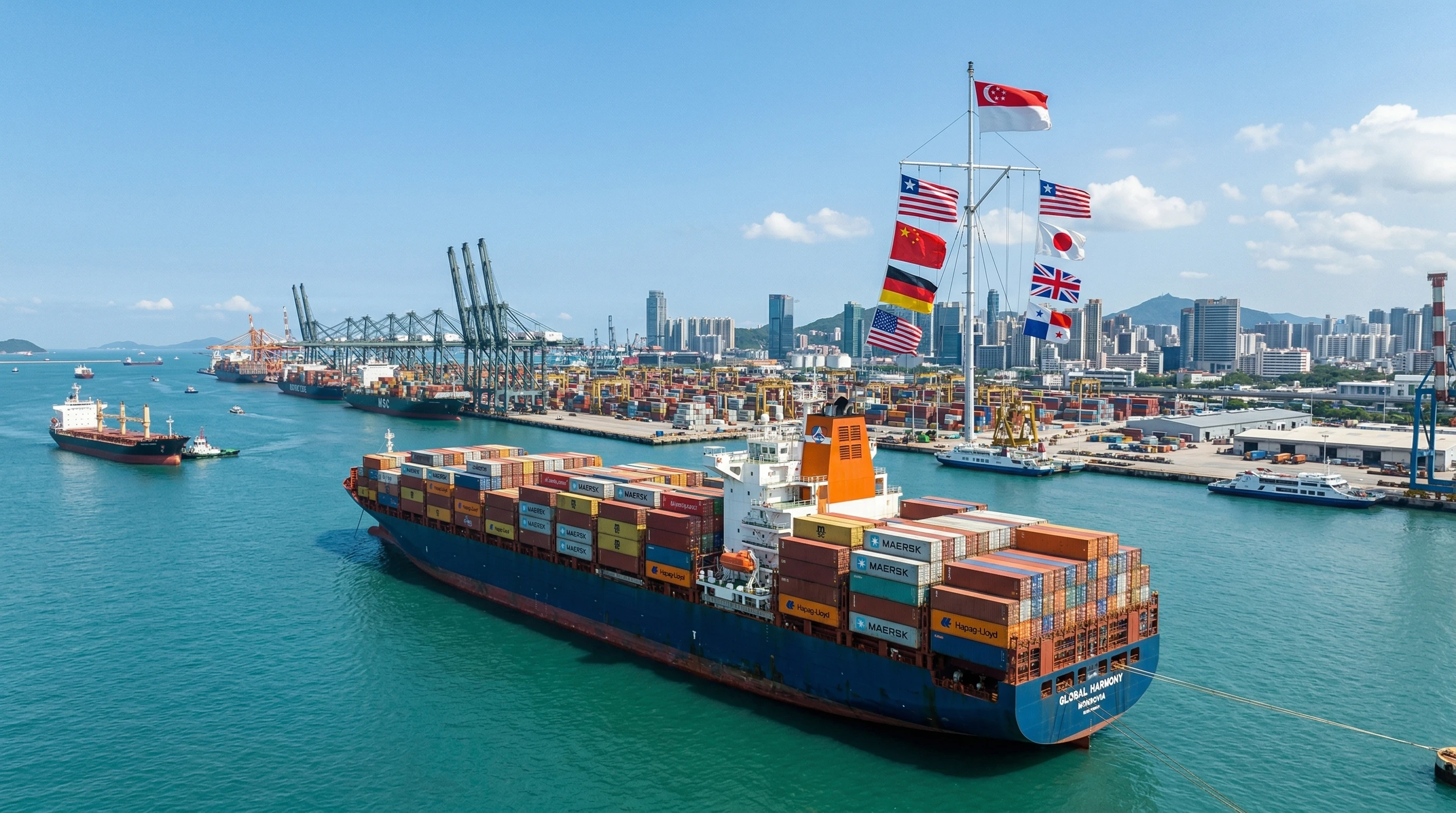
Understanding Seafarer Visa Rules and Why They Matter
Every time I travel as a seafarer, it is critical to be clear on the current maritime visa regulations. These rules help countries control who boards and disembarks at their ports. Most seafarers do not stay long in each country, but immigration officials still check paperwork closely. Having the right visa prevents delays and fines, so getting familiar with these requirements keeps things smooth for both crew and shipping companies.
The basics of legal entry differ by region. The Schengen Area in Europe, for example, follows specific transit visa procedures. The United States, Australia, China, and other big players each have their own set of documents and policies. As requirements evolve, especially with seafarers travel restrictions changing into 2026, staying on top of updates is really important. In fact, keeping up with these rules has become even more crucial with the increased use of electronic visa systems and biometric checks in many countries.
Maritime laws often overlap with national security and health guidelines. After the COVID-19 pandemic, some ports keep enforced health checks or extra paperwork. This means that immigration tips for maritime workers do not just cover visas but also medical certificates, crew lists, and port agent contacts. With stricter health controls in some regions, reliable documentation has taken on even greater importance for every crew member.
The Role of Visas in the Life of Seafarers
Seafarers move between many countries as part of their normal work. Traditional tourist visas do not always apply. Crew members typically use special transit or crew visas, which acknowledge that, while the ship might dock, the seafarer likely will not be sightseeing or working ashore. These visas are tailored for quick international stops and crew transfers.
Common visas include the USA C-1/D visa, the Schengen crew transit visa, the Australian Maritime Crew Visa (MCV), and the UK’s Standard Visitor visa for joining ships or taking shore leave. Each visa links to different rules about how long I can stay, what tasks I can perform, and when I need to depart. Reviewing the international seafarer visa guide for my route makes a big difference to avoid trouble at border control. Sometimes, not having the exact visa for a specific activity can create challenges, so it pays to double check each port’s requirements before setting sail.
How to Obtain a Seafarer Visa, Key Steps in the Application Process
Applying for a seafarer visa means I have to work closely with both my shipping company and the consulate of each relevant country. The seafarer visa application process generally starts with these steps:
- Get an Employment Letter: My employer provides details about my role, vessel, route, and contract period. This is the essential starting point for most visa requests.
- Complete Application Forms: I fill out country specific visa forms, usually online or at an embassy. The forms must match exactly with the contract and supporting documents.
- Provide Supporting Documents: This includes a valid passport, signed contract, photo ID, health certificates, and possibly a recent crew list. Sometimes, a Letter of Guarantee is also required.
- Attend Appointments: Some countries require fingerprinting, interviews, or medical checks at their embassy or consulate. Scheduling these appointments ahead of time prevents delays and last minute stress.
- Wait for Approval: Processing times vary. Some can be done in a few days, while others take several weeks depending on the country and season. Planning ahead is really important.
I always keep digital and paper copies of everything. Some countries only grant a single entry visa, while others offer multiple entry for longer shipping routes. Double checking dates and entry categories prevents unnecessary trouble at the border or at sea.
Essential Terms and Documents Every Seafarer Should Know
If I am new to working at sea, some of the language around immigration can sound unfamiliar. Here’s a quick cheat sheet:
- Seaman’s Book: My official seafarer ID, showing stamps from each ship and country I visit. It is essential for international voyages and replaces a passport in some cases.
- Crew List: Port officials ask for a full roster of all crew, certified by the ship master or agent. This helps with security and health tracking at port calls.
- Shore Leave Pass: Permission I use to briefly leave the port area. Sometimes issued by border police and sometimes by the ship’s agent, it provides short-term freedom to move ashore.
- Transit Visa: Special short-term authorization for crew members entering a country before departing by ship. Essential for ships that do multiple international port calls in one trip.
- Letter of Guarantee: Some embassies request this document to clarify that I’ll leave when my contract ends. It reassures the authorities that I will not overstay.
Knowing these documents and carrying extra copies makes border crossings smoother. Being organized and proactive about paperwork is a key part of successful maritime work.
Guide to Navigating Immigration for Seafarers by Region
Each global shipping route involves its own visa and immigration rules. Here’s how I break down the most common ones:
Europe and the Schengen Zone
Schengen rules are clear but strict. I need to show both my seaman’s book and a valid Schengen crew visa if I intend to disembark. Some ports also check my ongoing travel arrangements and employer’s letter. Shore leave rules are usually more flexible, but overstays carry hefty fines or future entry bans.
United States
The C-1/D visa is the standard option. It covers both transit and crew duties, but it does not allow me to stay on shore after my contract ends. Application requires a letter from the shipping company and often an in-person interview at a U.S. embassy. Failing to follow the time limits can impact future U.S. visa approvals.
Asia Pacific
Countries like China, Japan, and Australia follow their own maritime visa regulations. Australia’s MCV is very popular, allowing up to 12 months’ stay as long as I remain employed on a vessel. China tends to have stricter arrival checks and can require both visas and entry permits. I always check current embassy advice because regulations can change quickly and may be different for each shipping company or port facility.
Middle East and Africa
Each country in these regions has its unique process, and extra visas might be required if a crew change is planned at these ports. Some countries require biometrics or additional health paperwork due to evolving local security needs, especially for vessels that switch routes at short notice.
This international seafarer visa guide is not static. Ports update rules often, especially in busy hubs like Dubai, Cape Town, or Singapore, so it’s vital to stay informed. Shipping companies often release official notices to keep their crews updated, but I also check seafarers’ forums for first hand news and advice.
Practical Tips for Navigating Immigration as a Maritime Worker
Immigration tips for maritime workers go beyond paperwork, they are about real life on board and ashore. Here’s what I have found helps:
- Keep my documents organized and accessible. Losing proof of employment or a passport can create real trouble, especially in foreign ports.
- Check my passport’s expiration date regularly. Most countries require at least six months of validity after arrival, so renewing early avoids disaster.
- Work with a trusted port agent. Agents help with paperwork, translate rules, and handle sudden regulation changes or emergencies in unfamiliar cities.
- Follow local customs and port security rules. Respect and cooperation make the whole process much quicker and more pleasant.
- Stay connected with colleagues in shipping forums or professional groups. Getting updates from others makes it easier to spot potential issues before they escalate.
If I run into an issue such as a missed visa stamp or last minute regulation change, I call my shipping office and port agent for help. Acting quickly usually prevents bigger problems from spiraling out of control.
Challenges and Common Problems With Seafarer Visas
Seafarers encounter many challenges around immigration, especially during crisis periods like pandemics or when new rules are introduced. Some of the biggest issues include:
- Changing Global Rules: Travel bans, emerging security policies, and new digital visa systems can catch crew off guard. I make a point to check regulations for every country I visit, not just the destination port.
- Health Checks: Even in 2026, some ports continue medical screening and require up to date vaccination records or health clearance letters. Assuming past documents are always accepted can cause delays.
- Visa Denials and Delays: Incomplete paperwork, missing employer references, or unclear travel plans often lead to longer waits. Paying close attention to each embassy’s guidelines helps avoid unnecessary rejection.
- Lost Documents: Losing my seaman’s book, passport, or contract copy can disrupt the whole voyage. Digital backups and clear communication with my shipping company are my safety net for difficult situations.
- Recent Regulation Changes: With ports becoming more digitized, sometimes I encounter sudden requirements for biometric checks or digital health passports that were not needed months earlier. Staying updated prevents last minute panic.
Though these problems can be frustrating, being prepared and double-checking requirements makes them pretty manageable. I consider regular document reviews and staying in touch with company operations essential parts of the job.
Seafarers Travel Restrictions 2026, What’s On the Horizon?
Travel restrictions for seafarers continue to change every year. Through 2026, many countries are adopting electronic visa systems to smooth the way for crew entry. Some are also tightening background checks, especially for vessels entering high-risk or heavily traveled waters. I anticipate even more ports using facial recognition systems and requiring advance electronic notification for all crew members.
Digital health passports showing vaccination and recent health check status are now a regular feature in seafarer paperwork. Countries in the Schengen zone and across Asia have been leading these changes, but shipping companies also play a large role by updating crews with official circulars. I recommend signing up for alerts from organizations like the International Maritime Organization (IMO) and keeping connected with local consulates for the latest visa and travel news.
Advanced Preparation: Steps to Take Before Each Voyage
Thorough preparation reduces stress for every journey. Before starting a new contract or signing on to a new vessel, I always follow this checklist:
- Renew or check my seafarer medical certificate. Medical requirements have become stricter since the pandemic.
- Update my seaman’s book with the latest details and stamps to prove my professional standing.
- Print out my employment contract and the most recent crew list. Keeping extra copies is always a good idea.
- Download the latest immigration forms and check country-specific entry rules at least a week before departure. This catches last-minute regulation changes.
- Share copies of my itinerary and documents with my family or trusted contacts for emergency backup.
- Pack extra passport photos and gather all visa application receipts together in one easy-to-carry folder.
This routine helps me avoid last minute surprises and gives peace of mind when traveling to new ports, even if changes are made to the itinerary after departure. Hosting a pre-trip document review with my employer or agent is another way I step up my preparation, especially for busy or high security ports.
Frequently Asked Questions About Seafarers Visa Rules
A lot of fellow crew members ask similar questions when preparing for international voyages. Here are answers based on what I have learned:
Question: Do I need a visa for every port stop?
Answer: Not always. Sometimes transit visas or group documents cover several port calls in the same country or customs zone. Port agents usually clarify what’s needed for each stop.
Question: How long does it take to get a seafarer visa?
Answer: It depends on the country and my employment paperwork. Some embassies process visas in a few days, others take up to a month. It is smart to start early and check in with HR and the consulate to avoid missing deadlines.
Question: What if my visa request is denied?
Answer: I ask for a written explanation and talk with my employer and port agent right away. Sometimes, providing more documentation or a small correction gets the request approved on a second try.
Question: Can my visa be extended if my contract gets changed at sea?
Answer: Yes, in many cases, but extension rules differ by country. I always contact the local embassy, port agent, and company office as soon as I am notified about the contract extension to get things moving quickly.
Everyday Life, How Immigration Impacts My Work as a Seafarer
Immigration rules shape a lot of my daily life on the job. Simple things like getting shore leave, switching vessels, or even receiving medical care depend on having the right documents. If paperwork is delayed or missing, I might miss a vessel, get stuck at port, or even have to cancel a contract. By planning ahead and communicating proactively with my employer, I avoid most common obstacles and stay focused on my work at sea.
Digital resources, official circulars, and crew forums can be a real help both for staying informed and for connecting with other maritime professionals. Sharing knowledge and checking official immigration updates increases my confidence and prepares me for unexpected changes before every new voyage.
Following these key steps and practical tips has made my international shipping career far smoother. Whether I am just starting out or have sailed for years, dealing with seafarers visa rules is a manageable task with some extra preparation and strong support from my team and agents. That way, I spend more time on my job and less time dealing with frustrating paperwork problems, and I am ready for whatever changes may arrive in 2026 and beyond.








2 Comments
Hi Andrejs, This was a really helpful and practical guide, especially for anyone new to working at sea. I like how you broke everything down in a way that’s easy to follow without making it feel overwhelming. The part about keeping both digital and physical copies of documents really stood out, it’s one of those small things that can save a lot of trouble later, especially when moving between multiple ports. I also appreciate you mentioning how often rules change depending on the country. A lot of people underestimate that until they run into issues themselves. I also got to know about the rule change after reading this article. Great article, very informative.
Thank you, I really appreciate your thoughtful feedback! I’m glad you found the guide practical and easy to follow, that was exactly my goal, especially for those who are just starting out.
You’re absolutely right about the importance of keeping both digital and physical copies. It might seem like a small detail, but it can make a huge difference when you’re dealing with different ports and unexpected situations.
And yes, regulations can change quite often depending on the country, so staying updated is key. I’m happy to hear the article helped highlight that and even brought something new to your attention.
Thanks again for your kind words and for sharing your perspective!