Every ship depends on a range of equipment that keeps everyday operations running safely and smoothly. Shipboard equipment maintenance is really important because it prevents breakdowns and extends the life of the machinery.
After years of working at sea, I can tell you that the most reliable vessels are the ones where daily checks for shipboard systems are part of the crew’s routine. This guide will walk you through the basics and the practical details of daily shipboard equipment maintenance tips that can help anyone, from cadets to chief engineers, keep equipment in top condition.
Why Daily Checks Matter for Shipboard Equipment
Any seafarer knows that waiting until something fails rarely ends well. Regular daily checks for shipboard systems are key for spotting issues before they grow into expensive or even dangerous problems. These daily routines are usually shaped by the ship’s planned maintenance system, but personal attention from the crew makes a big difference. I remember waking up early for morning rounds and finding a simple oil leak that, if left unchecked, could have caused major engine damage by the end of the week.
Shipboard maintenance guidelines focus heavily on daily checks because of the tough conditions at sea. Constant vibrations, salt air, humidity, and changing temperatures put major stress on all ship systems. Without daily monitoring, parts like pumps, valves, and filters can quickly clog, corrode, or wear out. Sticking to a regular routine keeps minor issues from turning into emergencies that might slow down operations or endanger the crew.
Understanding Shipboard Equipment and Key Areas for Daily Checks
Modern vessels carry a mix of mechanical, electrical, electronic, and hydraulic systems. Each area demands attention, and daily shipboard equipment maintenance tips focus on the most essential parts of the ship’s machinery. Some of the most commonly checked systems include:
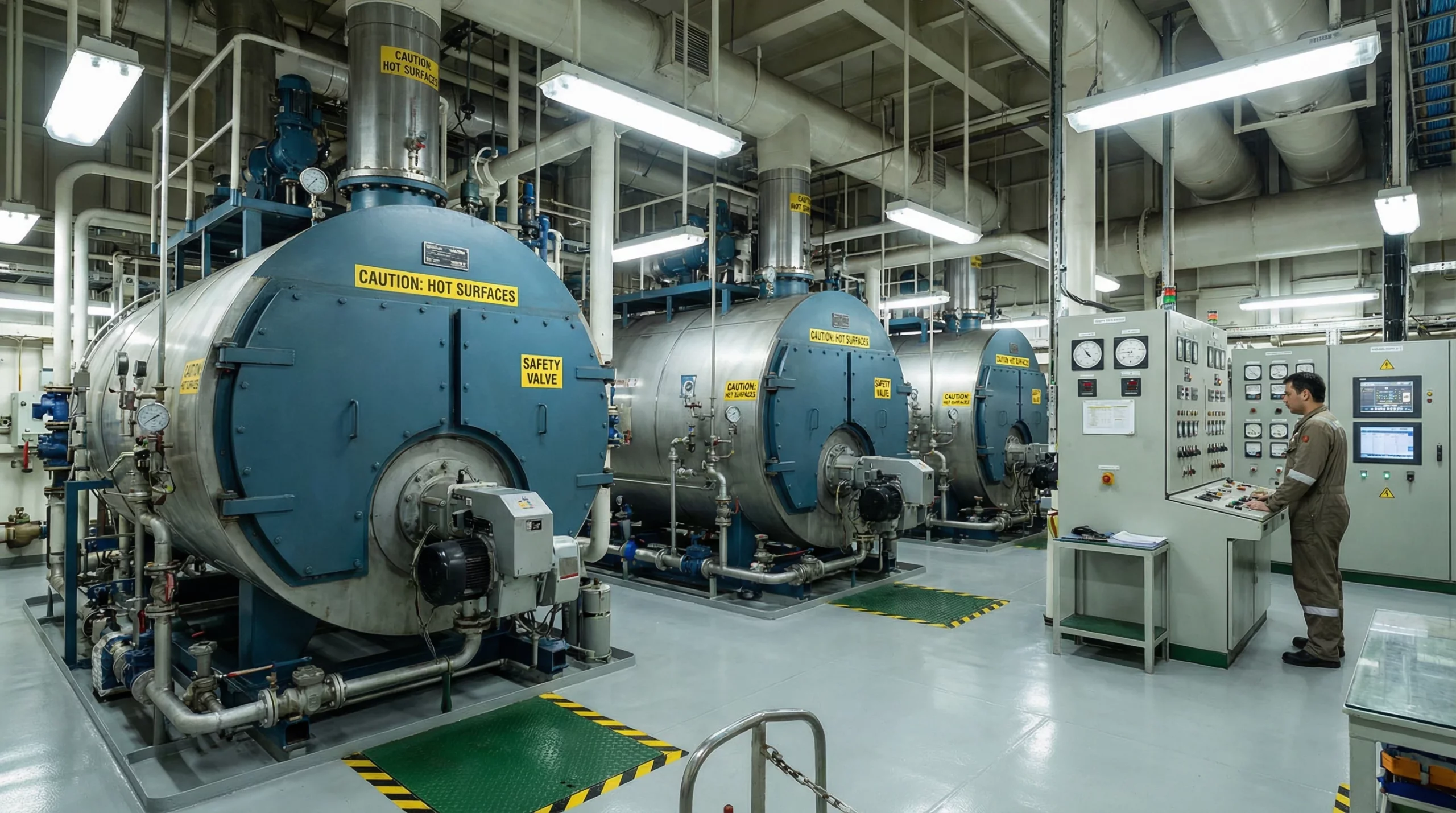
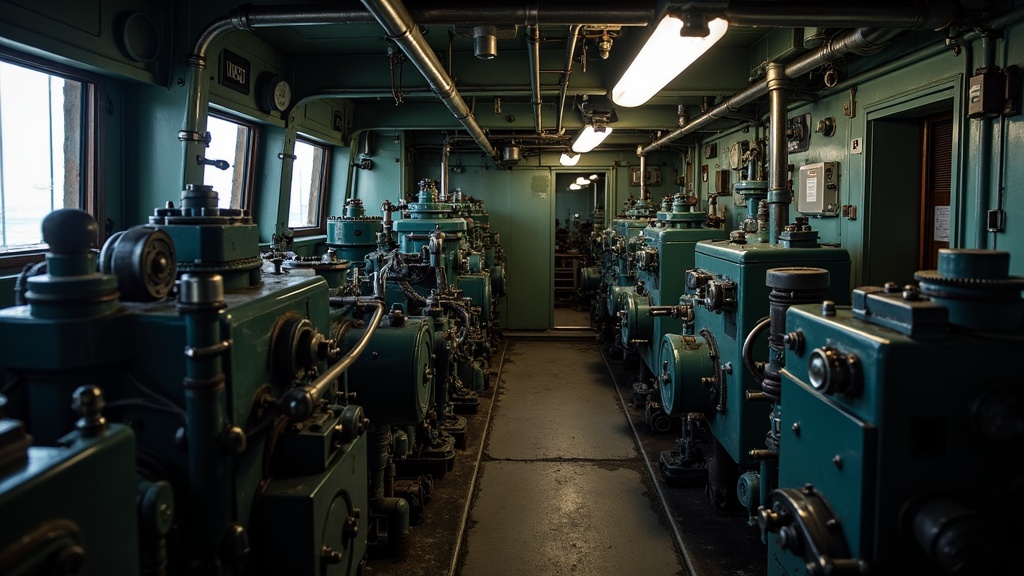
- Main Engine and Auxiliary Engines: Around the clock operations rely on these for power and propulsion. Daily checks for oil level, leaks, abnormal noises, and temperature readings help avoid failures.
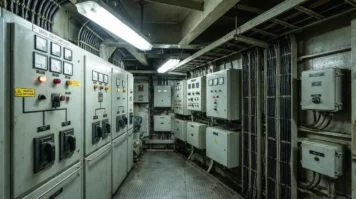
- Generators and Electrical Panels: Main and emergency generators keep the ship powered. Keeping an eye out for overheating, loose connections, and clean air intake is super important.
- Pumps and Piping: Including fuel, ballast, bilge, and freshwater systems. Look for leaks, unusual noises, and signs of wear at joints and seals.
- Steering Gear: Smooth steering is vital for safety. Daily rudder movement tests and checks on oil levels in the steering system let you catch problems early.
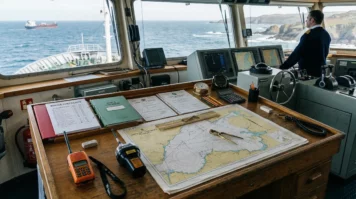
- Navigation and Communication Equipment: Radar, GPS, and radios must function reliably. Daily power up and function checks ensure they are ready in any situation.
- Safety Equipment: This includes firefighting gear, lifeboat engines, and emergency lighting. Every day, I check that these items are accessible and operational.
After a while, the process becomes second nature, but following a checklist and never cutting corners is really important for safe and efficient sailing.
How to Perform Essential Shipboard Equipment Checks
When it comes to shipboard equipment maintenance services, the best approach is hands on and detail oriented. Here’s how I like to break down the day’s checks:
- Start With Observation: Walk through engine rooms and machinery spaces and use your senses. Look for oil slicks, listen for odd rhythms, and smell for burnt or leaking fluids. Sometimes the first sign of trouble is a new noise or smell.
- Stick to Checklists: Each system has a checklist provided by equipment manuals and company procedures. Going through every item helps you avoid missing important steps. I always keep a printed or digital list handy for each area.
- Record Everything: Good recordkeeping helps with long term maintenance and with passing information at shift change. If I find a wornout gasket or slowstarting generator, I log it for repair and follow up the next day.
- Test Alarms and Gauges: Regular testing of pressure gauges, alarms, and automation is part of the daily routine. Faulty readings or alarms that fail to trigger can put the ship at real risk.
I always found that involving the whole team in daily rounds helps share knowledge and build experience. Senior crew members can spot subtle changes more easily, while junior crew learn what to look for each day.
Common Problems Discovered During Daily Shipboard Checks
Experience has shown me that most issues start as something small. Here are some of the most frequent findings during daily shipboard equipment checks:
- Low lubrication oil levels or oil leaks at engine sumps and couplings.
- Blocked filters in air or fuel systems are causing alarms or low pressure.
- Loose belt drives or vibration dampers in generator rooms.
- Salt buildup, rust, or pitting on deck equipment or exposed fittings.
- Electrical panel hot spots and burned insulation from loose wiring.
- Stiff or slow valves in bilge and ballast systems due to corrosion.
- Lifeboat engine starting problems from discharged batteries.
Even something as simple as an unlit indicator lamp can mean a system isn’t getting power. Reporting these right away and doing quick fixes keeps the rest of the equipment running as it should. Regular checks help create a culture of staying sharp and making sure nothing slips through the cracks.
Practical Tips for Setting Up Daily Shipboard Maintenance Routines
Developing good habits goes a long way in keeping a ship safe. Here’s how I’ve set up my daily maintenance routine:
- Set a Fixed Time: Early morning or start of watch is a good time for daily checks, before the day’s workload builds up.
- Follow the Same Route: I start at the main engine and move outward, so I always cover every space in the same order.
- Carry a Maintenance Kit: Basic hand tools, rags, lubricant spray, flashlight, and a notepad with the checklist make it easy to deal with small fixes right away.
- Communicate with the Team: If I find anything unusual, I bring it up in the daily briefing. Other crew might have noticed the same issue or have extra insight.
- Stay Updated with Manuals: Shipboard equipment maintenance services and schedules are sometimes updated based on operational experience or new equipment, so I check for these updates regularly.
Involving everyone in the crew encourages accountability and teamwork. I’ve found that less experienced crew members often notice fresh details that others miss, which helps everyone grow their skills and awareness. Don’t underestimate the power of sharing observations, it’s better to point out something minor than to let an issue slip by.
Creating an Effective Daily Equipment Checklist
Every ship should have a custom checklist, finetuned for the vessel’s actual systems. Here’s what I always include in my daily list:
- Visual inspection of all machinery spaces
- Readings of oil and water levels
- Temperature and pressure gauge readings
- Function testing of alarms and safety cutoffs
- Fuel, air, and water filter checks
- Checking for leaks, vibration, or strange noises
- Testing of emergency lighting, pumps, and fire systems
- Ensuring ladders, walkways, and exits are clear
Shipboard maintenance guidelines from international organizations, like the IMO and classification societies, offer strong starting points. Customizing them to fit your vessel’s setup makes them even more effective. Regularly updating your checklist after equipment changes or when new issues crop up is just as important as following it every day.
Overcoming Shipboard Maintenance Challenges
Life onboard comes with plenty of obstacles. Sometimes bad weather, rough seas, or long operational days mean checks get rushed or skipped. Here’s how I handle some of the most common challenges:
Working in Bad Weather
High seas and rain make outside checks tough. For these days, I focus on interior routines and wait for calm weather to check outside equipment. Securing loose items and doublechecking watertight doors always comes first during rough conditions.
Managing Time Pressure
When the schedule is busy, I prioritize key systems. For instance, if I’m short on time, I make sure the main engine, steering gear, and emergency systems get checked in detail, and fit in extra checks during quieter watches.
Training New Crew
New crew might not spot early warning signs. During daily inspections, I bring junior team members with me, explaining what to look for and why it matters. This helps build their confidence and sharpens their skills. Having a system of peer checks, where new crew shadow more experienced members, helps strengthen the whole team’s knowledge base.
Dealing with Unfamiliar Equipment
Whenever there’s a new pump or tool, I read the manual and ask previous watchkeepers about its quirks or faults. Sharing this knowledge makes the whole team stronger, reducing downtime and easing transitions between crew rotations.
Advanced Shipboard Maintenance Tips for Experienced Crew
Once you’ve got the basics down, there are ways to make your daily routines more effective and efficient. Here are extra strategies for those looking to take their maintenance game up a notch:
- Use Monitoring Systems: Many ships now have electronic monitoring. I often check data logs for trends in temperature or vibration that can signal trouble ahead of time. These systems collect huge amounts of information, and reviewing their reports even weekly can highlight gradual changes others might miss.
- Adopt ConditionBased Maintenance: Rather than just following schedules, pay attention to real-time data from sensors and performance indicators. Changes in readings often point to hidden issues. This approach can even help prevent unexpected breakdowns by allowing maintenance to focus where it matters most.
- Share Findings in Shift Handover: Detailed handovers that discuss even minor changes ensure the next watch knows what to expect. This prevents missed details from compounding into serious problems.
- Work With Service Providers: Sometimes outside service technicians come aboard. I always try to work alongside them and pick up new ideas for preventive checks and repairs. It’s a great chance to pick up specialist skills or learn about new upgrades to shipboard systems.
- Review Data Regularly: Going back over your maintenance logs every month or quarter reveals which systems have recurring issues, letting you spot patterns before a bigger breakdown occurs. Regular analysis helps with planning for replacement parts or major overhauls.
Shipboard equipment maintenance services are extra support for complex jobs, but regular crew familiarity with systems is the backbone of vessel reliability. The more hands-on experience your team gains, the more resilient and reliable the ship becomes on every voyage.
Real World Examples of the Value of Daily Shipboard Equipment Checks
I have seen firsthand how simple daily checks have saved crews time, money, and stress. On one voyage, a routine check exposed a hairline crack on a fuel line flange in the auxiliary engine room. We caught it in time and replaced it during a planned stop. On another trip, a daily steering gear test picked up sluggish movement, revealing the start of hydraulic fluid loss long before steering was compromised. A few weeks later, another vessel in the fleet had a similar issue but missed the early warning. Their repair was much more costly because hydraulic failure forced an emergency stop at sea.
These small discoveries often go unnoticed until records show how many potential emergencies they have prevented. Keeping up with the essential shipboard equipment checks is one of the best ways to make sure the voyage is safe and trouble free. Over the years, I’ve watched as the habit of careful daily inspections builds a culture of responsibility. Everyone knows that a problem not addressed today could be tomorrow’s crisis. Everyday vigilance is what keeps the ship and crew safe and avoids the headaches of lastminute repairs.
Frequently Asked Questions About Daily Shipboard Equipment Maintenance
How do I know if my daily checks are thorough enough?
Compare your checklist with manufacturer and company requirements. If you find new issues regularly, you’re probably checking the right things. Don’t hesitate to ask senior crew for guidance or any company procedures you might have overlooked.
What should I do if I can’t complete all the daily checks?
Prioritize core systems. Main engines, steering, alarms, and safety gear need checking first. Document which checks were missed and catch up when possible, informing your supervisor if major systems couldn’t be inspected.
How can I improve my checklist over time?
Update your checklist any time you stumble upon a new problem area or when new equipment is added to the ship. Reviewing old maintenance records can also point out frequent trouble spots to add to the list. Don’t forget to check with other team members for their suggestions as well.
Are there digital tools I can use for daily maintenance checks?
Yes, many ships now use digital planned maintenance systems that organize checklists, record findings, and schedule reminders. Using these helps make the process more reliable and traceable. Explore free mobile apps and company-provided tablets for extra convenience when checking off routine items or snapping photos as documentation.
Where to Go for More Help and Shipboard Maintenance Services
If you ever find an issue that goes beyond what the daily crew can fix, shipboard equipment maintenance services provided by manufacturers or independent specialists can step in. These companies can help with deep inspections, repairs, or system upgrades. I like to save their contact info and manuals for quick reference, especially for rarely used or new systems. Ship management offices may have contracts or preferred providers, so check before calling outside help aboard.
Some helpful resources for best practices in shipboard equipment maintenance include the International Maritime Organization (IMO), classification societies like ABS or Lloyd’s Register, and official equipment manuals. I regularly check updates from these organizations to stay current with shipboard maintenance guidelines. Their guidance documents and bulletins are valuable for keeping your checklists up to date and making sure your vessel stays in compliance with global safety standards.
Building a steady habit of daily checks for shipboard systems will make any ship run more efficiently and keep surprises to a minimum. Taking the time each day can help crew members grow their skills, avoid headaches, and keep the voyage smooth and safe. Creating a culture of sharing knowledge and staying sharp is what sets the best crews and safest ships apart from the rest. Whether you’re just starting your seafaring adventure or have decades under your belt, staying committed to daily equipment maintenance sets your ship on the right course for success.