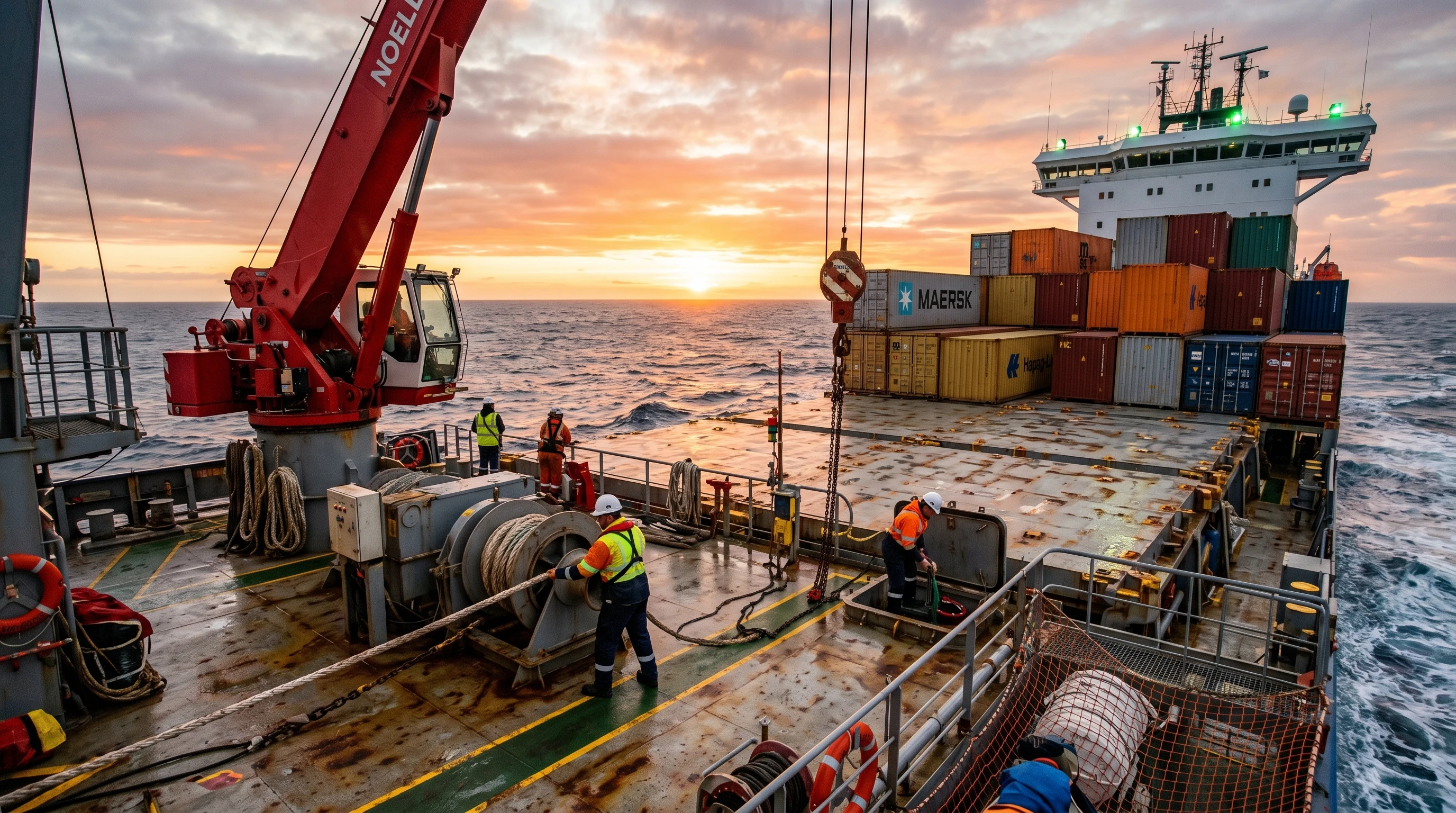
Motivating ship crew performance shapes the success and safety of any vessel. My time working at sea has shown that a motivated crew improves daily routines, follows protocols more consistently, and supports one another through rough weather or long journeys. Understanding how to encourage better performance starts with knowing the daily challenges crew members face and the unique environment of a working ship.
Understanding Ship Crew Motivation: The Basics
Life at sea means working far from family, coping with isolation, and following strict schedules. Crew members not only need to manage their duties but also live alongside coworkers, sometimes for months at a time. Motivating ship crew performance requires practical approaches to maintain strong morale and high productivity during both calm and stressful periods.
The shipping industry relies on teams that can adapt quickly and perform complex tasks under pressure. When motivation drops, safety can be affected; routines break down, and operational targets are missed. Strong motivation is directly linked to fewer incidents, higher-quality work, and longer crew retention. For this reason, keeping team energy and spirit high on board is really important. Motivation is contagious: when experienced crew keep spirits up, it often spreads and encourages newcomers to participate more actively in daily tasks, fostering a harmonious environment at sea.
Common Challenges Faced by Crew Members
Crew members deal with a range of personal and professional challenges:
- Isolation and Homesickness: Long voyages mean little time with family and friends, leading to loneliness. Even in this age of digital communication, time zones and connection issues can limit how often crew members talk with loved ones.
- Confined Spaces: Limited personal space can heighten stress, especially during extended voyages. Privacy is almost nonexistent, making it harder for individuals to recharge mentally.
- Monotony of Routine: Repetitive tasks and daily routines without variation can decrease enthusiasm. Crew members may lose excitement for their roles if they don’t get fresh challenges or changes in responsibilities.
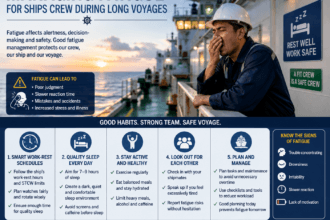
- Fatigue: Demanding schedules, especially during tough weather, often lead to tiredness and a lack of motivation. Crew must be alert, and tiredness can lead to mistakes or increased risk for accidents.
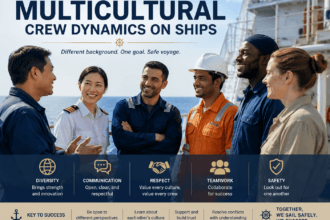
- Cultural Diversity: Working with a diverse crew can be rewarding but may also lead to misunderstandings if communication isn’t clear. Adjusting to different customs and work styles can create friction or slow collaboration.
Recognizing these issues is helpful for anyone looking to motivate their team and prevent burnout or low morale. Addressing them head-on helps leaders design solutions that reflect real needs on the board rather than generic fixes.
Best Practices for Crew Motivation
I have seen that using a mixture of recognition, support, and practical solutions makes a real difference. Here are some proven ways to build motivation among ship crews:
- Clear Communication: Ensuring all crew members know what is expected and encouraging open feedback helps avoid confusion and build trust. Weekly announcements or digital bulletins help keep everyone on the same page.
- Recognition and Rewards: Acknowledging extra effort, whether with simple praise or small rewards, helps crew feel valued. Public recognition during crew meetings, for instance, encourages others to go the extra mile.
- Professional Development: Providing training or opportunities for skill-building keeps crew interested in their jobs and demonstrates a commitment to their career growth. Online courses or onboard workshops inject excitement and possibility into daily routines.
- Maintaining a Healthy Work-Life Balance: Rotating tasks, allowing breaks, and planning social events ease stress. A mix of work and downtime helps prevent burnout and keeps spirits up during long voyages.
- Inclusive Leadership: Leaders who listen, show respect, and support their team create a stronger sense of community on board. Leaders should not shy away from sharing their own struggles or wins, making everyone feel on equal footing.
Making time for check-ins allows supervisors to spot low morale before it grows into a bigger issue. Crew who feel heard and supported tend to work more effectively and safely. Proactive motivation goes beyond quick fixes, focusing on nurturing long-term engagement and loyalty among team members.
Effective Team Building for Ship Crews
Building an effective crew goes far beyond routine safety drills. I have seen that planned team-building activities can break down barriers and boost morale even on busy workdays. Some activities that work well on ships include:
- Group Problem-Solving Exercises: Short challenges that require teamwork build trust and help everyone learn each other’s strengths. For example, creating a scavenger hunt that involves different parts of the ship can energize even experienced crew members.
- Friendly Competitions: Simple games, like trivia or indoor sports, give crew members a way to unwind while building team spirit. These activities do not require special equipment but provide a welcome break from routine.
- Shared Meals and Cultural Celebrations: Organizing special meals or celebrating holidays helps bridge cultural gaps and brings everyone together. Getting each crew member to share their favorite dish can introduce variety and personal stories into mealtimes.
- Rotating Work Roles: Letting crew try out new tasks keeps them engaged and helps develop new skills. Cross-training also ensures operational flexibility if someone becomes unavailable.
Effective team building for ship crews doesn’t need to be expensive or time-consuming. Even small changes can foster camaraderie and enthusiasm among crew members. Engaged crews are less likely to get discouraged and can recover quickly from setbacks, both day-to-day and during challenging periods.
Top Motivational Techniques for Crews: What Really Works?
Crew members respond best to genuine efforts from officers and operators. Motivating offshore workers involves understanding what drives each person and adapting leadership style where needed. Some helpful motivational techniques I rely on include:
- Personal Recognition: Knowing crew members’ names, backgrounds, and achievements can make them feel seen and appreciated. Taking a moment to congratulate someone for their effort makes an impact.
- Goal Setting: Setting daily, weekly, or monthly goals provides a sense of progress and accomplishment, especially when tracked and rewarded in some way. Consider establishing a shared achievement wall in the mess area to keep progress visible.
- Transparent DecisionMaking: Sharing the reasons behind orders or changes builds trust and shows respect for the crew’s professionalism. When chiefs explain why shifts or work assignments change, it minimizes frustration.
- Encouraging Thinking Outside the Box: Inviting crew to suggest improvements or share new ideas helps tap into their experience and keeps everyone invested in success. Holding a quarterly “bright ideas” contest can bring new perspectives into regular operations.
- Mental Wellness Support: Providing access to counseling or regular mental health check-ins is really important for those in high-stress roles. Confidential support and promoting mental wellness tools can break down barriers to asking for help.
These top motivational techniques for crews can help maintain steady performance and morale even during difficult voyages. They help inspire team members to get through stressful situations with a clearer sense of purpose and support.
Engagement and Motivation: Keeping Morale High
Engaged crew members pay closer attention to their work and feel more accountable to their team. Crew member engagement techniques include:
- Daily Briefings: Quick meetings at the start of a shift give everyone the chance to ask questions and raise concerns. It keeps communication lines open and reiterates the importance of safety and quality work.
- Open Door Policy: When supervisors are approachable, issues get resolved faster, and trust stays stronger. Informal walks around the deck or engine room give a chance for quick conversations and prompt issue resolution.
- Direct Feedback: Offering feedback that is both supportive and constructive helps crew members grow and motivates them to keep improving. Focus feedback on behaviors rather than personalities to make it helpful.
- Opportunities for Leadership: Letting crew take charge of certain jobs shows trust and helps them develop professionally. Even small leadership projects can make a crew member feel valued.
Daily engagement helps prevent problems from building up and keeps the team running smoothly. Crew who feel engaged will willingly step up to extra responsibilities as needed.
Inspirational Leadership: How to Inspire Ship Crew Members
My experience has taught me that motivation rarely sticks unless it comes from the top. Officers and managers set the tone through their own behavior. To inspire ship crew members, I try to:
- Lead by example, especially when conditions are tough.
- Stay positive and calm, even when unexpected issues come up.
- Be transparent about challenges and invite input on possible solutions.
- Give credit where it is due, and never take team efforts for granted.
- Actively encourage professional growth rather than focusing solely on immediate job tasks.
When crew members see consistent and fair leadership, it encourages them to work smarter and improves teamwork across the ship. Leaders who model respect and positivity can transform the onboard culture over time, even if the ship’s challenges remain tough.
Case Examples: Improving Ship Crew Morale Strategies in Action
Adding small perks or changes to routines can have a larger impact than many realize. For example, on a particularly long voyage, the captain of my last ship organized weekly themed dinners and let crew members take turns choosing the menu. The change in mood was obvious. The crew had something to look forward to and began swapping stories from home, helping everyone bond despite a tough stretch at sea.
In a different scenario, after a few equipment failures slowed operations, a chief engineer started a weekly “open forum.” Crew members could anonymously suggest fixes or share frustrations. Within a month, the team fixed several small inefficiencies, and tensions eased as everyone felt their voice mattered.
On another journey with a multinational crew, regular movie nights were introduced based on suggestions from different cultures. This new addition not only energized the mess hall environment, but also offered an easy way for everyone to share and appreciate background stories. These experiences underline how improving ship crew morale strategies doesn’t need a complete overhaul; just genuine, thoughtful action that fits the realities of life at sea. Small touches, like birthdays or celebrating milestones, can give the entire team a collective boost.
Actionable Crew Member Engagement Techniques
Here are some simple and effective ways to boost engagement every day:
- Use suggestion boxes for anonymous input.
- Recognize birthdays and personal milestones to increase camaraderie.
- Create a rotating “crew spotlight” where one team member shares about themselves each week.
- Offer short, on-the-job training challenges with small rewards, like additional shore leave or choice of shift.
- Adopt communication apps or boards for quick crew updates and feedback.
Mixing up engagement methods keeps morale from dropping and builds a supportive network among the crew. Remember that involvement must stay meaningful, so tailor activities to current mission tempo and crew preferences.
Modern Approaches: Digital Tools for Motivation
Technology can support shipboard motivation too. Crew management software now allows easy tracking of goals, recognition of achievements, and sharing of feedback, even across multiple ships in a fleet. For large companies, leadership can check in via video messages, recognize good performance across crews, and make even far-off members feel valued.
Some ships set up digital groups for sharing photos, jokes, or news from home, which helps with the isolation of long voyages. Adopting these new tools complements the day-to-day efforts by keeping everyone more connected and included. When implemented thoughtfully, digital communication empowers crew without feeling like an extra burden, supporting overall well-being and productivity.
Addressing Motivation Pitfalls: What to Watch Out For
While motivating ship crew performance is always a goal, there are common pitfalls to watch for:
- Ignoring feedback or concerns, leaving crews feeling unheard.
- Favoritism, which can break down team unity and trust.
- Unrealistic workloads or targets that cause burnout.
- Failing to address conflicts, leading to tension and poor cooperation.
By keeping communication open and responding to issues quickly, you can avoid many of these setbacks. Regularly asking crew how they feel or checking up on their workload keeps everyone working at their best. Leadership needs to remain alert to mood shifts and act swiftly to keep small issues from spiraling into bigger problems.
Frequently Asked Questions
These are some common questions I get when talking with new officers and company managers:
Question: How can I quickly spot low motivation among my crew?
Answer: Watch for signs like absenteeism, reduced communication, mistakes on routine tasks, or complaints about long hours. Sometimes, even a small drop in team spirit can show up as more accidents or conflicts between crew members. Being present and talking with your team regularly helps catch these changes early.
Question: What are some easy ship crew team building activities?
Answer: Try weekly quizzes about seamanship, culturally themed meal nights, team-based safety competitions, or short group exercises for problem-solving. These can be done even during downtime and help everybody bond.
Question: Which crew member engagement techniques work best on a tight budget?
Answer: Use what you already have on board, like rotating work roles or recognition boards in shared spaces. Simple verbal praise, meaningful duties, or even a chance to be heard in meetings go a long way without any extra cost.
How to Get Started With Motivating Your Ship Crew
Building a motivated crew is an ongoing process. Start with honest feedback sessions, set simple team goals, and plan one new social activity every month. Encourage leadership staff to get to know their teams and foster open communication at all times. Using best practices for crew motivation and strategies to improve ship crew morale helps create a safer and more successful work environment. Make it a habit to celebrate small wins and encourage everyone to look out for one another’s well-being; success at sea often comes down to trust and shared effort.
Whether you are new to the role or looking to improve results on your next voyage, small steps toward positive change can make a lasting impact on your ship’s atmosphere. Taking these actions not only supports your crew’s well-being but also ensures reliable, top-level performance through every adventure. Stay open, adapt to new ideas, and remember that a motivated crew is the backbone of every successful maritime operation.
This article was created with AI assistance and reviewed by a human editor.