Working at sea brings a unique set of responsibilities, especially when it comes to protecting our oceans. Environmental compliance and sustainability for seafarers are now more relevant than ever. With the world focusing on cleaner oceans and stricter rules, I see a real switch up in how we approach daily routines on vessels. If you’re working at sea or interested in maritime careers, understanding these changes can help you keep up with what’s expected and do your part for the environment.
Understanding Environmental Compliance for Seafarers
Environmental compliance means following international and local rules that protect the sea from pollution. For seafarers, this isn’t just about avoiding fines; it’s about working safely and responsibly. The International Maritime Organization (IMO) sets most of these guidelines. There are regulations for things like handling waste, managing ballast water, reducing greenhouse gas emissions, and using cleaner fuels.
Some key regulations impacting ships today include the International Convention for the Prevention of Pollution from Ships (MARPOL), the Ballast Water Management Convention, and rules on sulfur emissions. I know that these standards aren’t just paperwork. They directly affect how I carry out tasks on board, from managing waste to refueling.
New Environmental Compliance Trends 2026 predict stricter enforcement and more advanced monitoring systems on vessels. This means staying informed and trained is really important to avoid surprises during inspections. These trends could include real time digital monitoring tools and AI-based audits that help spot potential problems and keep you ahead of unexpected situations.
Sustainable Practices in Maritime Industry, Why They Matter
Ships sail across oceans, connect economies, and move most of the world’s goods. But this work can affect the environment through fuel emissions, accidental discharges, and day to day waste. As a seafarer, I see that my choices and routines can have a direct impact on the marine ecosystem.
Practicing sustainability at sea involves more than just basic compliance. It includes embracing habits and using technologies that minimize negative effects on the environment. Simple changes, like separating waste, updating maintenance routines, or switching to energysaving lighting, are all valuable contributions. Shipowners are also adopting green shipping solutions for 2026 that go beyond current rules to reduce their carbon footprint and preserve ocean health.
Beyond company policy, many ports are rewarding green practices by giving priority berths or reduced fees to vessels that show low emissions and efficient operations. This makes sustainability not only good for the planet, but good for business too.
Core Seafarers’ Environmental Guidelines
Seafarers’ environmental guidelines are practical steps that help protect the ocean and comply with strict regulations. Some key expectations include:
- Proper waste management: Separate recyclables, food waste, and hazardous materials. Keep records for audits.
- Responsible ballast water handling: Follow ballast water exchange rules to stop invasive species from spreading between ports.
- Minimized emissions: Use the correct fuel, keep engines well maintained, and follow lowsulfur or alternative fuel requirements.
- Pollution prevention drills: Participate in regular drills to respond quickly to spills or equipment failures.
- Reducing plastic use: Limit singleuse plastics and follow onboard recycling systems.
- Accurate recordkeeping: Log all discharges and environmental actions as required by regulations.
These guidelines are laid out in the ship’s management systems, usually available in onboard manuals and through crew briefings. Following these steps every day keeps the ship compliant and the ocean cleaner. Sometimes, ships include posters and reminders in common areas to help everyone remember the best practices.
Green Shipping Solutions 2026, What’s New?
With new pressures from governments and customers, the maritime industry is quickly adapting. The talk about green shipping solutions for 2026 centers around several practical changes that I’ve noticed on ships and in company policies:
- Energy saving equipment: Upgrades like energyefficient lighting, smart HVAC systems, and lowdrag hull coatings are now common.
- Switching to alternative fuels: Liquefied natural gas (LNG), biofuels, and hydrogen are being used more often to cut emissions.
- Shore power capabilities: Ships use electricity from the port to reduce emissions while docked. This not only cuts pollution, but also reduces noise and vibrations near harbors, benefiting both the environment and local communities.
- Better fuel monitoring: Digital systems track fuel consumption and emissions, making it easier for crew to stay within targets.
- Automated waste treatment: Advanced onboard systems process sewage and oily water for safer discharge.
Innovations in green shipping also include new hull designs that reduce water resistance, solar panels for auxiliary power, and digital navigation tools for more efficient routes. Adapting to these technologies takes some learning, but it’s a change I see many seafarers embrace with pride. There’s also a growing trend of ecofriendly paints that cut down on marine growth, improving fuel efficiency even further.
Sustainability Practices for Seafarers, Day to Day Examples
Sustainability may sound complex, but it begins with simple routines. Here are practical steps I take to make a difference every day on board:
- Shutting off unused lights and equipment to save power
- Organizing weekly cleanup events with the crew to keep common areas and decks litterfree
- Checking for leaks and reporting them right away to prevent oil or fuel entering the sea
- Separating garbage at the source and making sure bins are clearly labeled
- Using ecofriendly cleaning supplies in cabins and work areas
- Doubling checking all valves and machinery before operations like bunkering or ballasting
- Using digital forms and checklists instead of paper where possible
Consistent habits shape a cleaner and safer ship. I also see crew members sharing new ideas or improvements, which helps everyone learn and stay motivated. Sometimes, competitions or awards for the “Greenest Crew Member of the Month” can encourage environmentally friendly habits.
Dealing With Challenges in Environmental Compliance
Even with clear rules, meeting all compliance requirements can bring challenges. Some of the most common issues are:
- Language barriers: Crew come from many backgrounds, so I always check if everyone understands the instructions or signage.
- Equipment breakdowns: Environmental systems need regular checks to avoid unexpected malfunctions. Having a reliable maintenance routine helps address this.
- Recordkeeping: Logs and forms are a big part of compliance. Doublechecking entries helps avoid mistakes. Making the switch to digital logs often makes this process easier and reduces errors.
- New technologies: Learning new monitoring systems or emission control devices can take time, but onboard training sessions help a lot. Sometimes, I make use of online tutorials or peer support within the crew for quicker adaptation.
Staying proactive, asking questions, and participating in drills or training courses all help me keep up with new expectations. Many maritime organizations offer online resources and refresher courses to support learning and compliance.
Ecofriendly Maritime Innovations You Should Know About
The search for sustainable shipping brings some creative and practical solutions. Recent ecofriendly maritime innovations I’ve seen include:
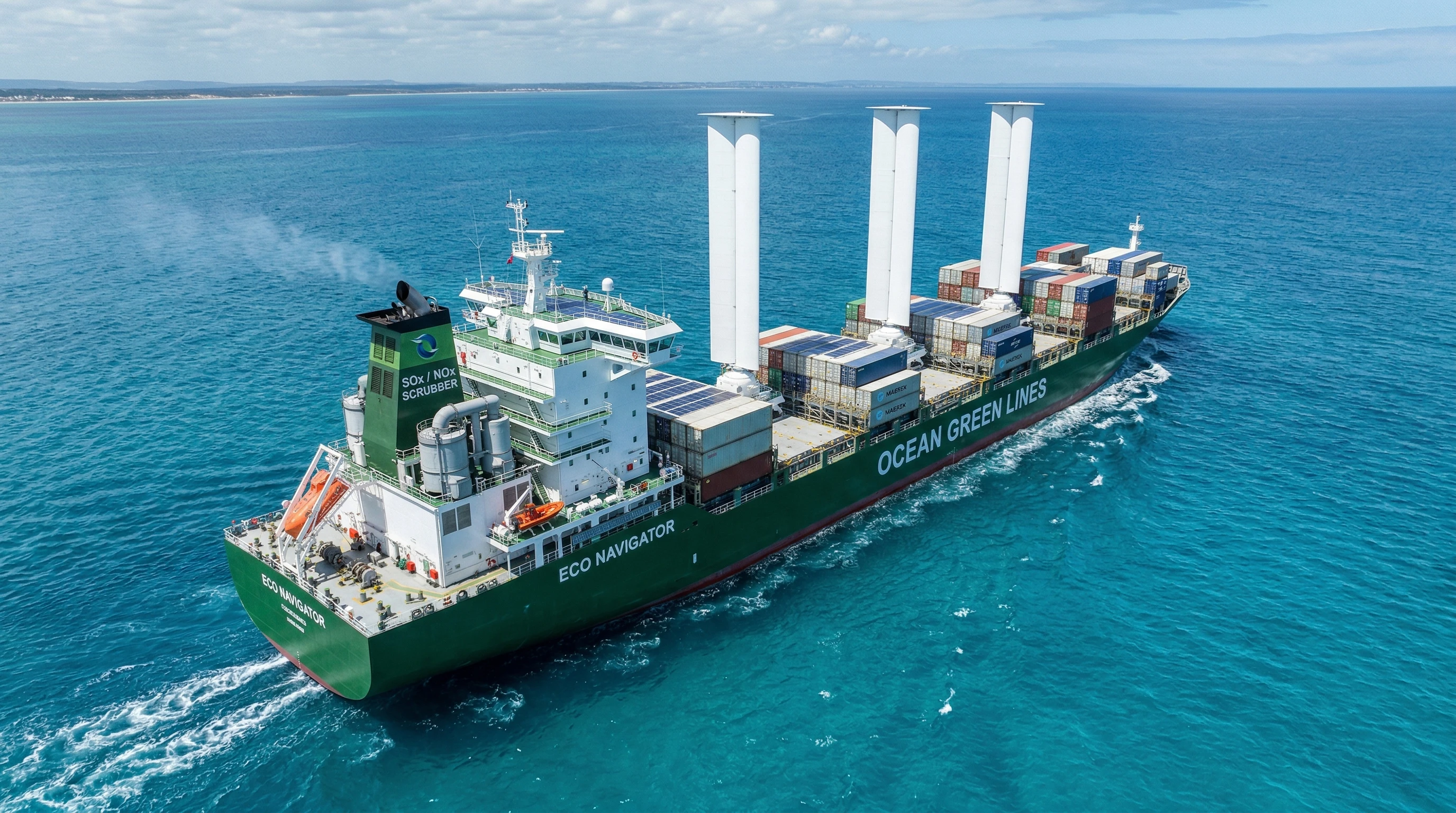
- Windassist propulsion devices, like modern sails or rotor sails, that help ships use less fuel
- Onboard water treatment plants that recycle greywater for cleaning or flushing
- Battery hybrids for ships, especially ferries and shorthaul vessels, to operate silently and emissionfree in harbors
- Digital ship performance monitoring, which lets officers adjust operations in real time for maximum efficiency
These changes won’t happen overnight for every vessel, but companies are focused now on compliance as well as reducing longterm operating costs. Staying updated on what’s new in green shipping can give seafarers practical ideas they can suggest or implement on their ships. For example, new biodegradable lubricants for ship machinery are another development aimed at reducing ocean pollution.
Frequently Asked Questions
What are the most important regulations for seafarers to know?
Keeping up to date with MARPOL, Ballast Water Management rules, and Emission Control Area (ECA) requirements is really important for daily operations. Training sessions and onboard notices keep everyone informed and prepared for audits or inspections from authorities.
How can I keep learning about sustainability practices for seafarers?
Participating in shipboard training, following updates from the International Maritime Organization, and using elearning courses provided by shipping companies are all great ways to gain new knowledge. Forums, webinars, and maritime conferences also offer helpful insight into trending green practices.
Are there resources to help with environmental compliance?
Yes, most vessels have manuals and checklists that outline onboard environmental procedures. Some organizations, like INTERTANKO, ICS, or local maritime authorities, also offer guides and online support for crews. Mobile apps are emerging too, giving reminders and quick guides right from your smartphone.
What if my ship doesn’t have the latest green technology?
Even on older vessels, following proper waste handling, reducing singleuse plastics, and keeping accurate records make a real difference. Suggesting small changes to your supervisor, such as energy efficient bulbs or digital logs, can lead to gradual upgrades over time.
Moving Forward For a Greener Future at Sea
Environmental compliance and sustainability for seafarers are woven into nearly every task at sea. While new rules and technologies keep coming, small changes in daily routines form the foundation of real progress. From using ecofriendly supplies to keeping a sharp eye on operations and new Green Shipping Solutions 2026, everyone on board can play a part in cleaner oceans. Building a green culture at sea takes effort from every rank, from captain to cook, but it pays off with improved safety, efficiency, and pride in your work.
By staying aware and adapting to innovations in green shipping, I help set the course for a maritime industry that’s responsible, respected, and ready for future challenges. Every small step counts in building a greener future at sea, and together, we can make a difference that endures for generations to come.