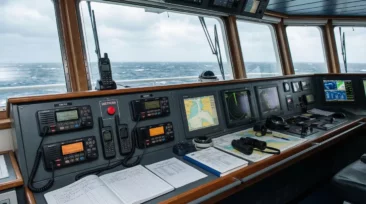
Emergency communication at sea is super important for safety. Being able to quickly and clearly share urgent information during a crisis can mean the difference between a safe outcome and disaster. My...
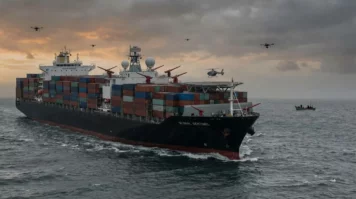
Ships and cargoes move across oceans every day, but maritime piracy and security threats still put people and goods at risk. I have seen firsthand how the response to these threats keeps getting more ...

Safety drill training for seafarers helps crews react appropriately when real danger strikes. Seafarers have jobs that put them directly in environments where quick decision making and being ready for...
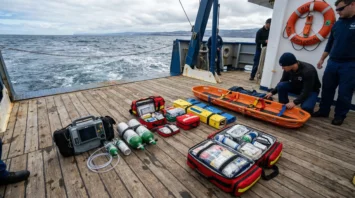
Handling medical emergencies at sea comes with its own set of challenges that are very different from what I’m used to on land. There’s no immediate access to a hospital or emergency services, and con...
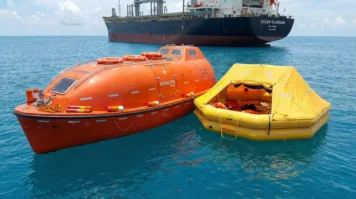
Lifeboat and life raft procedures form the backbone of emergency response at sea. Knowing how to use these lifesaving tools and understanding the steps involved during an evacuation can make all the d...
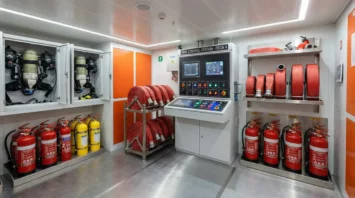
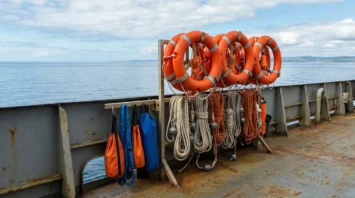
Man overboard drills play a really important role in Emergency Response Training on board any vessel. Whether I’m responsible for a yacht, a large commercial ship, or a small workboat, knowing exactly...
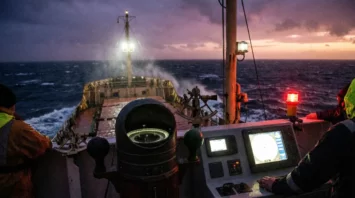
Ship Emergency Navigation is a skill every mariner needs to take seriously. When something unexpected happens at sea, from losing power to heavy fog or electronic failures, knowing how to handle emerg...
Fog can turn even the most routine ship journey into a real challenge. Knowing how to handle these conditions is hugely important for keeping everyone onboard safe and making sure cargo arrives on tim...

2 responses to “Emergency Communication Protocols At Sea”
Emergency communication protocols at sea are essential for safety, helping mariners quickly alert others and coordinate rescue when emergencies occur. By using standardised distress calls, reliable tools like VHF radios and EPIRBs, and following international guidelines from the International Maritime Organisation, crews can reduce confusion and speed up response times. Regular training, drills, and well-maintained equipment ensure these systems work effectively when they are needed most.
Well said. Effective emergency communication can make the difference between a manageable incident and a major disaster at sea. Standardised procedures and equipment only work if crews are properly trained and confident in using them, so regular drills and maintenance are just as critical as the technology itself. Following IMO guidelines helps ensure a coordinated, timely response when every second counts.


2 responses to “Emergency Communication Protocols At Sea”
Emergency communication protocols at sea are essential for safety, helping mariners quickly alert others and coordinate rescue when emergencies occur. By using standardised distress calls, reliable tools like VHF radios and EPIRBs, and following international guidelines from the International Maritime Organisation, crews can reduce confusion and speed up response times. Regular training, drills, and well-maintained equipment ensure these systems work effectively when they are needed most.
Well said. Effective emergency communication can make the difference between a manageable incident and a major disaster at sea. Standardised procedures and equipment only work if crews are properly trained and confident in using them, so regular drills and maintenance are just as critical as the technology itself. Following IMO guidelines helps ensure a coordinated, timely response when every second counts.