
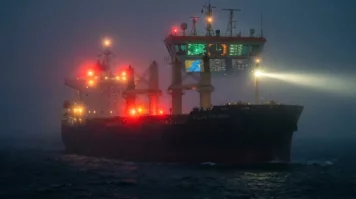
Safety and effective navigation are really important when I find myself facing an emergency at sea. Whether I’m a professional mariner or just starting out in maritime operations, knowing ship emergen...
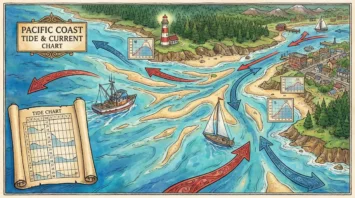
Tide and current predictions are really important for anyone spending time near or on the water. Learning how to read predictions for tides and currents can help with fishing, boating, sailing, or eve...
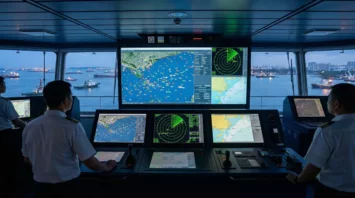
AIS systems have become a core technology for collision avoidance at sea. These tools have changed the way I keep my vessel and crew safe, giving me valuable information that helps prevent accidents. ...
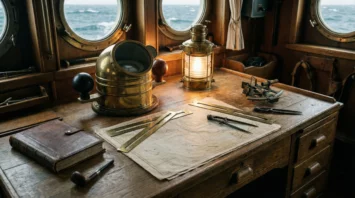
Dead reckoning is one of the oldest navigation methods used even today. Whether I want to find my way at sea, in the air, or on land without GPS, understanding dead reckoning techniques helps me estim...
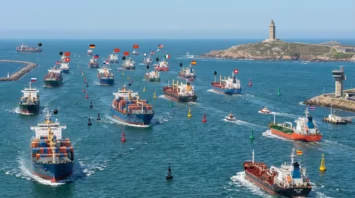
Understanding maritime laws is really important for anyone involved in global shipping, fishing, or even recreation on the water. These laws set the foundation for safe, orderly, and fair use of the w...
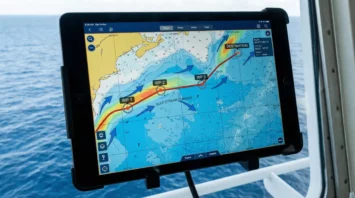
Plotting safe routes across international waters is one of the most important tasks for any captain or crew setting out on a long adventure. Whether I’m moving a cargo ship, a fishing trawler, or even...
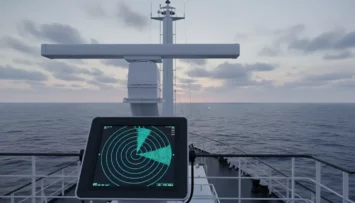
Radar technology in navigation has shaped the way vessels move across the oceans and through the skies. My experience working with navigational equipment taught me just how vital radar is, whether I’m...
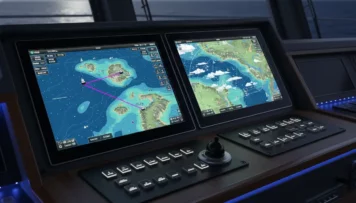
Using GPS and electronic chart display systems has totally changed how I handle navigation, especially when I’m on the water or managing large vessels. These tools bring a sense of confidence and safe...
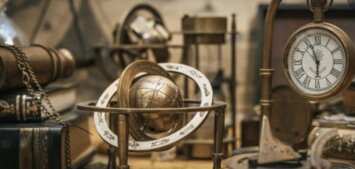
Celestial navigation has stood at the heart of long sea voyages for centuries. Even with all the digital gadgets and electronic aids I use today, learning these classic skills turns me into a more con...
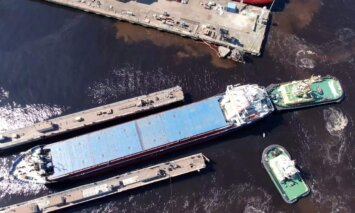
Every ship depends on a range of equipment that keeps everyday operations running safely and smoothly. Shipboard equipment maintenance is really important because it prevents breakdowns and extends th...