Seasickness at sea is something just about every new seafarer faces at some point. I still remember my first few days onboard when the rolling of the ship caught me off guard. Seasickness happens when your inner ear, eyes, and body sense movement differently, causing your brain to get confused. Even experienced crews can feel its effects, especially in rough weather or after a long break ashore. Learning how to prevent and manage seasickness is really important because it can affect both your safety and the entire crew’s performance during watches and routine duties. Ignoring it can make even simple tasks tough and distract you from staying alert on the job.

What Causes Seasickness? Quick Look at the Science
Seasickness starts in your vestibular system, which is the part of your inner ear that helps you keep your balance. When the ship moves, your inner ear senses motion, but if your eyes and other senses don’t match what your ear is telling your brain, you’ll get mixed signals. This sensory conflict is what usually causes the classic sick feeling. For example, when you’re working below deck, your body feels movement, but your eyes just see a steady engine room or galley, making things worse. You don’t have to be new to the sea to feel it. Sometimes it hits even the most experienced crew during big swells or after time off.
Main Symptoms and Why They Matter for Deck Work
The main signs of seasickness are nausea, dizziness, cold sweats, and fatigue. Lots of people also lose their appetite and might find it hard to focus. I’ve seen watchkeepers nod off or make errors because they’re fighting to stay alert through the nausea. This isn’t just uncomfortable. When dizziness or fatigue kicks in, it’s a safety risk, especially if you’re up on deck handling mooring lines, or monitoring navigation equipment. For junior officers and cadets, these symptoms can make it tough to remember procedures or communicate clearly. That’s why dealing with seasickness matters so much right from the start of your trip.
Who’s Most at Risk of Seasickness at Sea?
In my experience, new cadets and trainees tend to feel seasickness most intensely, probably because their bodies haven’t had the chance to adapt yet. Anyone on smaller vessels or fishing boats is more likely to feel every roll and pitch, since these ships move much more than larger tankers or container ships. Rough weather, obviously, makes it harder for everyone, even the old hands. Working below decks in places like the engine room, galley, or cabins without windows increases your risk because you’re cut off from the outside view, which helps stabilize your senses. Some people are just more prone to motion sickness in general, but almost anyone can experience it under the right conditions at sea.
Preventing Seasickness: Small Changes That Work
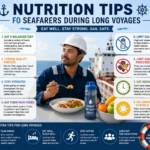
Figuring out how to prevent seasickness helps a lot with settling in, especially during your first week on board. Here are strategies that have helped me and plenty of others:
- Pick a Midship Cabin: The middle of the ship moves less than the bow or stern, so if you have a choice, sleep midship and lower down.
- Stay on Deck: Spending time outside, where you can see the horizon, helps your brain align your senses. This really works, even if you just step out for a few minutes at a time.
- Eat Light Meals: Heavy, greasy foods can worsen nausea. I stick to simple staples like rice, toast, or light soups until I feel balanced.
- Stay Hydrated: Dehydration can make you feel even worse, so drink water regularly, even if you don’t feel thirsty.
- Avoid Strong Smells: Engine fumes or galley odors can trigger nausea faster than you expect, so keep some fresh air flowing where possible.
- Breathing Exercises: Slow, steady breathing calms your body’s reaction. I focus on exhaling for longer than I inhale to help the nerves settle.
- Give it 48 to 72 Hours: Most new crew members start feeling better after a few days once their bodies adjust. If you can get through the first 2 or 3 days and follow these habits, chances are you’ll start to gain your sea legs.
Making these small changes can help a lot, even if it takes a bit of trial and error to find what works best for you personally. If you’re a junior officer or cadet, ask fellow crew members what worked for them in their early days; their tips might be a big help as you settle into your routine.
Managing Seasickness Onboard: What Really Helps
If you wake up feeling off or get hit by nausea during your watch, there are ways to ease those symptoms quickly. Most ships have some kind of seasickness remedy in the medical locker, but always check with the medical officer before taking anything. Over-the-counter tablets or patches sometimes help, but not everyone needs them. Acupressure bands worn on your wrist seem like a gimmick, but I’ve watched plenty of cadets swear by them for reducing nausea. Chewing ginger or sipping ginger tea is another low-risk option that seafarers have used for generations. Light, routine tasks that keep your hands and mind busy, such as coiling ropes or doing gentle maintenance, can switch up your focus away from feeling unwell. When the weather is wild, getting outside for fresh air or lying down between watches, with your eyes on the ceiling or the sky, helps reset your system faster than you’d think.
Additionally, wearing comfortable, loose clothing and keeping your movements steady rather than rapid can help prevent your symptoms from worsening. It’s also helpful to plan your day around the ship’s schedule. If you know a spell of bad weather is coming, try to get plenty of rest beforehand so your body is not already fatigued. Listening to music or podcasts while you work can provide positive distractions, as long as it doesn’t interfere with your duties or safety.
When Seasickness Becomes a Safety Issue
Seasickness feels like something you should just tough out, but there are times when it needs to be reported. Fatigue, distractedness, or being unsteady on ladders or around machinery puts you and the rest of the crew at risk. Standards like STCW require you to be fit for duty, and the ISM Code puts responsibility on both you and the officers to speak up if your health affects safe manning or operational safety. I always tell cadets: if you feel too sick to keep watch or you’re losing track of critical procedures, talk to the duty officer or medical officer. It’s better to get help early than to risk an accident or mistake during a busy shift.
If you’re interested in reading about overall seafarer health, watchkeeping fitness, or your welfare rights under MLC 2006, you’ll find related guidance linked in our site’s crew health and fitness sections. It’s also useful to look up case studies about accidents linked to unreported seasickness; these can shed light on why honest communication is so strongly encouraged at sea.
Long-Term Adaptation: Getting Your Sea Legs
Nearly everyone adapts to working at sea over time. For most, the body learns to handle motion after a week or two, and future trips tend to get easier. I know several crew members who struggled on their first few crossings but eventually found they could sleep, eat, and work normally even in rough seas. If severe seasickness keeps happening voyage after voyage, or doesn’t improve after repeated exposures, it’s worth talking honestly with a medical officer about whether the ailment is manageable for you. Rarely, persistent severe seasickness can affect whether someone continues a career at sea, but that’s less common than most people think.
One proven way to help your body adapt is to keep a record of your symptoms and the triggers that trigger or calm them. Over time, you’ll spot patterns and can adjust routines or habits accordingly. Seeking peer support from experienced crew can also offer encouragement and remind you that adaptation is perfectly normal. Some companies offer training sessions or workshops on personal health at sea, so don’t hesitate to ask about these resources if you’re struggling with ongoing symptoms.
Key Points: Dealing With Seasickness Effectively
Dealing with seasickness at sea is something almost every seafarer faces at some point. The good news is that with practical prevention steps, honest communication, and a bit of patience, most people get used to life at sea. Don’t let a few rough days discourage you. Experienced officers and crew know this is a normal part of the learning curve. If you need to read more about keeping safe, staying healthy, or tips for your first assignment, check out our articles on watchkeeping, fitness, and marine crew health standards for more advice. Remember, talking with colleagues and sharing your experiences can be encouraging, especially during challenging stretches.
Many seafarers also find relief by understanding the psychological elements of seasickness. Anxiety or anticipation can sometimes make symptoms worse, so keeping a positive outlook and using relaxation techniques can make a noticeable difference. Even if it feels overwhelming at first, remember that adjustment comes with time and experience. Supporting others, sharing meals together, and keeping up team morale go a long way toward helping everyone feel better, physically and mentally.
Frequently Asked Questions
Question: How long does seasickness usually last?
For most new seafarers, seasickness eases within 48 to 72 hours as their bodies adjust. For some, mild symptoms return now and then, especially in stormy weather, but usually at a lower intensity. Using prevention strategies and being mindful of early symptoms often help reduce future bouts. Staying proactive and patient during this period is key.
Question: Are some people immune to seasickness?
No one is truly immune, but some people feel it less than others. Even experienced crews can get seasick, especially after a break ashore or when changing ships, but most adapt quickly. Genetic factors might play a role, but adapting onboard routines usually helps everyone eventually.
Question: What should I do if nothing helps?
If you still can’t function safely after trying prevention and remedies, report to the duty or medical officer. For most, the rough patch will pass, but in some cases, extra rest or reassignment may be needed until you recover. Regular check-ins with colleagues and supervisors can catch issues early and help prevent problems from growing. Don’t hesitate to lean on your support network while you’re finding your sea legs.