

Celestial navigation has stood at the heart of long sea voyages for centuries. Even with all the digital gadgets and electronic aids I use today, learning these classic skills turns me into a more con...
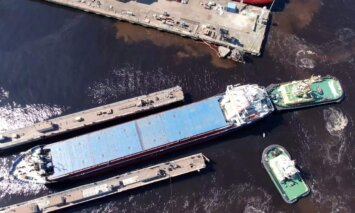
Every ship depends on a range of equipment that keeps everyday operations running safely and smoothly. Shipboard equipment maintenance is really important because it prevents breakdowns and extends th...
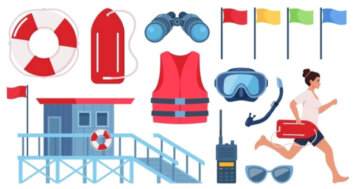
If you work on a ship or plan to, knowing basic first aid can make a big difference in emergencies. At sea, help isn’t always nearby. Your quick response can save lives, lessen injuries, or keep thing...
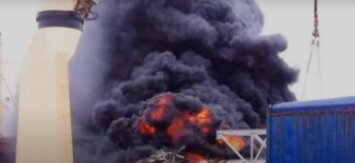
Fire safety on board isn’t something I ever take lightly. Whether I’m docking for the night, setting off on a long trip, or just spending an afternoon out on the water, fire is a real risk that can qu...
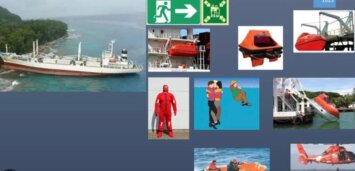
Personal survival techniques on the open water really matter, no matter if I’m out for a quick trip or on a big adventure. I know that calm days can turn rough, and being ready helps me handle s...
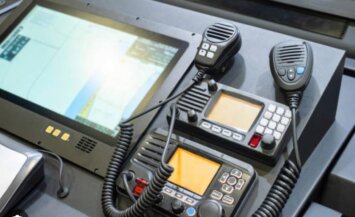
Shipboard communication makes life safer and smoother for everyone working at sea. When I step onto a ship, knowing how to send and receive information quickly and clearly matters as much as my techni...

Weather Patterns at Sea can make or break any voyage, whether I’m taking a leisurely sail or making a long ocean crossing. Knowing what to expect from the sea and sky helps me plan routes, avoid rough...
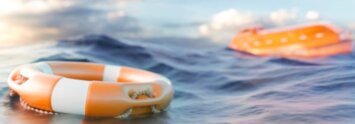
Working at sea brings its own set of risks and responsibilities. Making safety a priority is really important for every seafarer, regardless of experience or role onboard. Over the years, I’ve s...
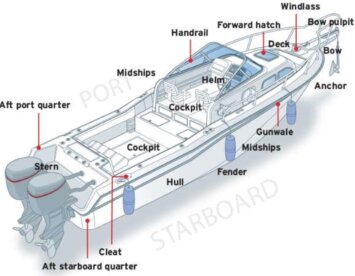
Learning ship terminology is one of the best ways to start if you want to understand how ships work or if you plan to spend time at sea. When I first began exploring nautical vocabulary, many of the w...
Using a compass and charts for navigation might seem complicated at first, but learning these skills opens up a world of freedom and confidence in the outdoors or on the water. Whether I’m hiking in t...